
13
Learn More
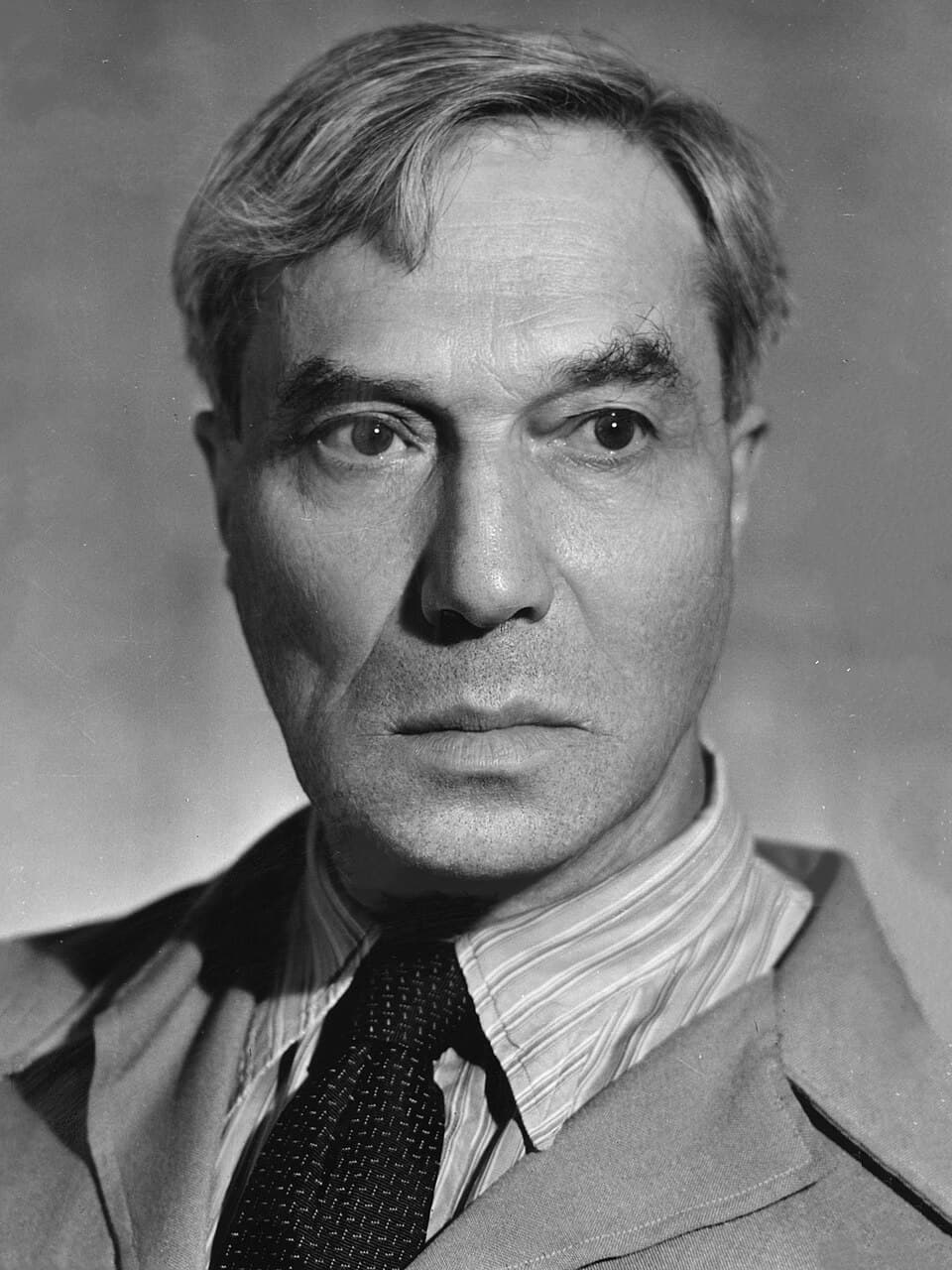
In 1958, the Nobel Prize committee recognized Boris Pasternak for his epic novel chronicling the life of a physician-poet before and after the Russian Revolution. The book, *Doctor Zhivago*, had been completed in 1955 but was refused publication in the Soviet Union. Censors took issue with its focus on individual characters and their spiritual journeys over the progress of society, as well as its critical view of the consequences of the revolution. The manuscript was smuggled to Italy and published in 1957, leading to international acclaim and the prestigious award.
The Soviet government was enraged by the Nobel decision, viewing it as an anti-Soviet provocation during the Cold War. Although Pasternak initially accepted the prize, he became the target of an intense government campaign against him. He was expelled from the Soviet Writers Union and threatened with being denied re-entry into the country he considered his homeland (Review) if he traveled to Sweden for the ceremony.
Facing this immense pressure, Pasternak ultimately sent a second telegram to the Nobel committee, reluctantly declining the honor. The controversy drew even more international attention to *Doctor Zhivago*, which the CIA helped to distribute as a form of cultural propaganda. The novel was not officially published in Russia until 1987, nearly three decades after Pasternak's death. His son finally accepted the Nobel medal on his behalf in 1989.
More Politics Trivia Questions
20
Which European adversaries signed a 1998 treaty to end a long-standing bloody conflict?
18Who were Richard Nixon's two Vice Presidents?
18Which person was the U.S. Ambassador to the United Nations from 1971 to 1973, then later President of the United States?
18BONUS: What particular position did Robert Dole hold longer than anyone else who ever lived?
17In the 1992 Presidential election, what was the name of H. Ross Perot's running mate?
17Which political party were each of these Presidents? a. Abe Lincoln? b. Theodore Roosevelt? c. Herbert Hoover?