
8
Learn More
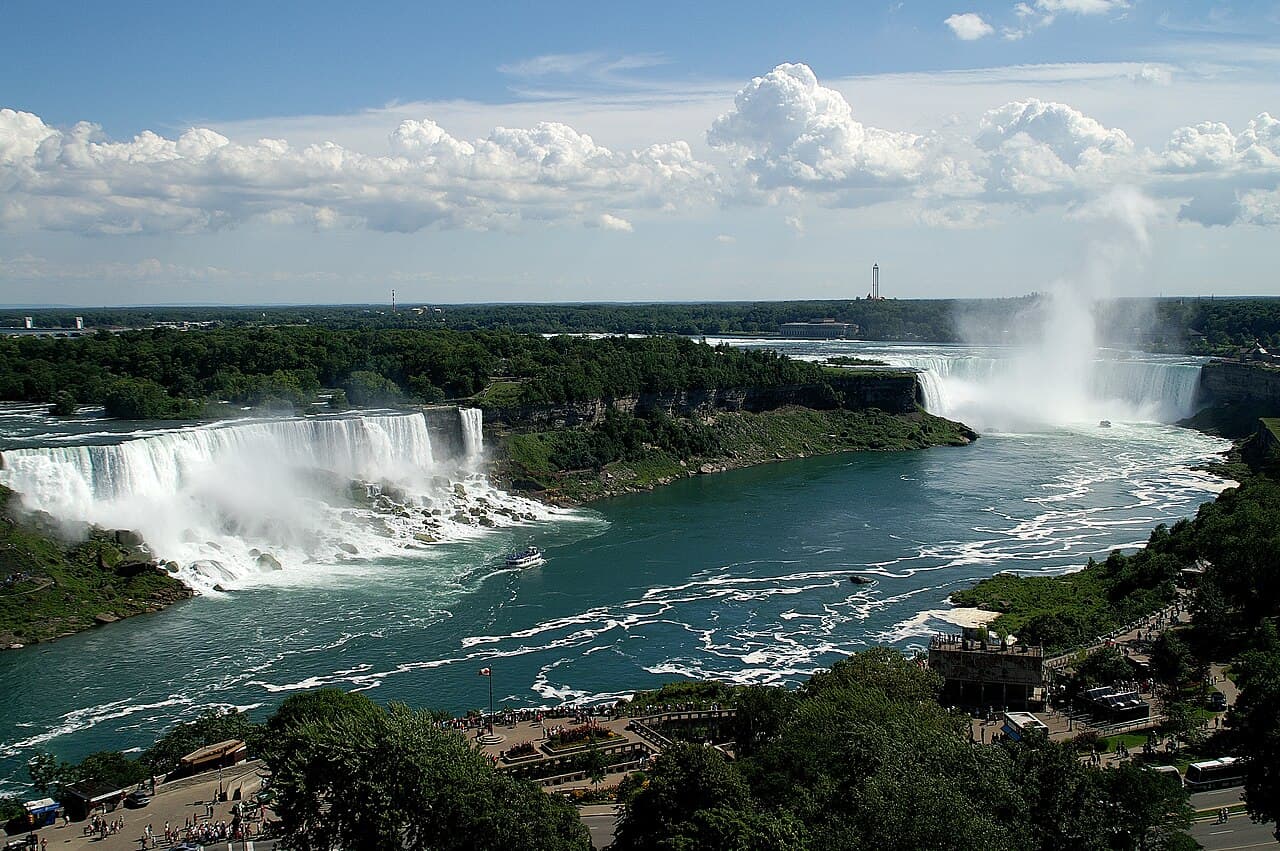
The Great (Review) Lakes form a vast, interconnected freshwater system, with water flowing generally from west to east due to changes in elevation. Water from the upper lakes—Superior, Michigan, and Huron—all drains into the fourth lake in the chain. This body of water acts as the upper basin for the Niagara River. As the river flows north, it encounters the Niagara Escarpment, a massive cliff that separates this lake's higher elevation from the much lower basin of Lake Ontario. It is this dramatic descent that creates the world-famous Niagara Falls.
The lake positioned directly above this massive drop is therefore the one that feeds it. While it is the fourth-largest of the Great Lakes by surface area, it is the shallowest and holds the smallest volume of water. Despite this, all of its outflow, carrying the water (Review) from three other lakes with it, is channeled into the short but powerful Niagara River. An incredible volume of water thunders over the falls every minute, making it not only a natural wonder but also a massive source of hydroelectric power for both the U.S. and Canada. After its plunge, the water continues into Lake Ontario and eventually out the St. Lawrence River to the Atlantic Ocean.
More Geography Trivia Questions
28
What river runs through Cairo, Egypt?
21In which city can you find the point where Germany, France, and Switzerland all meet?
21What country lies directly north of Vietnam?
21I'll give you the old name for a place, you give the new name. a. Rhodesia? b. Cathay? c. Abyssinia?
20Which town in Marin county is named after an Italian phrase meaning ''beautiful view"?
20Which of these three cities is located closest to New York? Moscow, Buenos Aires, or Honolulu?