
37
Learn More
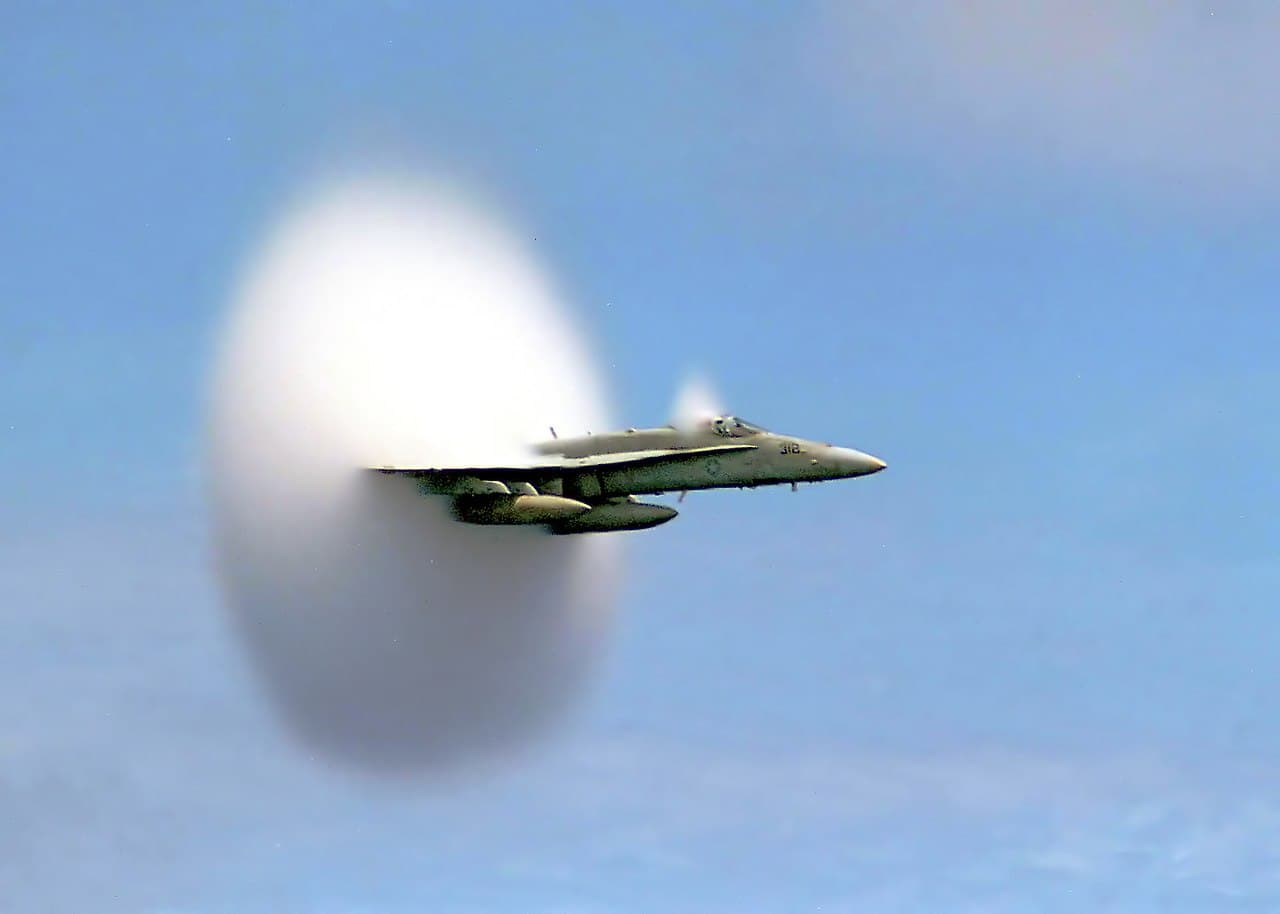
The way sound propagates through different environments reveals fascinating properties of physics. For instance, the speed at which sound waves journey through the ocean is significantly greater than their terrestrial counterpart, clocking in at approximately 1,500 meters per second, compared to about 343 meters per second in air. This dramatic difference is rooted in the physical properties of the mediums themselves. Sound waves are essentially vibrations, and their speed depends on how quickly these vibrations can be transmitted from one particle to the next. Water, being far denser and less compressible than air, has molecules packed much closer together. This proximity allows the energy of a sound wave to transfer more efficiently and rapidly between molecules, accelerating its journey.
The understanding of this phenomenon has profound implications. Marine animals like whales and dolphins exploit this property, using sound to communicate and navigate across immense underwater distances, sometimes hundreds of kilometers. Humans have also harnessed this principle. The first successful measurements of the speed of sound in water were made in 1826 by Swiss physicist Jean-Daniel Colladon and French mathematician Charles-François Sturm on Lake Geneva. They used a submerged bell and measured the time it took for the sound to travel across the lake.
This early scientific inquiry laid the groundwork for future technological advancements, most notably the development of sonar. Sonar, which stands for Sound Navigation and Ranging, utilizes pulses of sound to detect objects underwater, enabling everything from submarine detection to detailed seafloor mapping. Thus, the ocean's acoustic properties underscore a fundamental aspect of wave mechanics, shaping both natural ecosystems and technological advancements that allow us to explore and understand the hidden depths of our planet.