
47
Learn More
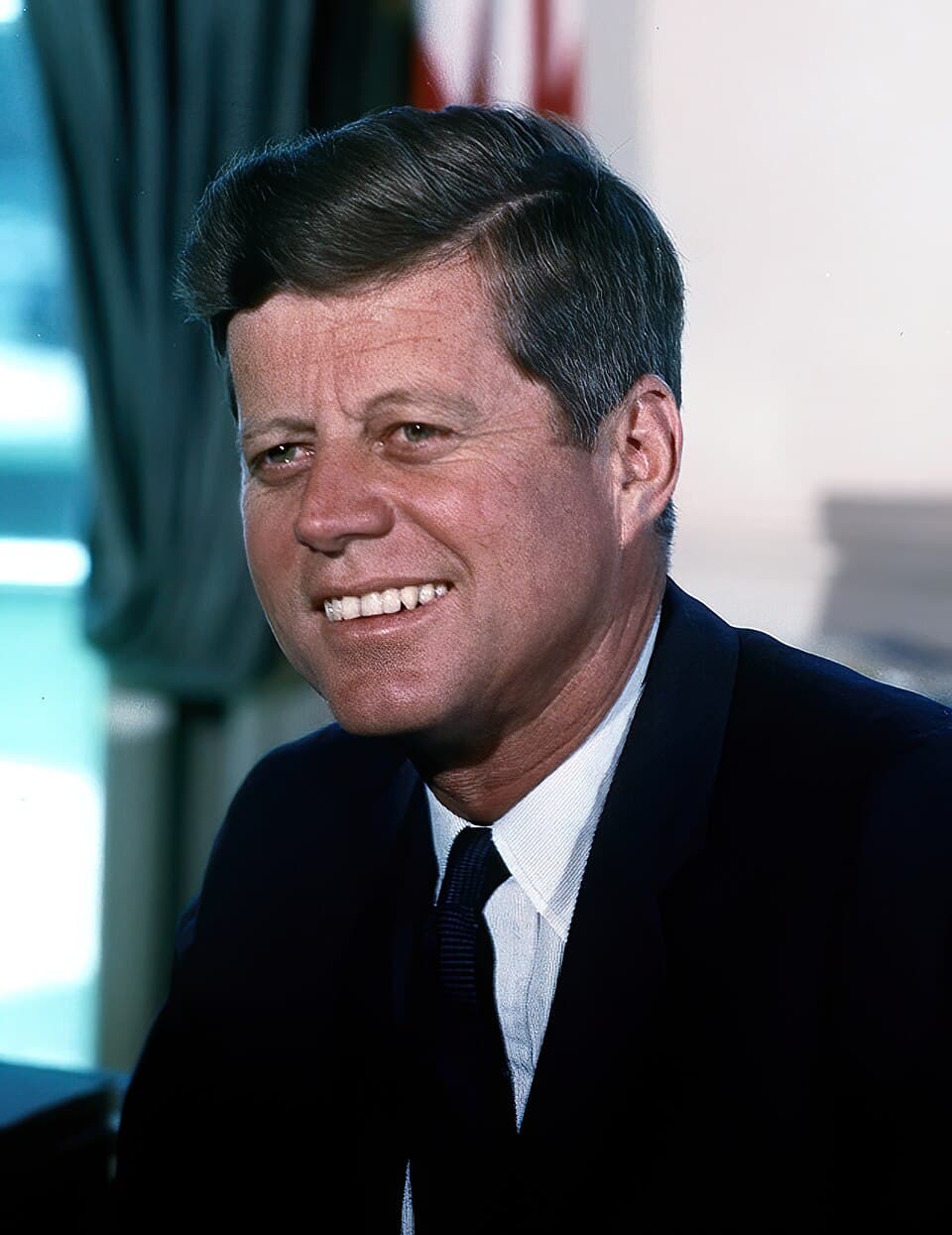
John F. Kennedy, the 35th President of the United States, delivered a profound message about the dangers of uncritical adherence to norms during his address to the United Nations General Assembly on September 25, 1961. Speaking in the midst of the Cold War, a period marked by intense ideological divisions, Kennedy emphasized that "We cannot expect that all nations will adopt like systems—for conformity is the jailer of freedom, and the enemy of growth." This statement underscored his belief that a diversity of approaches and systems among nations was not only inevitable but essential for global progress, directly challenging the notion of a single, universally imposed ideology.
The deeper meaning of Kennedy's words extends far beyond international relations, resonating with individuals and societies alike. It serves as a powerful reminder that surrendering to prevailing opinions or trends without critical thought can imprison one's spirit and halt personal evolution. When people prioritize fitting in over authentic expression and independent thinking, they sacrifice the very freedom that allows for innovation, creativity, and genuine self-discovery. This intellectual stagnation, whether on a personal or collective level, ultimately impedes any meaningful advancement.
Historically, this principle has been demonstrated repeatedly. Social progress, scientific breakthroughs, and artistic movements have often sprung from individuals or groups who dared to challenge the status quo rather than conform to existing paradigms. From civil rights activists who defied discriminatory laws to scientists whose theories upended long-held beliefs, those who resisted the "jailer of freedom" paved the way for growth. In our modern world, the quote encourages us to question, innovate, and embrace individuality, recognizing that true progress stems from the courage to think differently and forge new paths, rather than simply following the crowd.
Related Quotes
84
83
82
80
78
78