
19
Learn More
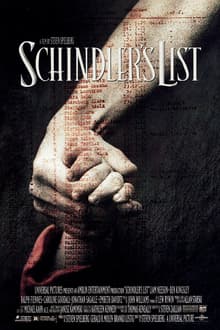
Steven Spielberg's impactful 1993 historical drama, Schindler's List, marked a pivotal moment in his illustrious career, earning him his very first Academy Award for Best Director. This powerful black-and-white film, which vividly portrays the true story of Oskar Schindler's efforts to save over a thousand Jews during the Holocaust, resonated deeply with audiences and critics alike, securing its place as a cinematic masterpiece. The film's critical acclaim was immense, and it went on to win a total of seven Oscars, including Best Picture.
Prior to Schindler's List, Spielberg had directed numerous iconic and commercially successful films, such as Jaws, E.T. the Extra-Terrestrial, and Raiders of the Lost Ark. While these films showcased his remarkable storytelling abilities and technical prowess, the Academy had consistently overlooked him for the Best Director award. Schindler's List, however, presented a stark departure from his more fantastical or adventure-driven works, demonstrating a profound depth and maturity in his filmmaking.
The arduous production of Schindler's List, shot on location in Kraków, Poland, over 72 days in 1993, was a deeply personal and challenging endeavor for Spielberg. He famously refused a salary for the film, considering it "blood money," and instead used the earnings to establish the USC Shoah Foundation, an organization dedicated to recording and preserving the testimonies of Holocaust survivors. The film's unflinching portrayal of historical atrocities and its message of humanity and resilience cemented its legacy, not just as a great film, but as a vital educational tool. It remains a testament to Spielberg's artistic evolution and his commitment to using cinema for profound storytelling.