
11
Learn More
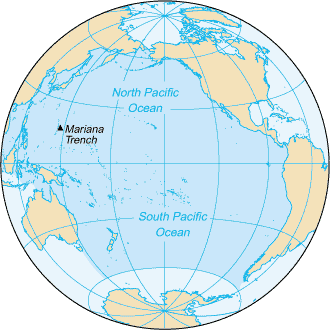
It is a widespread belief that the Pacific Ocean earned its name because it is inherently a calm and tranquil body of water. This idea stems naturally from the word "pacific" itself, which means peaceful or placid, suggesting that the vast expanse of water lives up to its serene designation. Given the sheer size of the Pacific, it seems plausible that such a grand feature would be named for a dominant characteristic, leading many to assume a perpetual state of calm.
However, the true origin of the name is rooted in a specific historical moment rather than a general observation of the ocean's nature. In 1520, Portuguese explorer Ferdinand Magellan, leading a Spanish expedition, became the first European to navigate through the treacherous, stormy passage at the southern tip of South America, now known as the Strait of Magellan. After enduring these perilous conditions, his fleet emerged into a strikingly calm and favorable sea. Grateful for the respite, he christened this new body of water "Mar Pacífico," meaning "peaceful sea" in both Portuguese and Spanish, a stark contrast to the turbulent waters he had just left behind.
The name has persisted through centuries, contributing to the common misconception that the Pacific is always peaceful. While Magellan's experience was genuinely one of calm after a storm, the Pacific Ocean, being the largest and deepest ocean on Earth, is far from uniformly tranquil. It is home to powerful storms, tsunamis, and significant seismic activity, particularly along its "Ring of Fire" boundaries. Yet, the historical account of its naming, tied to a moment of relief and smooth sailing for one of history's most famous explorers, firmly confirms the verdict of its peaceful origin.
Related Myths
81
81
80
79
79
77