
14
Learn More
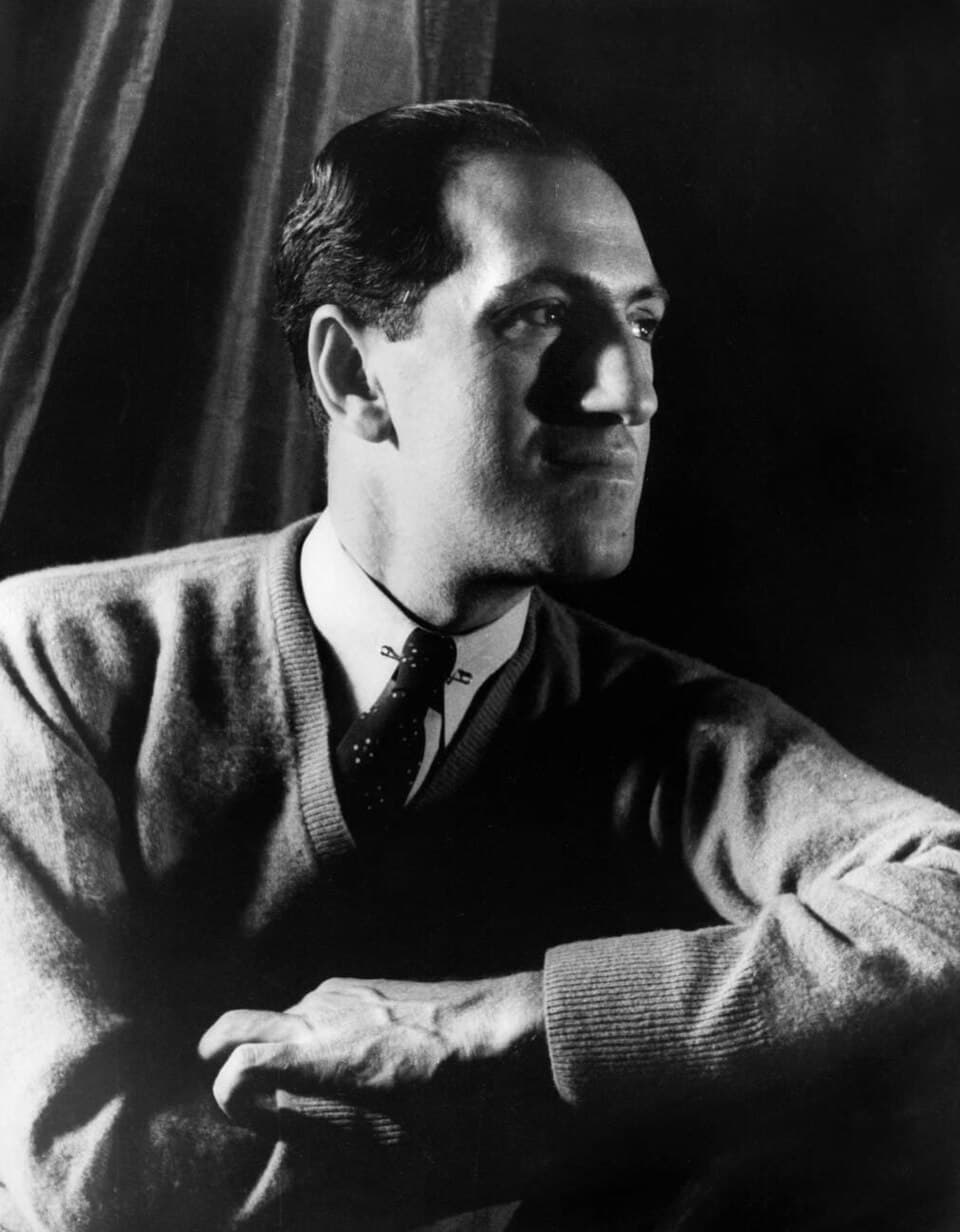
The American composer's life was cut tragically short when he died on July 11, 1937, just two months shy of his 39th birthday. For several months, George Gershwin had been suffering from severe headaches, mood swings, and even hallucinations of smelling burnt rubber. Doctors initially could not find a physical cause for his symptoms. It wasn't until he collapsed and fell into a coma that he was diagnosed with a malignant brain tumor. Despite emergency surgery, he passed away at the age of 38.
Gershwin's untimely death came when he was at the very height of his fame and creative powers. He had successfully bridged the worlds of popular and classical music, creating a uniquely American sound. His 1924 piece, *Rhapsody in Blue*, became an iconic work of the Jazz Age, blending jazz-influenced effects with classical forms. This was followed by other celebrated orchestral works like *An American in Paris* and his ambitious folk opera *Porgy and Bess*, which featured the classic song "Summertime".
Initially a commercial failure, *Porgy and Bess* is now considered one of the most important American operas ever written. Gershwin was working on a film score in Hollywood at the time of his death, leaving behind a remarkable legacy that has continued to influence musicians and delight audiences worldwide. His passing was a sudden and shocking blow to the music world, which could only wonder what other masterpieces he might have composed had he lived longer.
More People Trivia Questions
20
After the San Francisco earthquake and fire of 1906, architect Julia Morgan was called upon to rebuild the interior of which San Francisco hotel?
20This African-American botanist and agricultural chemist developed hundreds of uses for peanuts, soybeans, and sweet potatoes. Who was he?
20Can you name the two sisters who have newspaper columns in hundreds of newspapers throughout the English speaking world?
20Can you name two famous billionaires who died in the year 1976?
20What are the first names of thumbs-up movie critics Siskel and Ebert?
20Which athlete, in 1992, said the following: "I am angry that I was put in the position of having to lie if I wanted to protect my privacy." ?