
13
Learn More
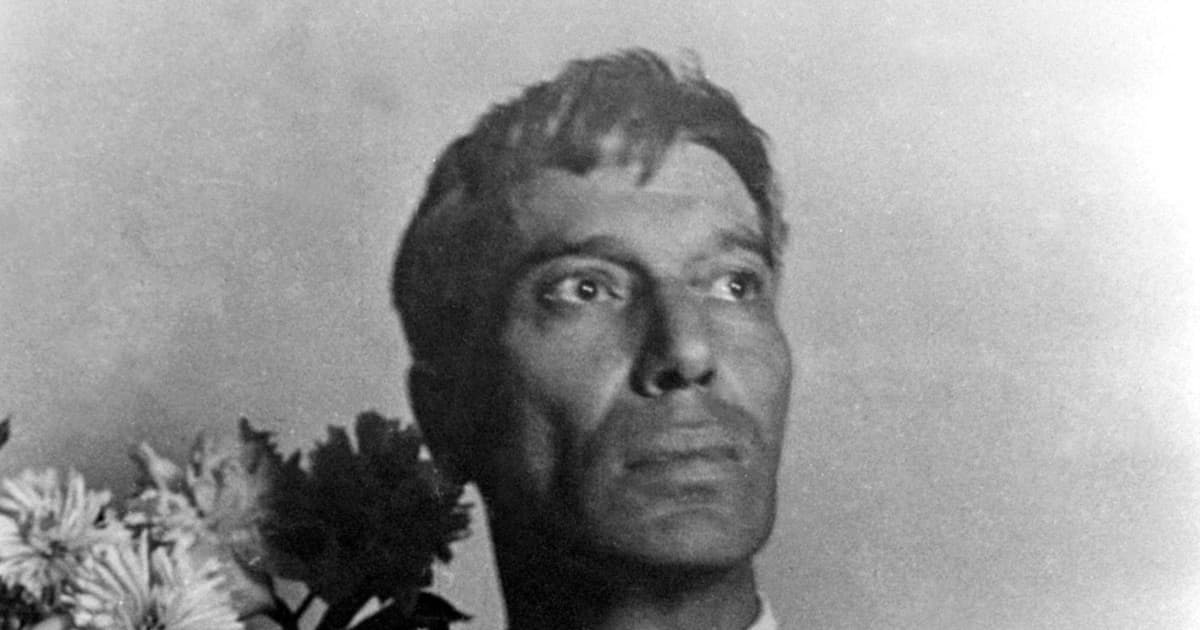
Boris Pasternak was awarded the Nobel Prize in Literature in 1958 specifically for his novel, "Doctor Zhivago". This sweeping historical novel, set against the tumultuous backdrop of the Russian Revolution of 1905 and the subsequent Russian Civil War, tells the poignant story of Yuri Zhivago, a physician and poet, and his experiences of love and loss amidst immense societal upheaval. The Swedish Academy cited Pasternak's "important achievement both in contemporary lyrical poetry and in the field of the great (Review) Russian epic tradition" when presenting the award, with the latter clause directly referring to "Doctor Zhivago".
The novel itself had a dramatic path to publication. Completed in 1955, "Doctor Zhivago" was initially rejected by Soviet publishers due to its perceived anti-communist sentiments and subtle criticisms of the Soviet regime, including Stalinism and collectivization. Undeterred, Pasternak arranged for the manuscript to be smuggled out of the Soviet Union, and it was first published in Italian in 1957. This international publication, aided in part by the CIA who saw it as a tool to undermine the Soviet Union, brought Pasternak global acclaim but infuriated Soviet authorities.
When the Nobel Prize was announced, Pasternak initially accepted, sending a telegram expressing his gratitude and pride. However, the Soviet government swiftly launched a campaign of intimidation against him. He was expelled from the Soviet Writers Union, his work was publicly denounced as "malicious libel," and he faced threats of exile. Under immense pressure, particularly concerning the safety of his loved ones, Pasternak was forced to decline the honor, sending a second telegram retracting his acceptance. Despite his refusal, the controversy surrounding "Doctor Zhivago" only magnified its worldwide recognition, cementing its place as a significant work that highlighted the struggle for artistic freedom against oppressive political regimes.
More Politics Trivia Questions
20
Which European adversaries signed a 1998 treaty to end a long-standing bloody conflict?
18Who were Richard Nixon's two Vice Presidents?
18Which person was the U.S. Ambassador to the United Nations from 1971 to 1973, then later President of the United States?
18BONUS: What particular position did Robert Dole hold longer than anyone else who ever lived?
17In the 1992 Presidential election, what was the name of H. Ross Perot's running mate?
17Which political party were each of these Presidents? a. Abe Lincoln? b. Theodore Roosevelt? c. Herbert Hoover?