
8
Learn More
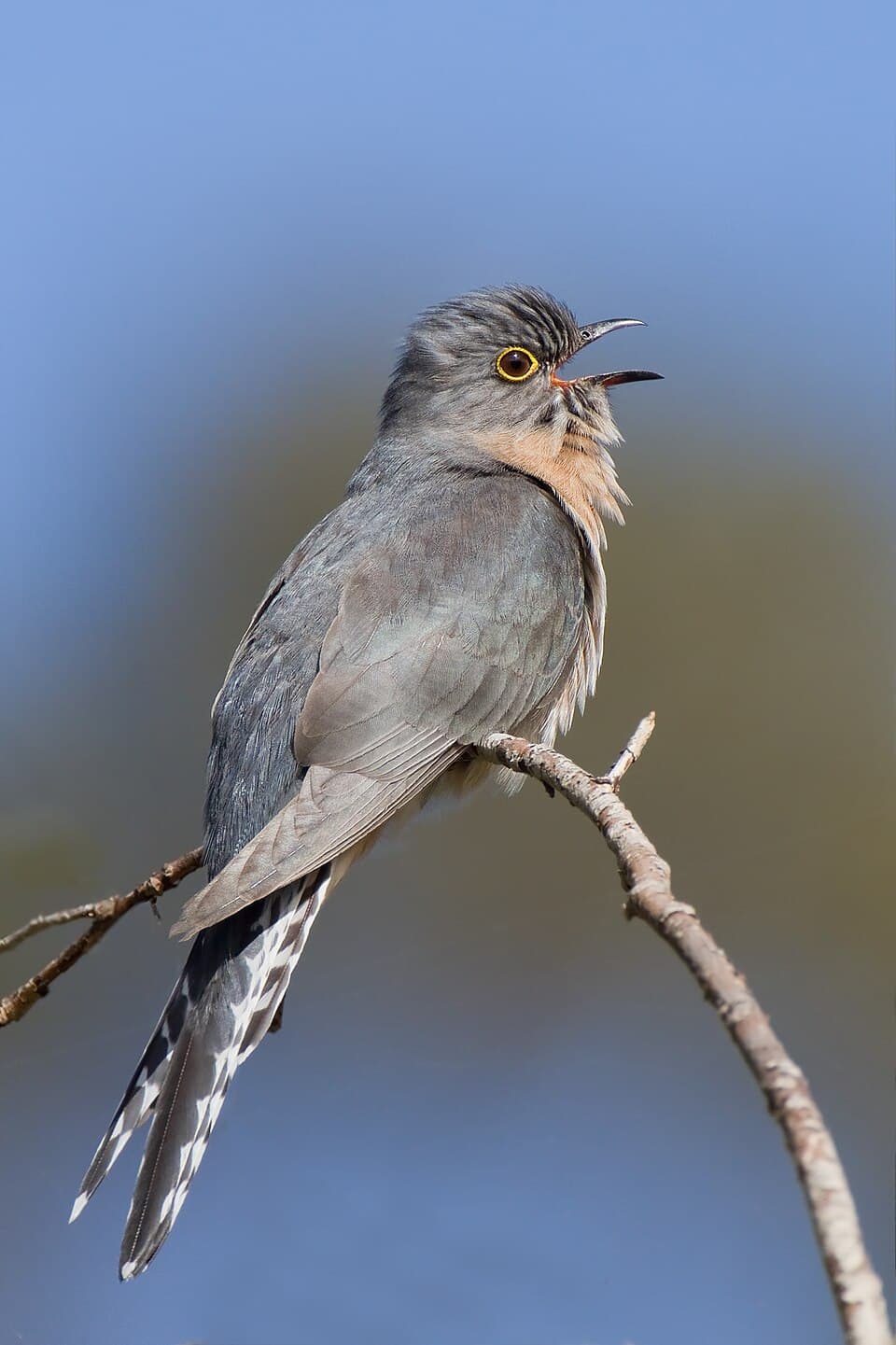
That iconic two-note call, famously replicated in clocks, gives this bird its name. The sound is a clear giveaway, but the bird's most fascinating trait is its unusual parenting strategy, or rather, its lack thereof. This bird is the world's most well-known "brood parasite (Review)," a term for animals that trick others into raising their young. Instead of building her own nest, a female will find the nest of another, often smaller, bird species and stealthily lay one of her eggs inside it.
The unsuspecting host bird, such as a reed warbler or meadow pipit, then incubates the foreign egg along with its own clutch. The cuckoo egg is adapted to hatch quickly, and the newborn chick has a ruthless instinct. Shortly after hatching, it will maneuver to push the host's own eggs or young out of the nest, eliminating all competition for food.
The foster parents, driven by instinct, work tirelessly to feed the single, rapidly growing chick, which soon dwarfs them in size. This clever and somewhat sinister survival strategy ensures the cuckoo's offspring gets a dedicated, private food supply without the parent bird needing to invest any energy in raising it. While this behavior is what they are most famous for, not all species in this bird's family are brood parasites; many build nests and raise their own young.
More Animals Trivia Questions
20
How is it possible to determine the sex of a parakeet?
19These animals reach lengths of up to 7 feet, have about 100 teeth, emit sounds when moving to help them navigate, and reach travelling speeds of about 35 miles per hour. What kind of animals are they?
19What are two common names for jumping, tailless amphibia?
19What's the difference between a turtle and a tortoise?
19The largest type of living bird can be 9 feet in height and weigh 350 lbs (160 kgs). What kind of bird is it?
18According to the principle of German biologist Karl Bergmann, warm-blooded animals living in cold climates tend to be ... bigger? or smaller?... than animals of the same species living in warm climates.