
6
Learn More
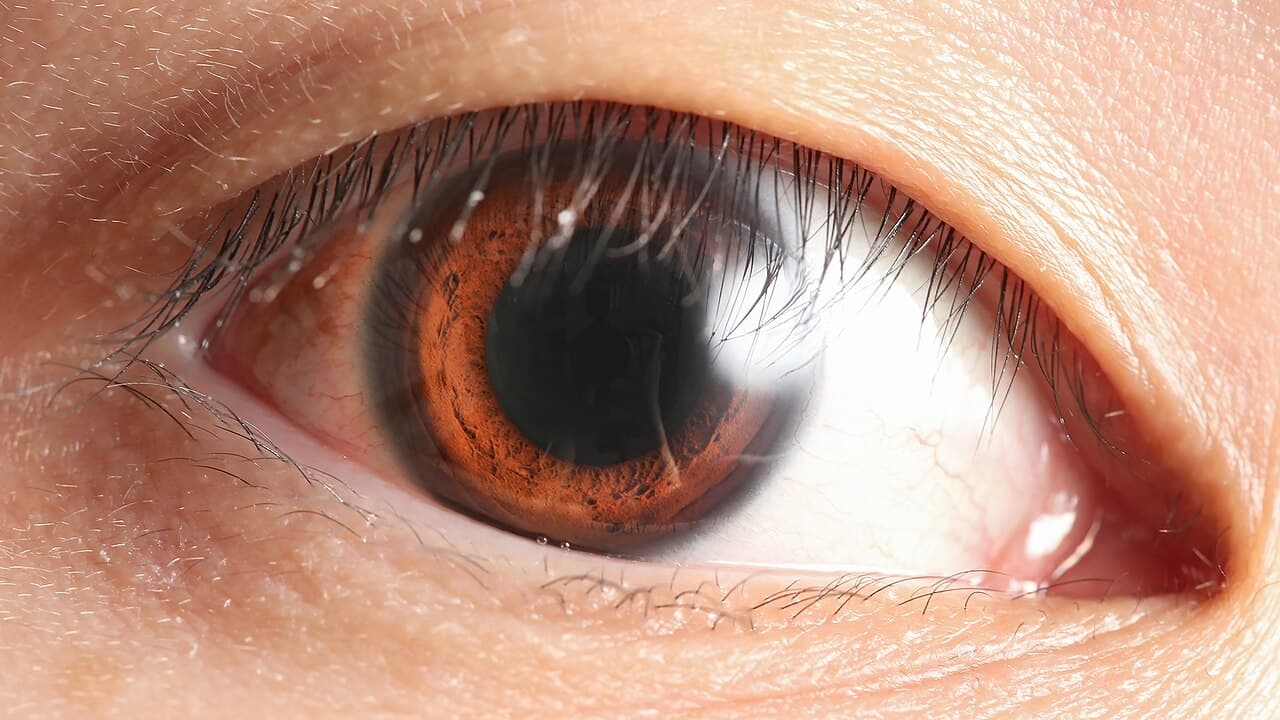
The small, dark circle at the very center of your eye serves a crucial purpose in vision. It is not a physical structure itself, but rather an aperture, or an opening, through which light travels into the eye. This light then continues its journey to the retina at the back of the eye, where it is converted into electrical signals that the brain interprets as images.
The size of this opening is dynamically controlled by the surrounding iris, the colored part of your eye. In bright conditions, the iris constricts, making the opening smaller to limit the amount of light entering and prevent overstimulation of the retina. Conversely, in dim environments, the iris dilates, expanding the opening to allow more light in, thereby enhancing your ability to see in low light. This involuntary reflex helps regulate the clarity and intensity of the visual information your brain receives, much like the aperture of a camera.
Beyond light regulation, the size of this central opening can also be influenced by factors like emotional state, certain medications, and even cognitive effort. Interestingly, its name derives from the Latin word "pupilla," meaning "little doll." This unusual etymology comes from the tiny, inverted image of oneself that can be observed when looking closely into another person's eye, a fascinating reminder of the intricate optics at play within our vision system.
More Science Trivia Questions
70
What famous catalog of deep-sky objects, compiled by a French astronomer in the 1700s, contains 110 entries?
69What type of coral does not rely on photosynthetic algae and must be fed directly?
61What is the approximate diameter of the largest known star, UY Scuti, compared to our Sun?
59What phenomenon causes stars to appear to twinkle when viewed from Earth's surface?
56What type of filtration uses live rock and sand beds to naturally process waste in a marine aquarium?
53What is the nitrogen cycle process called that must occur before adding fish to a new saltwater tank?