
4
Learn More
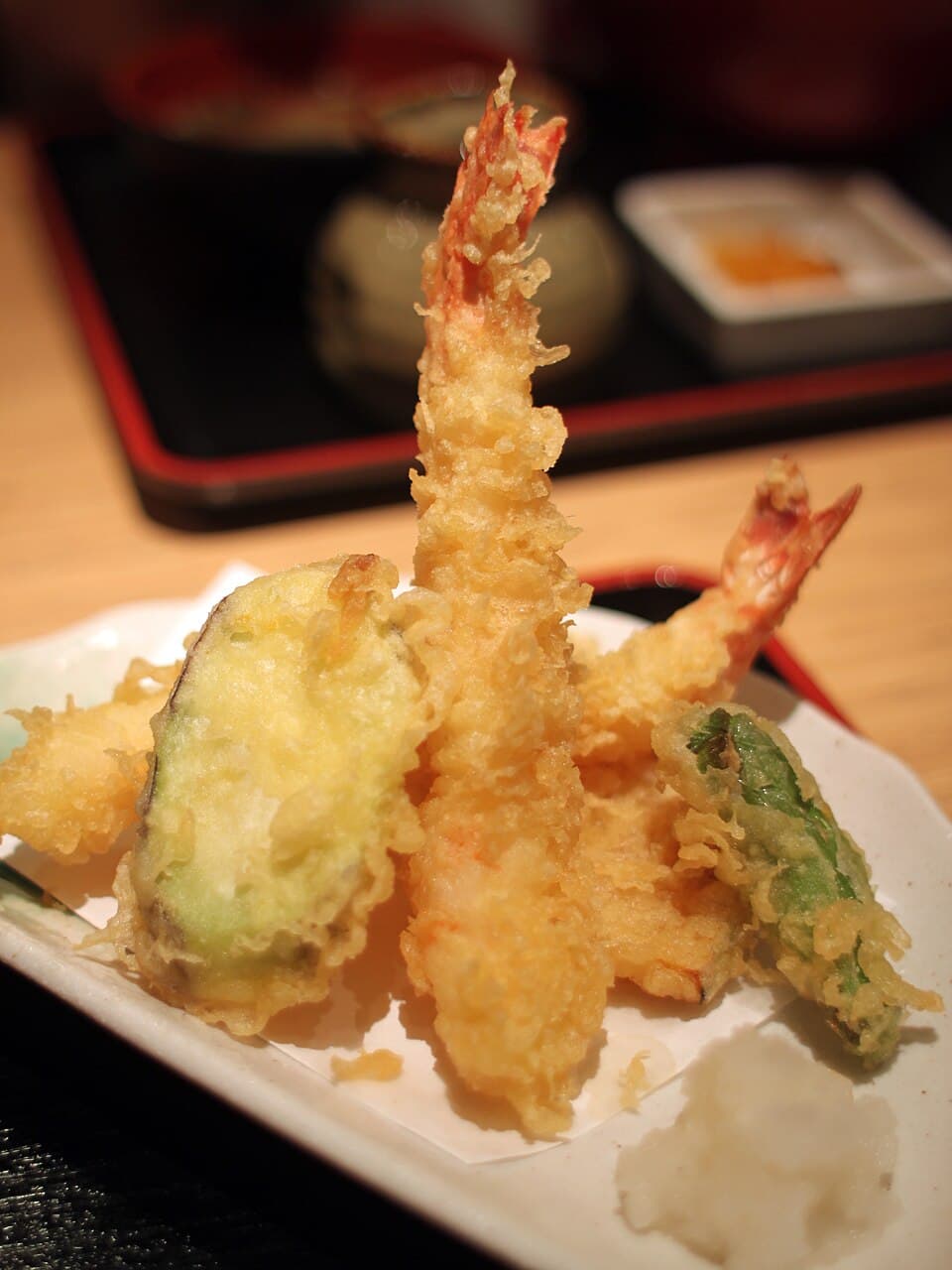
This popular Japanese culinary style involves coating various ingredients in a uniquely light and airy batter before deep-frying them to a perfect crisp. Common items include shrimp, fish, sweet potatoes, eggplant, and lotus root. Unlike heavier fried foods, the goal is to create a delicate, lacy crust that highlights the fresh flavor of the ingredient inside. The finished pieces are typically served hot with a dipping sauce called tentsuyu, often garnished with grated daikon radish to cut through the richness.
Interestingly, this cooking method isn't entirely native to Japan. It was introduced in the 16th century by Portuguese missionaries and traders living in Nagasaki. The technique was adapted from a Portuguese dish of batter-fried green beans. The name itself is believed to derive from the Latin "ad tempora Cuaresmae," referring to the Lenten season when Catholics would abstain from meat and eat fried fish and vegetables instead. Over centuries, the Japanese refined the technique, creating the lighter, more delicate version known and loved worldwide today.
More General Trivia Questions
20
Which beverage was named after its resemblance to the dark brown clothing warn by 16th century Italian monks?
19In the ancient Mediterranean world there was no soap. An item normally found in the kitchen was also used for washing the body. What was it?
18What kind of baked pudding containing apples, raisins, and spices is named for a dark woman?
18What do we call the food item consisting of toast, ham, poached eggs, and hollandaise sauce?
18Churchills, Coronas, Lonsdales, and Torpedos are examples of what consumable products?
18Which vegetable grows best in Idaho, Washington, Maine, and Wisconsin?