
1
Learn More
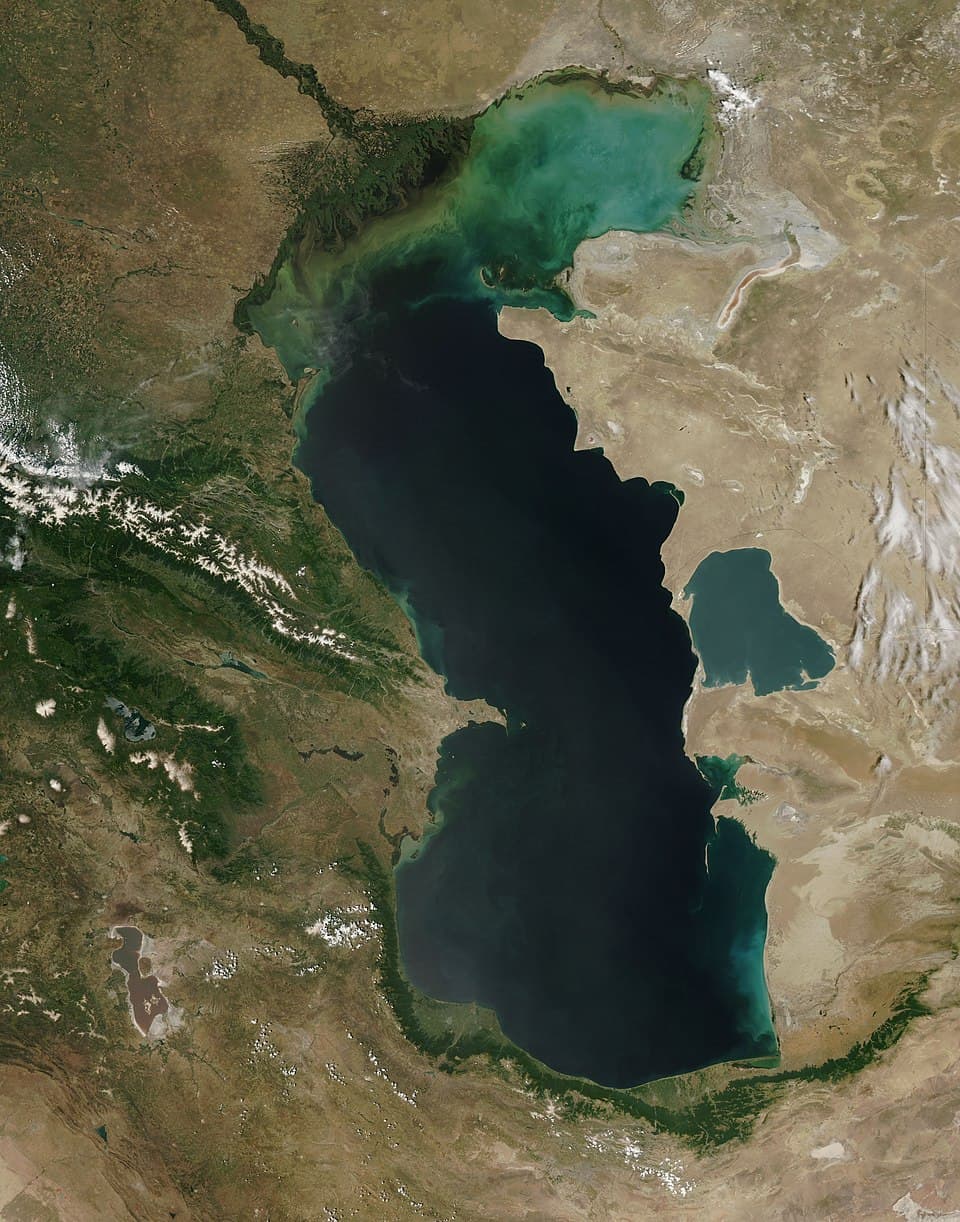
This body of water is a true geographical marvel, holding the title of the world's largest inland sea with a surface area of roughly 371,000 square kilometers. Situated between Europe and Asia, it is bordered by five countries: Russia, Kazakhstan, Turkmenistan, Iran, and Azerbaijan. Its immense size is not its only unique feature; it is an endorheic basin, meaning it has no outflow to the world's oceans. The primary source of water is the Volga River, which provides about 80% of its inflow.
The classification of this body of water is a point of interest, as it shares characteristics of both a sea and a lake. Geologically, it is often considered the world's largest lake, as it is a landlocked body of water. However, its history is intertwined with the ancient Paratethys Sea, a prehistoric sea that became landlocked due to tectonic shifts over 5 million years ago. This connection to an ancient ocean contributes to its salinity, which is about one-third that of average seawater.
The salinity levels vary throughout, being freshest near the Volga delta in the north and increasing towards the south. This unique environment supports a diverse range of wildlife and is particularly famous for its sturgeon population, the source of beluga caviar. The region is also rich in natural resources, with significant oil and natural gas reserves located beneath its floor. The name "Caspian" is derived from the ancient Caspi people who once inhabited the area to its west.
More Geography Trivia Questions
28
What river runs through Cairo, Egypt?
21In which city can you find the point where Germany, France, and Switzerland all meet?
21I'll give you the old name for a place, you give the new name. a. Rhodesia? b. Cathay? c. Abyssinia?
21What country lies directly north of Vietnam?
20Which town in Marin county is named after an Italian phrase meaning ''beautiful view"?
20Which plant, common around Christmas time, contains poisonous berries which can cause acute stomach irritation if eaten?