
10
Learn More
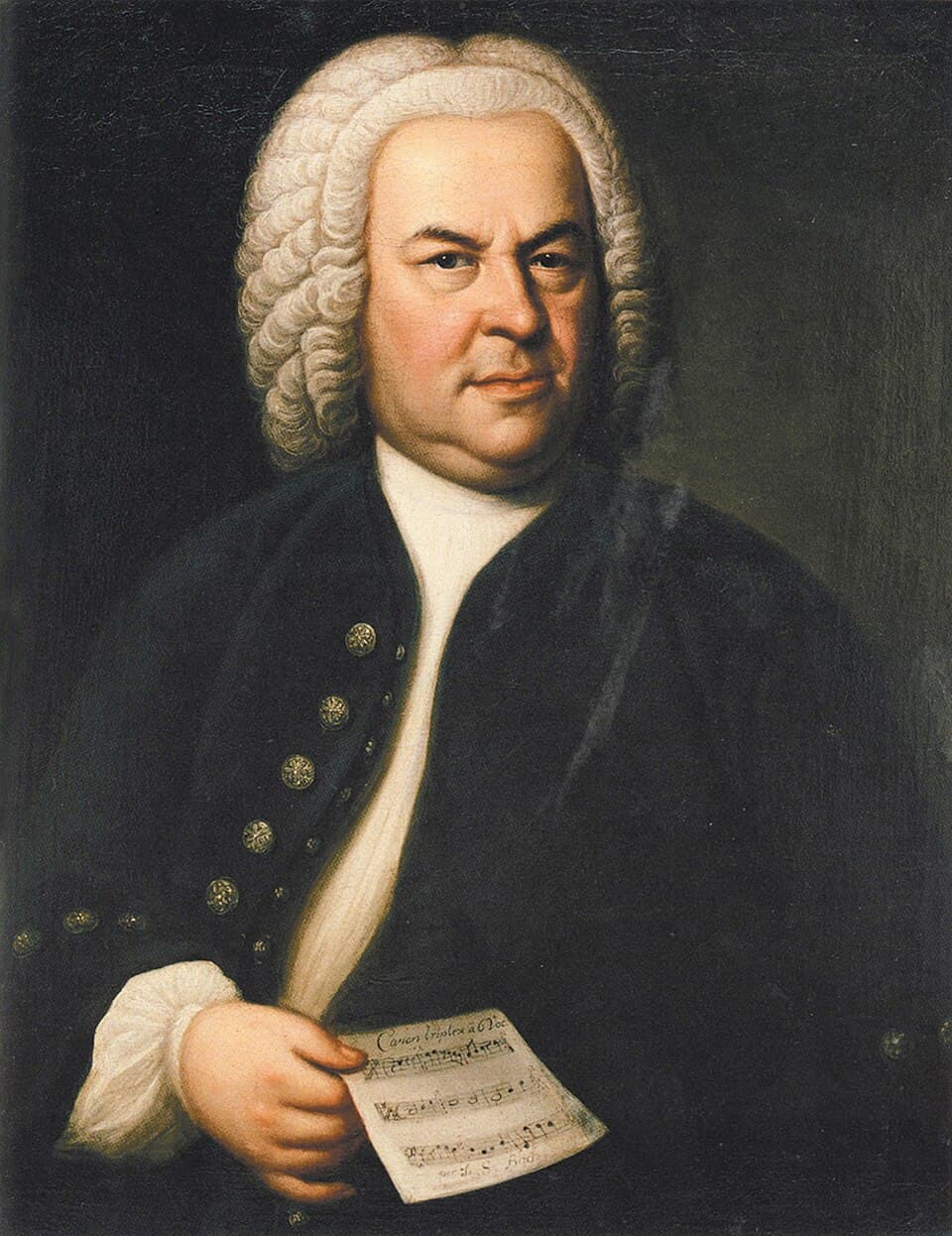
While the Baroque era produced many fine organists, one German master’s name is virtually synonymous with the "king of instruments." His reputation stems from a combination of his legendary skill as a virtuoso performer and his genius as a composer. He possessed an unparalleled command of counterpoint and was a brilliant improviser, creating complex, multi-layered musical textures. His innovative use of the pedalboard, playing intricate lines with his feet, set a new standard for organ technique that was unheard of at the time.
Throughout his career, particularly during his time as a court and church organist in cities like Weimar and Leipzig, he composed a vast and essential body of work for the instrument. His compositions range from the famously dramatic Toccata and Fugue in D minor to hundreds of intricate chorale preludes and monumental fugues. He explored every facet of the organ’s capabilities, treating it not just as an accompaniment for church services, but as a powerful solo instrument capable of immense emotional and intellectual depth.
This legacy endures today. His organ works are considered the absolute foundation (Review) of the instrument's repertoire, serving as both the ultimate test for performers and the pinnacle of artistic expression in the genre. For this reason, he is universally regarded as the greatest and most influential composer for the organ in history.
More People Trivia Questions
20
After the San Francisco earthquake and fire of 1906, architect Julia Morgan was called upon to rebuild the interior of which San Francisco hotel?
20This African-American botanist and agricultural chemist developed hundreds of uses for peanuts, soybeans, and sweet potatoes. Who was he?
20Can you name the two sisters who have newspaper columns in hundreds of newspapers throughout the English speaking world?
20Can you name two famous billionaires who died in the year 1976?
20What are the first names of thumbs-up movie critics Siskel and Ebert?
20Which athlete, in 1992, said the following: "I am angry that I was put in the position of having to lie if I wanted to protect my privacy." ?