
52
Learn More
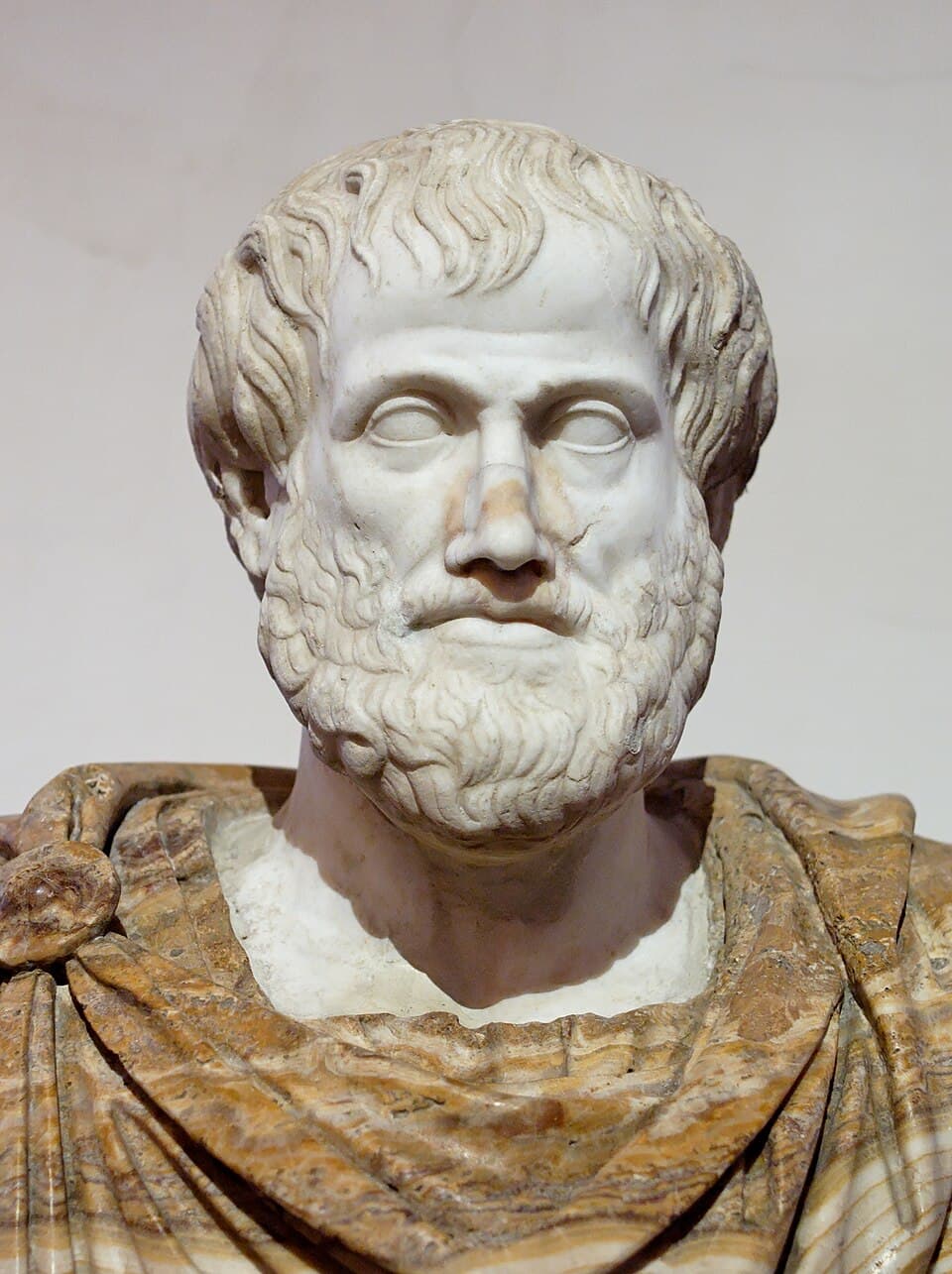
This insightful observation comes from Aristotle, the renowned ancient Greek philosopher who tutored Alexander the Great, shaping the mind of one of history's most influential leaders. During a period when he extensively explored ethics, politics, and the ideal structure of society, Aristotle articulated principles essential for effective governance and personal virtue. This particular statement likely emerged from his discussions on the qualities necessary for good citizenship and leadership, emphasizing that true command stems from a foundational understanding of different roles within a hierarchy.
The profound meaning behind this wisdom suggests that a leader who has never experienced being led will lack crucial empathy and practical insight. Learning to follow instills discipline, humility, and an intimate understanding of the challenges and perspectives of those in subordinate positions. This firsthand experience allows a commander to issue orders that are not only strategically sound but also realistic and considerate, fostering respect and cooperation rather than mere compliance. It highlights that effective leadership is not solely about authority, but also about a deep comprehension of the human element involved in execution.
This principle resonates powerfully across various real-world scenarios, from military structures to corporate environments and political arenas. Historically, many successful military leaders rose through the ranks, having served as soldiers before becoming generals, thus understanding the daily realities of their troops. In the business world, executives who began in entry-level roles often make more informed and empathetic decisions because they understand operational intricacies and employee experiences. The underlying message is that genuine leadership is cultivated through a comprehensive journey, where the capacity to guide others is deeply informed by the experience of having been guided.
Related Quotes
83
83
83
82
82
81