58
The way to get things done is not to mind who gets the credit for doing them.
— Benjamin Jowett
 Quote Café
The way to get things done is not to mind who gets the credit for doing them.
— Benjamin Jowett
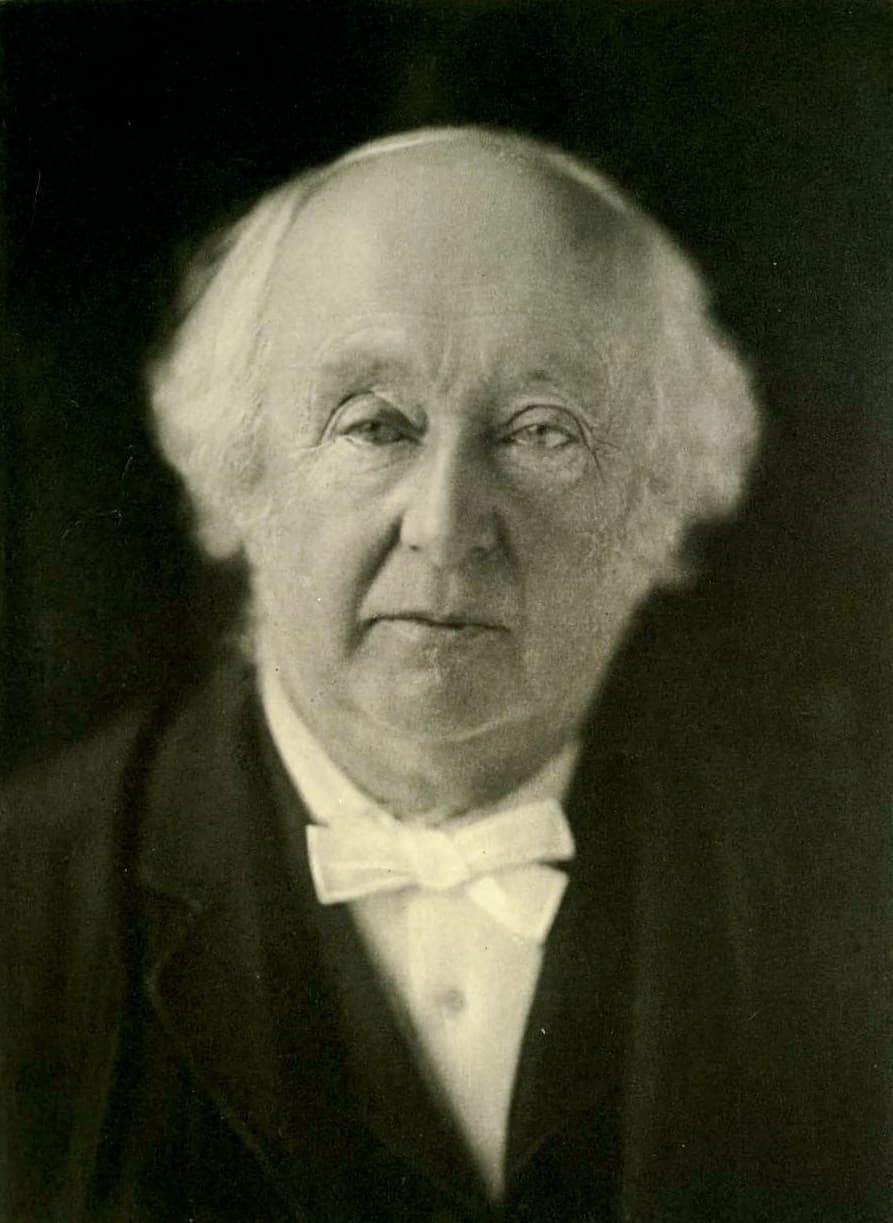
The wisdom that prioritizing achievement over personal recognition is a cornerstone of effective action comes from Benjamin Jowett, a distinguished English classical scholar and theologian of the 19th century. As the influential Master of Balliol College, Oxford, Jowett was renowned for his profound translations of Plato and Thucydides, and for his significant contributions to educational reform. His focus was consistently on practical results and the betterment of the institution and its students, rather than on self-aggrandizement. This perspective likely arose from his extensive experience in academic leadership and administrative reform, where collaborative effort and a shared vision were essential for progress.
The profound meaning of this statement lies in its call for selflessness and a clear focus on the objective at hand. It suggests that true efficacy stems from a willingness to sublimate one's ego for the greater good, understanding that the accomplishment itself holds more value than the individual accolades it might generate. This mindset fosters an environment of trust and cooperation, where individuals are empowered to contribute their best without fear of their efforts being overshadowed or undervalued. It champions a collaborative spirit, recognizing that significant achievements are rarely the product of a single person's effort but rather a synergy of many working towards a common goal.
In real-world applications, this principle is invaluable for leaders across all fields. History is replete with examples where personal ambition has derailed promising endeavors, while humility and a dedication to collective success have led to extraordinary outcomes. Whether in business, politics, or scientific research, leaders who embody this philosophy inspire their teams to prioritize the mission, cultivate a culture of shared responsibility, and ultimately drive innovation and progress. By not "minding who gets the credit," individuals and groups are freed to channel their full energy into problem-solving and creation, demonstrating that genuine impact is often achieved when the spotlight is secondary to the work itself.