
22
Learn More
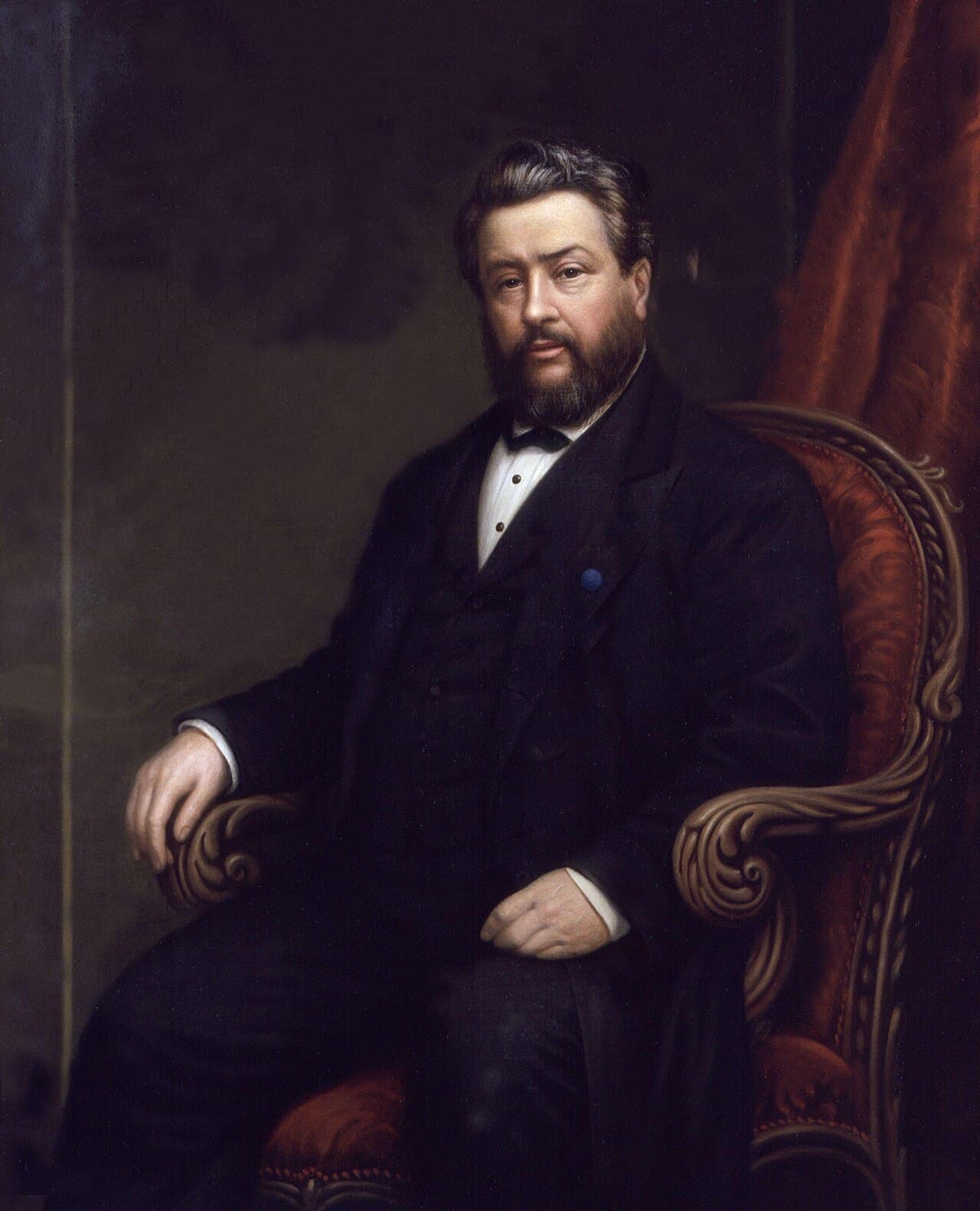
Charles Haddon Spurgeon, a renowned English Baptist preacher of the 19th century, known widely as the "Prince of Preachers," delivered countless sermons and penned numerous works that continue to resonate today. Living from 1834 to 1892, Spurgeon pastored the Metropolitan Tabernacle in London for nearly four decades, drawing thousands with his eloquent and profound messages. His ministry was deeply concerned with the spiritual well-being of individuals, often contrasting fleeting worldly pursuits with lasting divine truth. It was within this context of spiritual wisdom and a keen understanding of human nature that he offered insights into true contentment, frequently warning against the deceptive allure of materialism.
The essence of his observation, that happiness stems from enjoyment rather than mere possession, cuts to the heart of human satisfaction. It suggests that our internal disposition and our capacity for appreciation are far more significant than the quantity of our belongings or achievements. This isn't a dismissal of prosperity, but a reorientation of where we seek joy. A person with little can find profound happiness through gratitude and a positive outlook, while someone with immense wealth might remain unfulfilled if they lack the ability to truly savor what they have. Spurgeon himself taught that if one is not content with their current situation, doubling their possessions would not bring satisfaction.
This timeless wisdom holds immense relevance, echoing through history in various philosophical and spiritual traditions, from ancient Stoicism to modern psychology's emphasis on mindfulness and gratitude. It challenges the common societal narrative that equates success and happiness solely with accumulation. In a world constantly pushing for more, Spurgeon's words remind us that true flourishing is an inside-out endeavor. It’s about cultivating a spirit of enjoyment, finding richness in simple pleasures, and appreciating the blessings already present, rather than perpetually striving for an elusive "more" that often fails to deliver lasting joy.
Related Quotes
84
84
83
82
81
81