46
Character cannot be developed in ease and quiet. Only through experience of trial and suffering can the soul be strengthened.
— Helen Keller
 Quote Café
Character cannot be developed in ease and quiet. Only through experience of trial and suffering can the soul be strengthened.
— Helen Keller
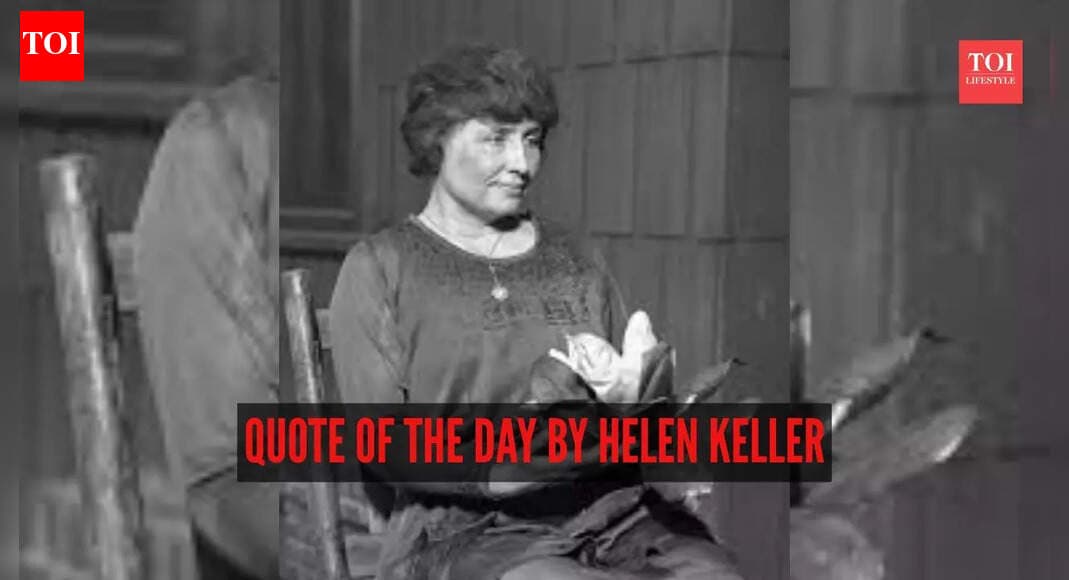
Helen Keller, an extraordinary figure born in 1880, became deaf and blind at 19 months old due to illness, plunging her into a world of silence and darkness. Despite these profound challenges, her life became an inspiring testament to perseverance and human potential. She rose to become a renowned author, activist, and lecturer, tirelessly advocating for the rights of the disabled and for social justice. Her profound words on character emerged not from abstract theory, but from her own lived experience of overcoming immense personal and societal hurdles, including the struggle to communicate and navigate a world not designed for her abilities.
This powerful insight highlights that true character is not forged in comfort or tranquility, for ease seldom pushes us toward genuine growth. Instead, it is through facing trials, enduring suffering, and confronting our struggles that the human spirit matures. Adversity, as Keller understood, serves as a demanding teacher, instilling patience, resilience, and humility, and toughening the soul while making it more compassionate.
The quote’s relevance extends far beyond Keller’s own remarkable journey. It serves as a timeless reminder that difficulties are not merely obstacles, but stepping stones that guide us toward deeper self-understanding and strength. In moments of struggle, our vision can be cleared, leading to mental and emotional clarity about what truly matters, and ambition can be inspired as we discover hidden wells of inner drive. Her life itself, from her academic success at Radcliffe College to her global advocacy, exemplifies how overcoming challenges can strengthen the spirit and ignite purposeful action, urging us to view struggles as catalysts for personal and professional growth.