

How Puns Work in Your Brain
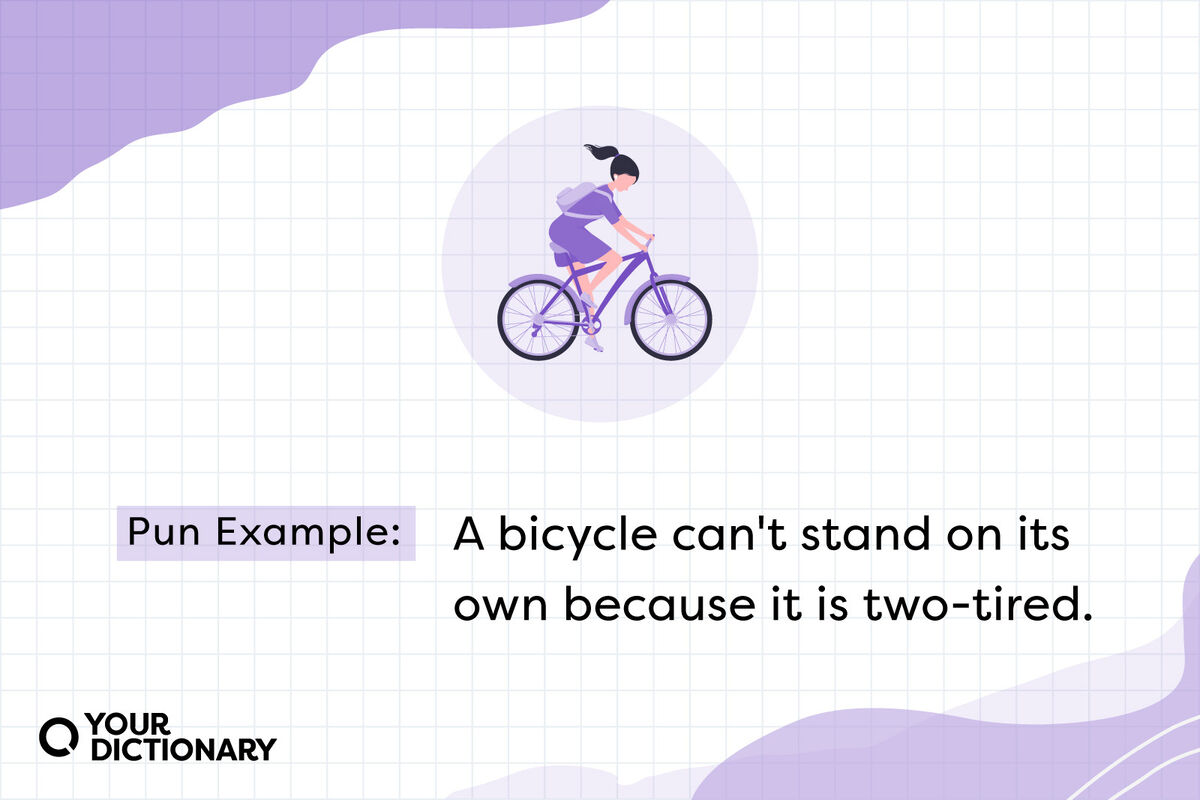
You’ve heard them. Perhaps you’ve even told a few. That moment when a sentence twists unexpectedly, a word reveals a hidden double life, and a groan escapes your lips, often followed by a reluctant chuckle. We’re talking, of course, about puns. From the “two-tired” bicycle that couldn’t stand up to the “grave man” Mercutio in Shakespeare’s Romeo and Juliet, puns are a ubiquitous, if sometimes maligned, form of wordplay. But what exactly happens in our brains when we encounter these linguistic tricksters? Why do they elicit such a complex mix of exasperation and delight? The answer lies in a fascinating interplay of cognitive processes and neural acrobatics that reveal much about how our minds process language, resolve ambiguity, and even find humor.
Far from being “the lowest form of wit” as Samuel Johnson famously declared, puns are a testament to the incredible flexibility and complexity of the human mind. They force our brains to perform linguistic gymnastics, rapidly shifting between meanings and interpretations, all while trying to make sense of an unexpected twist. Let’s dive deep into the “pun-derful” world inside our heads.
Quick Facts
- Puns have ancient origins, dating back to Sumerian cuneiform and Egyptian hieroglyphics around 2500 BCE.
- The term "paronomasia" is an ancient Greek word for pun.
- William Shakespeare used over 3,000 puns in his plays, often for rhetorical effect as much as humor.
- The Left Inferior Frontal Gyrus (LIFG) and posterior left temporal lobe are crucial for resolving semantic ambiguity, a key component of pun comprehension.
- Witzelsucht is a rare neurological condition characterized by an uncontrollable urge to make inappropriate puns and jokes, often linked to frontal lobe damage.
- The "Incongruity Theory" is a leading explanation for why we find things funny, including puns, as they present a surprising yet resolvable mismatch.
What Exactly Is a Pun? A Playful Definition
At its core, a pun is a form of wordplay that leverages the multiple meanings of a word, or the similar sounds of different words, to create a humorous or rhetorical effect. This exploitation of linguistic ambiguity is what gives puns their unique flavor and cognitive challenge. The concept of wordplay, known in ancient Greece as paronomasia, is far from a modern invention.
A Brief History of Wordplay
Puns have been embedded in human expression for millennia. Their earliest traces appear in ancient Mesopotamia, where Sumerian scribes crafted puns in cuneiform around 2500 BCE. Ancient Egyptians also incorporated wordplay into their hieroglyphics, using images and symbols to convey layered meanings in religious and poetic texts. Chinese literature, with characters that could signify similar sounds, embraced puns to add depth to poetry and philosophical writings.
The Greeks and Romans formalized puns as a literary and rhetorical device. Playwright Aristophanes filled his comedies with puns, and Roman orators like Cicero used them to enrich their works. Even in the Middle Ages, when puns were less prominent in Europe, they thrived in Persian and Arabic poetry. The Renaissance saw a grand resurgence, largely thanks to William Shakespeare, who is estimated to have used over 3,000 puns in his plays. His wordplay served not only for humor but also to enhance themes and deepen character.
The Many Flavors of Puns
Puns come in several distinct categories, each playing a slightly different trick on our linguistic processing:
- Homophonic Puns: These are perhaps the most common, relying on words that sound the same but have different meanings and often different spellings. Think of the classic, “A bicycle can’t stand on its own because it is two-tired” (too tired/two tires).
- Homographic Puns (or Heteronymic Puns): These puns use words that are spelled the same but have different meanings and sometimes different pronunciations. A famous example by Groucho Marx is, “Time flies like an arrow; fruit flies like a banana”. These often need to be read to be fully appreciated.
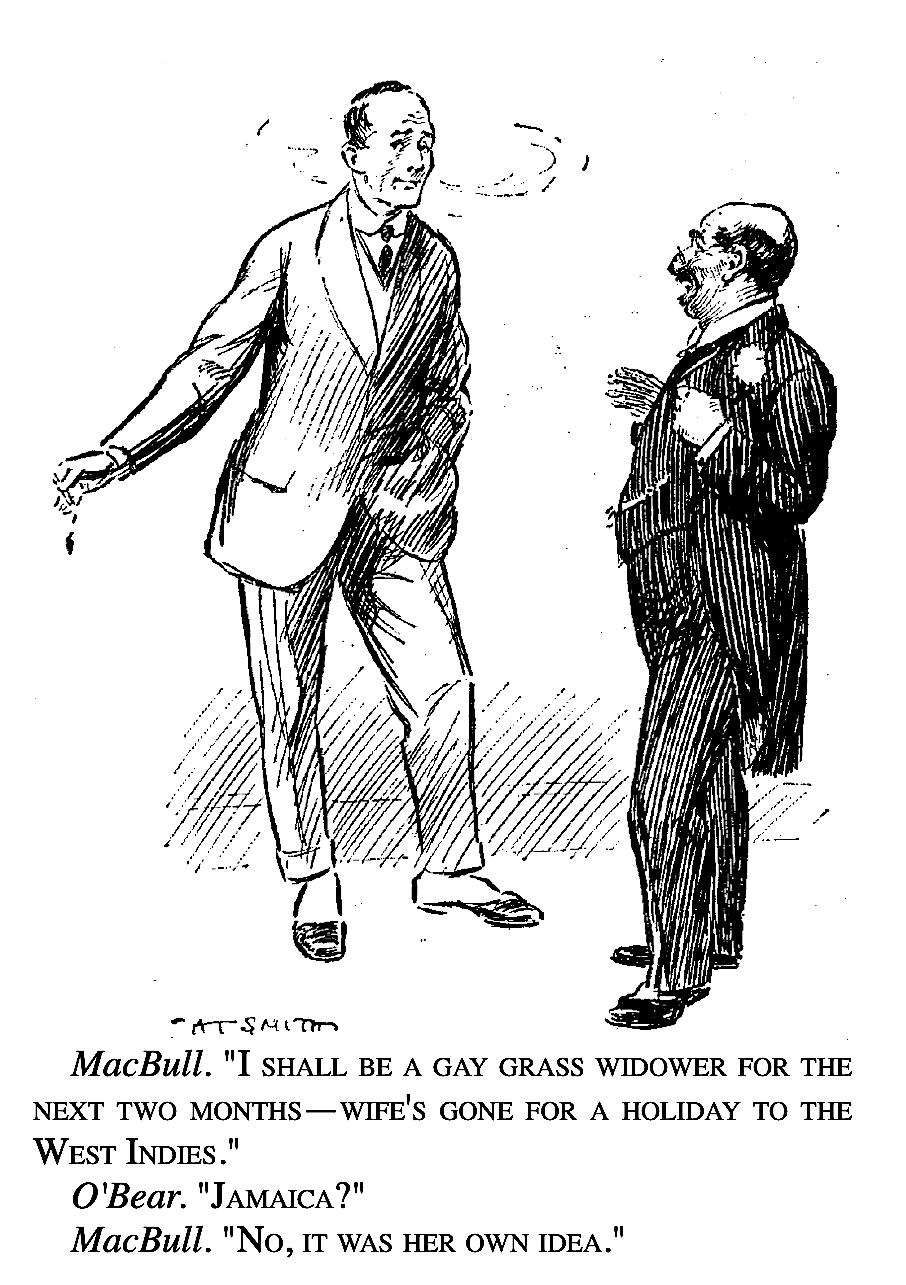
- Homonymic Puns: This category encompasses words that are both spelled and sound the same but have different meanings. While sometimes listed separately, they often overlap with homophonic and homographic categories depending on the specific linguistic analysis.
- Compound Puns: These clever constructions pack more than one pun into a single sentence, often for amplified comedic effect. “When the clock factory caught fire, all the employees tocked out” (took/tocked and out/out).
- Recursive Puns: A more complex form, these require understanding the first part of the pun for the second part to make sense. “May the Fourth be with you” is a well-known example, relying on knowledge of Star Wars and the phrase “May the Force be with you”.
The Brain's Linguistic Gymnastics: Decoding Double Meanings
Before we can appreciate the humor of a pun, our brains must first navigate the intricate landscape of language. This involves a rapid and largely unconscious process of accessing and interpreting words and their relationships.
Semantic Networks: The Mind's Web of Meaning
Our brains organize knowledge in what cognitive psychologists call semantic networks. Imagine a vast, interconnected web where each “node” represents a concept, word, or idea. These nodes are linked by “edges” that define the relationships between them — for example, “is-a-kind-of,” “has-a,” or “part-of”. When you hear a word like “cat,” activation spreads from that node to related concepts like “feline,” “meow,” “pet,” or “animal”. This “spreading activation” helps us quickly retrieve relevant information and understand context.
Lexical Ambiguity Resolution: The Brain's Dilemma
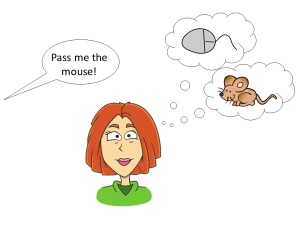
The challenge with puns, and indeed with any ambiguous language, is that a single word can activate multiple nodes in our semantic network simultaneously. When you hear a word like “bank,” your brain might activate both the meaning related to a financial institution and the one referring to the side of a river. This is called lexical ambiguity. Our brains are incredibly efficient at resolving this ambiguity, usually selecting the most contextually relevant meaning almost instantly.
Functional MRI (fMRI) studies have shown that resolving semantic ambiguities, especially in “high-ambiguity” sentences, consistently activates specific brain regions. These include the left inferior frontal gyrus (LIFG) and posterior regions of the left temporal lobe. The LIFG is thought to play a general role in the cognitive control processes needed to select contextually relevant meanings and to reinterpret sentences that might have been initially misunderstood. This region helps us manage the “competition” between different possible meanings, ensuring that we land on the most appropriate one for the given situation.
The “Aha!” Moment: Why Puns Make Us Giggle (or Groan)
So, our brain efficiently picks the most likely meaning. But what happens when a pun deliberately throws a wrench into this smooth process, forcing us to consider a second, equally valid, but unexpected meaning?
Incongruity Theory: The Core of Humor
One of the most widely accepted theories of humor is the Incongruity Theory. This theory posits that humor arises when we encounter something that contradicts our expectations or understanding of the world. It’s the mental surprise we experience when elements that don’t normally fit together are juxtaposed. The humor isn’t in the individual parts, but in the surprising and often illogical relationship that emerges between them.
Puns are a perfect illustration of incongruity. The setup of a pun leads our brains down one interpretive path, priming us for a particular meaning. Then, the punchline introduces a second, often surprising, meaning that is also valid, but initially unanticipated.
“In puns—where words have multiple, ambiguous meanings—the sentence context primes us to interpret a word in a specific way, an operation that occurs in the left hemisphere. Humor emerges when the right hemisphere subsequently clues us in to the word’s other, unanticipated meaning, triggering what Buchanan calls a ‘surprise reinterpretation.’”
Cognitive Dissonance and Resolution
When our brain encounters these two conflicting interpretations, it experiences a moment of cognitive dissonance. It’s a mild form of mental discomfort from holding contradictory ideas. The “aha!” moment, or the “getting” of the joke, is our brain’s rapid resolution of this incongruity. We suddenly grasp both meanings and see how they cleverly interact, creating a “benign violation” — a situation that is threatening or unexpected but ultimately harmless. This swift resolution, coupled with the element of surprise, triggers the pleasurable response we associate with humor.
Mapping the Mirth: The Neuroscience of Pun Processing
Understanding a pun is a complex dance between different parts of our brain, particularly involving both hemispheres.

The Hemispheric Handshake
Research suggests a fascinating division of labor:
- Left Hemisphere: Generally considered the seat of language, the left hemisphere takes the lead in processing the initial linguistic aspects of a pun. It decodes the words, accesses their primary meanings, and processes the sentence structure. When researchers presented puns in the right visual field (which processes initially in the left hemisphere), participants were quicker to “get” the joke.
- Right Hemisphere: This hemisphere “kicks in a bit later” to integrate information, detect the secondary, unanticipated meaning, and ultimately appreciate the humor. Scientists have even adopted the pun-intended phrase, “the right hemisphere has the last laugh,” due to its significant role in humor appreciation. It’s the right hemisphere that helps us make the “mental leap” to connect the two disparate meanings and resolve the incongruity.
For a pun to truly “land,” this teamwork between the left and right hemispheres is essential. The left hemisphere sets up the expectation, and the right hemisphere delivers the surprising reinterpretation.
Key Brain Regions Involved
Neuroimaging studies, particularly fMRI, have illuminated the specific brain areas that light up when we process humor and puns:
- Prefrontal Cortex (PFC): This region, especially the medial ventral prefrontal cortex, is heavily involved in higher-order cognitive functions like executive control, social cognition, and emotional regulation. It’s critical for “getting” the joke, managing the ambiguity, and is part of the brain’s reward system, indicating pleasure. Changes in the prefrontal cortex due to aging, for instance, can affect how individuals appreciate humor.
- Temporal Lobes: These areas, including the posterior temporal lobe, middle temporal gyrus (MTG), and superior temporal gyrus (STG), play a crucial role in recognizing and comprehending the semantic and contextual aspects of jokes and puns. They are particularly active during the “getting” of the joke, resolving the incongruities.
- Limbic System: Structures like the amygdala and the ventral striatum contribute to the emotional response to humor, such as amusement and laughter. The release of neurotransmitters like dopamine, often called the “pleasure neurotransmitter,” is associated with the rewarding feeling of humor.
- Inferior Frontal Gyrus (IFG): The left IFG is consistently implicated in resolving semantic ambiguities, which is fundamental to pun comprehension.
Intriguingly, damage to certain brain regions can profoundly impact humor processing. A rare neurological condition called Witzelsucht (German for “joking addiction”) is characterized by an uncontrollable tendency to make puns or tell inappropriate jokes. Patients with Witzelsucht, often suffering from right frontal lobe damage, find non-sequiturs, slapstick, and puns particularly amusing because these forms of humor don’t require complex integration of content across sentences. This highlights the frontal lobe’s role in not just processing humor, but also in understanding its social appropriateness.
Puns: More Than Just a Laugh (Cognitive Benefits)
Despite their polarizing reputation, engaging with puns offers a surprising array of cognitive benefits. They’re not just for groans; they’re a workout for your brain!
Boosting Cognitive Flexibility
Puns inherently demand cognitive flexibility — the ability to shift between different ideas, strategies, or perspectives effortlessly. To “get” a pun, your brain must first process one meaning and then, upon encountering the twist, rapidly pivot to recognize and integrate a second, often contrasting, meaning. This constant mental gymnastics strengthens your brain’s capacity to adapt to new information and challenge assumptions, a cornerstone of intelligence and problem-solving. A 2014 study in Cognitive Processing found that people exposed to humor showed improved cognitive flexibility.
Enhancing Creativity and Language Skills
The very act of appreciating or creating puns can also foster creativity. The “Flexible Thought Hypothesis” suggests that the flexible cognitive processes involved in understanding humor can boost divergent thinking, which is crucial for creative tasks. By playing with words and their multiple meanings, individuals expand their vocabulary and develop a deeper understanding of linguistic nuances and associations. This playful exploration of language can lead to more imaginative thought patterns and better communication skills overall.
Memory and Social Bonding
The positive emotions associated with humor, including the “aha!” moment of understanding a pun, can also have beneficial effects on memory. Positive affect can reduce tension and anxiety, which in turn promotes thinking and enhances the ability to integrate diverse materials. Furthermore, sharing a laugh over a clever pun creates a sense of camaraderie and social connection. It’s a shared moment of “getting it,” fostering a bond of shared cleverness and intelligence.
The Art of the Pun: Crafting Linguistic Twists
While some puns seem to arise spontaneously, crafting truly effective wordplay is an art. A good pun, whether intended for a laugh or a deeper rhetorical point, often relies on several factors:
- Unexpectedness: The twist should be surprising but not nonsensical.
- Clarity: Both meanings should be discernible, even if one is initially hidden.
- Context: The surrounding words and situation should allow for the multiple interpretations to make sense.
Literary giants like William Shakespeare understood this deeply. His plays are filled with puns that serve not just as jokes but also to reveal character, foreshadow events, or add layers of meaning to a scene. For example, in Hamlet, when the King asks Hamlet why “the clouds still hang on you,” Hamlet replies, “Not so, my lord; I am too much i’ the sun”. Here, “sun” plays on “son,” highlighting his grief and his forced position as the King’s stepson. This demonstrates how puns, in skilled hands, can transcend simple humor to become powerful rhetorical tools.
Conclusion: A Pun-derful Mind
From ancient hieroglyphs to modern “dad jokes,” puns have endured as a persistent, if sometimes polarizing, element of human language. What might seem like a simple play on words is, in fact, a sophisticated cognitive event. It’s a dynamic process that begins with our brain’s rapid semantic processing, encounters a delightful incongruity, and culminates in a moment of “aha!” — a rapid resolution that engages multiple brain regions, particularly the intricate dance between our left and right hemispheres.
So, the next time you hear a pun and feel that familiar groan rising, take a moment to appreciate the complex linguistic and neurological ballet happening behind the scenes. That groan, quickly followed by a chuckle, isn’t just a reaction to a clever turn of phrase; it’s a testament to your brain’s incredible ability to process ambiguity, resolve conflict, and find joy in the unexpected. Puns don’t just make us laugh; they remind us of the extraordinary flexibility and power of our own minds.