
18
Learn More
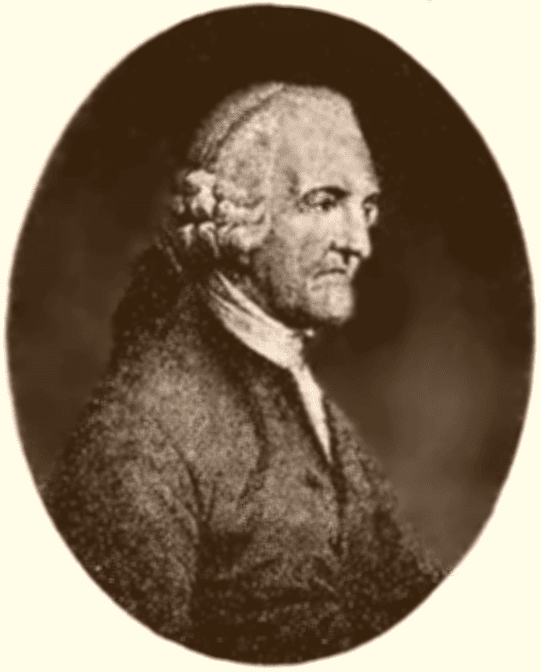
In the 1740s, an English gentleman began tutoring members of high society in the popular card game of whist. To aid his students, he compiled his notes into a manuscript which he later published in 1742 as "A Short Treatise on the Game of Whist." This book was the first of its kind to scientifically analyze a card game and provide a standardized set of rules, quickly becoming an immense success. He soon followed this with treatises on other popular games of the era, including backgammon and chess.
His work was so influential that he became the ultimate authority on the rules of indoor games. This led to the coining of the popular phrase, "according to Hoyle," which signifies a strict adherence to the correct rules and procedures. The expression became so widespread that it is still used today to denote playing anything by the established rules. His name became synonymous with any official guide to games, and to this day, many modern rulebooks are published under the "Hoyle" brand.
The enduring legacy of his work is a testament to the clarity and structure he brought to recreational pastimes. His codification of rules transformed casual games into more structured pursuits and his influence was so profound that even though he died long before poker was invented, he was inducted into the Poker Hall of Fame as a charter member in 1979. This honor recognizes his foundational contributions to the principles and sportsmanship of gaming.
Learn more on Codexery: Card Games
This question is part of: Board Game and Card Game trivia questions and answers
More People Trivia Questions
20
After the San Francisco earthquake and fire of 1906, architect Julia Morgan was called upon to rebuild the interior of which San Francisco hotel?
20Who was Madonna married to from 1985-1989?
20What are the first names of thumbs-up movie critics Siskel and Ebert?
20Can you name the twin sisters whose rival advice columns ran in hundreds of newspapers throughout the English speaking world?
20Which game is played on a marked board divided into two halves, each side containing 12 alternately colored points?
20This African-American botanist and agricultural chemist developed hundreds of uses for peanuts, soybeans, and sweet potatoes. Who was he?