
7
Learn More
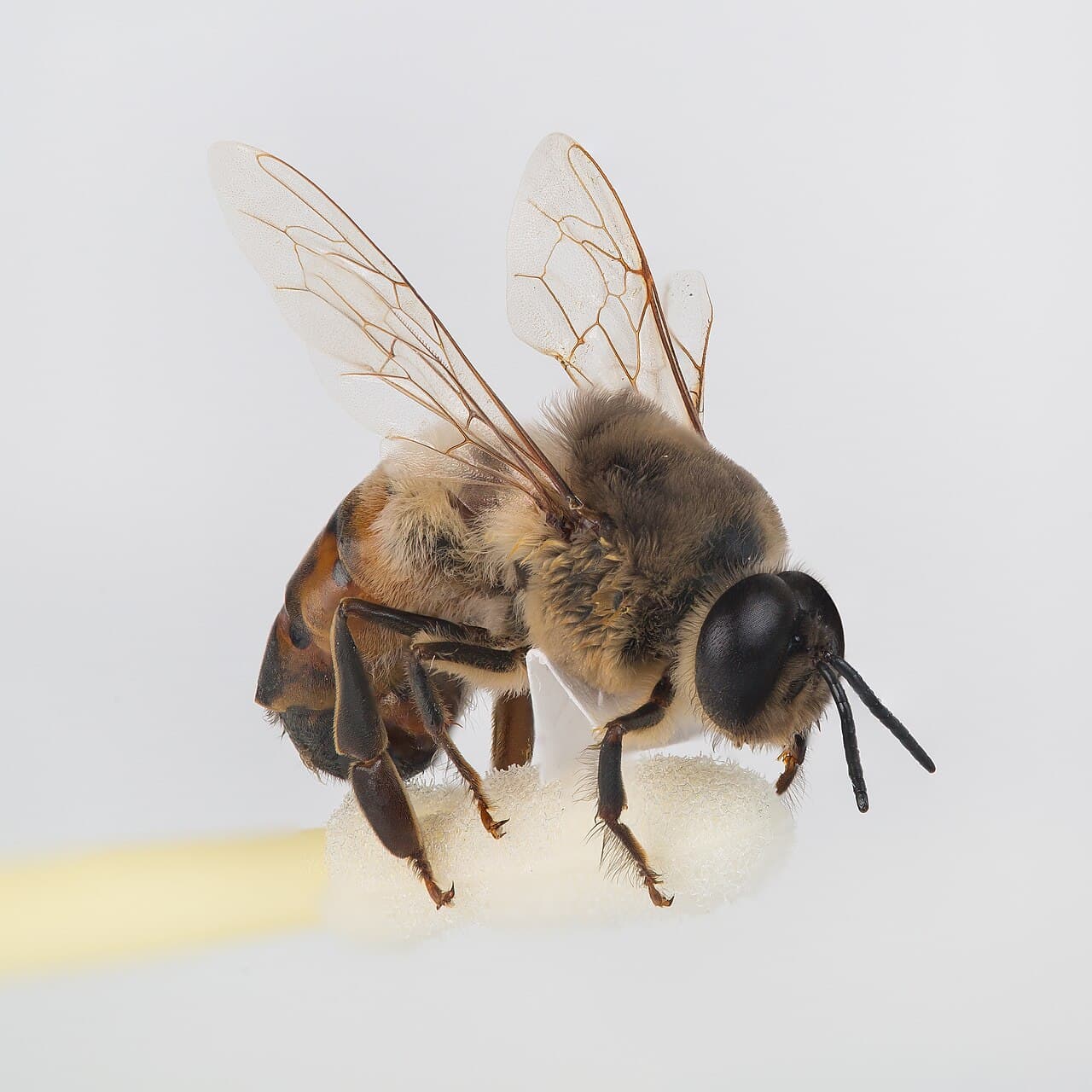
Within the highly structured society of a honeybee colony, the male bees enjoy a life that seems quite privileged. Unlike their industrious female worker sisters, these males perform no chores. They don't forage for nectar, build the honeycomb, or defend the hive. Their entire existence is dedicated to a single, vital purpose: to mate with a new queen and pass on their genes to the next generation.
These specialized male bees develop from unfertilized eggs, a process which means they have no father and only inherit genes from their mother, the queen. They are physically distinct from the female workers, being larger and broader, and possessing enormous eyes that are crucial for spotting the queen during her nuptial flight. Another key difference is their inability to sting, as the stinger is a modified egg-laying organ found only in females.
This seemingly easy life, however, comes with a grim catch. For a drone (Deals) that successfully mates, the act itself is fatal. For those that fail to find a queen, the future is just as bleak. As autumn approaches and resources become scarce, the worker bees will forcibly evict all remaining drones from the hive, leaving them to perish in the cold. Their short, specialized life is an ultimate sacrifice for the continuation of the colony.
More Animals Trivia Questions
20
How is it possible to determine the sex of a parakeet?
19These animals reach lengths of up to 7 feet, have about 100 teeth, emit sounds when moving to help them navigate, and reach travelling speeds of about 35 miles per hour. What kind of animals are they?
19What are two common names for jumping, tailless amphibia?
19The largest type of living bird can be 9 feet in height and weigh 350 lbs (160 kgs). What kind of bird is it?
19What's the difference between a turtle and a tortoise?
18By what name do we identify those certain kinds of weasels whose coats change color in the winter?