
20
Learn More
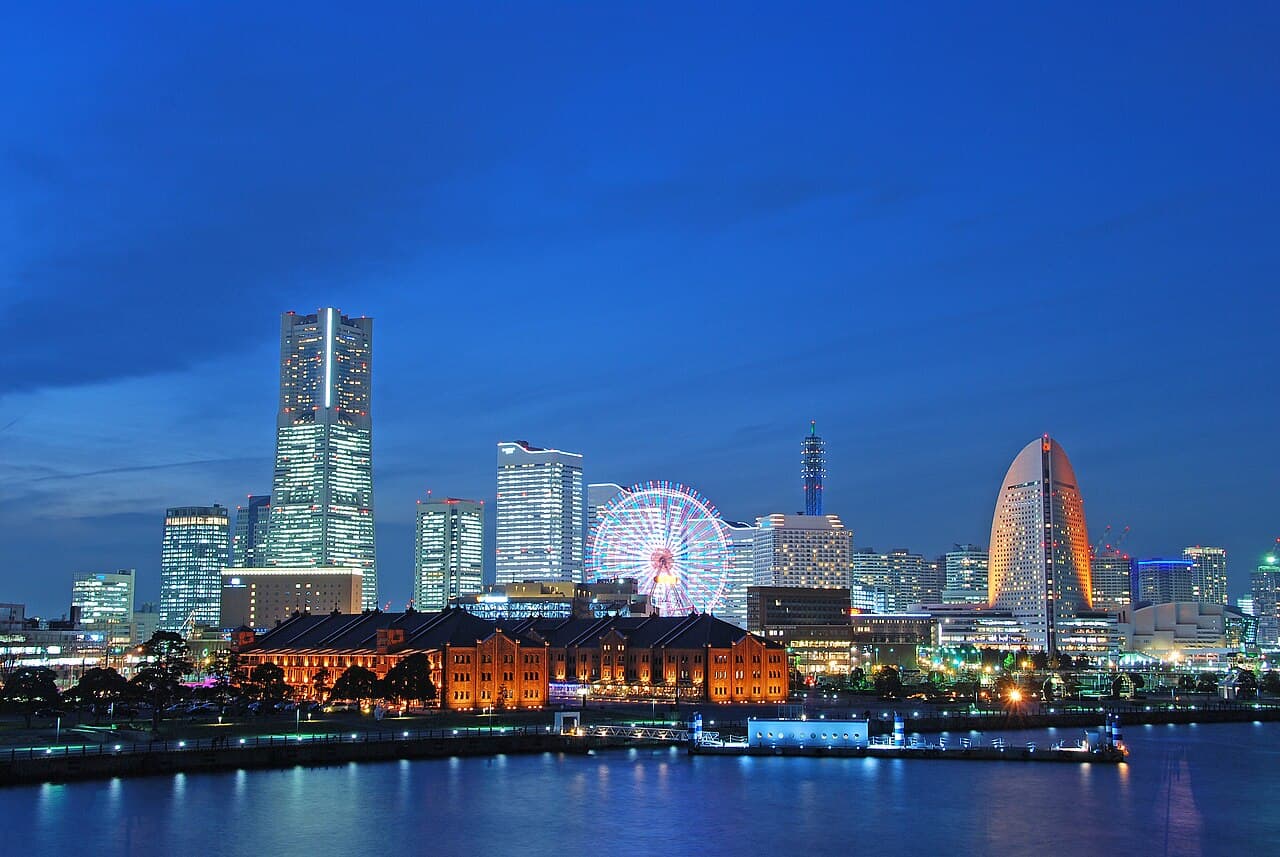
While many might guess Osaka, the title of Japan's second most populous city belongs to the major port located just south of Tokyo. With a population of over 3.7 million, it is a massive urban center in its own right, though its proximity to the capital means it is often seen as part of the Greater Tokyo Area. This close relationship can sometimes obscure its distinct identity and immense scale.
The city's prominence is a relatively recent phenomenon, deeply tied to a pivotal moment in the nation's history. For centuries, it was a sleepy fishing hamlet. That all changed in 1859 when, after more than 200 years of self-imposed isolation, Japan opened its borders to international trade following the arrival of U.S. Commodore Matthew Perry's fleet. Yokohama was designated as one of the first treaty ports available to foreign merchants.
This decision triggered an explosion of growth. The small village rapidly transformed into a cosmopolitan hub as foreign traders, diplomats, and technology poured in. This legacy endures today, visible in the city's international atmosphere, historic Western-style architecture, and one of the world's largest Chinatowns. Its entire modern identity was forged in its role as Japan's primary window to the outside world.
More History Trivia Questions
70
What wall divided Berlin from 1961 to 1989?
53Which ancient wonder was located in Alexandria, Egypt?
31Which empire was ruled by Genghis Khan?
20Which U.S. President, who served from 1845-1849, was in office at the beginning of the California gold rush?
20Besides the hanging Gardens of Babylon, the other six "Wonders of the Ancient World" were located in which three countries?
20Around 1680, when King Charles II repaid a debt owed to his father, this 35-year-old man received a huge parcel of land on the western bank of the Delaware River which eventually became a state bearing his name. What was his name?