
10
Learn More
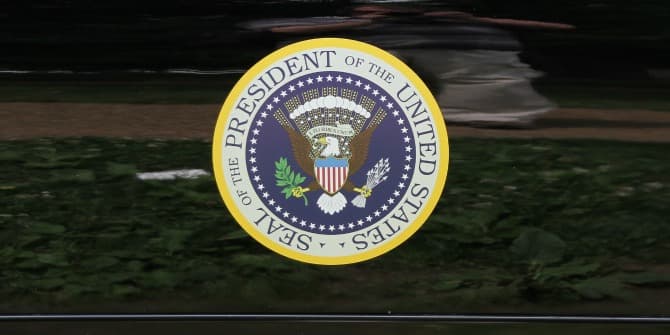
The path to U.S. citizenship through naturalization grants an individual nearly every right and responsibility enjoyed by those born in the country. This remarkable equality has just one major exception, and it applies to the nation's highest office. The U.S. Constitution, in Article II, Section 1, explicitly states that "No Person except a natural born Citizen... shall be eligible to the Office of President." This means that while a naturalized citizen can vote, serve on a jury, hold a security clearance, and even be elected to Congress or the Supreme Court, the presidency remains out of reach.
This requirement stems directly from the anxieties of the nation's founders in the late 18th century. Having just fought for independence, they were deeply apprehensive about foreign influence and the potential for a European monarch or noble loyal to another crown to gain control of the fledgling republic. By limiting the presidency to natural-born citizens, they sought to ensure the commander-in-chief's undivided loyalty to the United States. This has meant that prominent figures like former Secretary of State Madeleine Albright, who was born in Czechoslovakia, were constitutionally barred from seeking the nation's top job despite holding other high-level cabinet positions.
More Government Trivia Questions
19
On Dec. 10, 1953, the first Playboy magazine was released. Which well-known woman was the first playmate?
19What is the name for the form of government controlled by a privileged, hereditary ruling class, generally resented by the middle and lower class.
18In what year did India gain its independence, and which well-known person became its first prime minister?
17The statement, "The right of citizens to vote shall not be denied because of sex" became a part of the U.S. Constitution in what year? Was it 1787 when the constitution was written, or as an amendment in 1865, 1920, or 1945?
17Which U.S. city has these three nicknames: air crossroads of the world, Chicago of the north, largest city in the largest state?
17According to the U.S. Constitution, if none of the candidates for President gains a majority of the electoral votes, how would the choice of President be made?