
6
Learn More
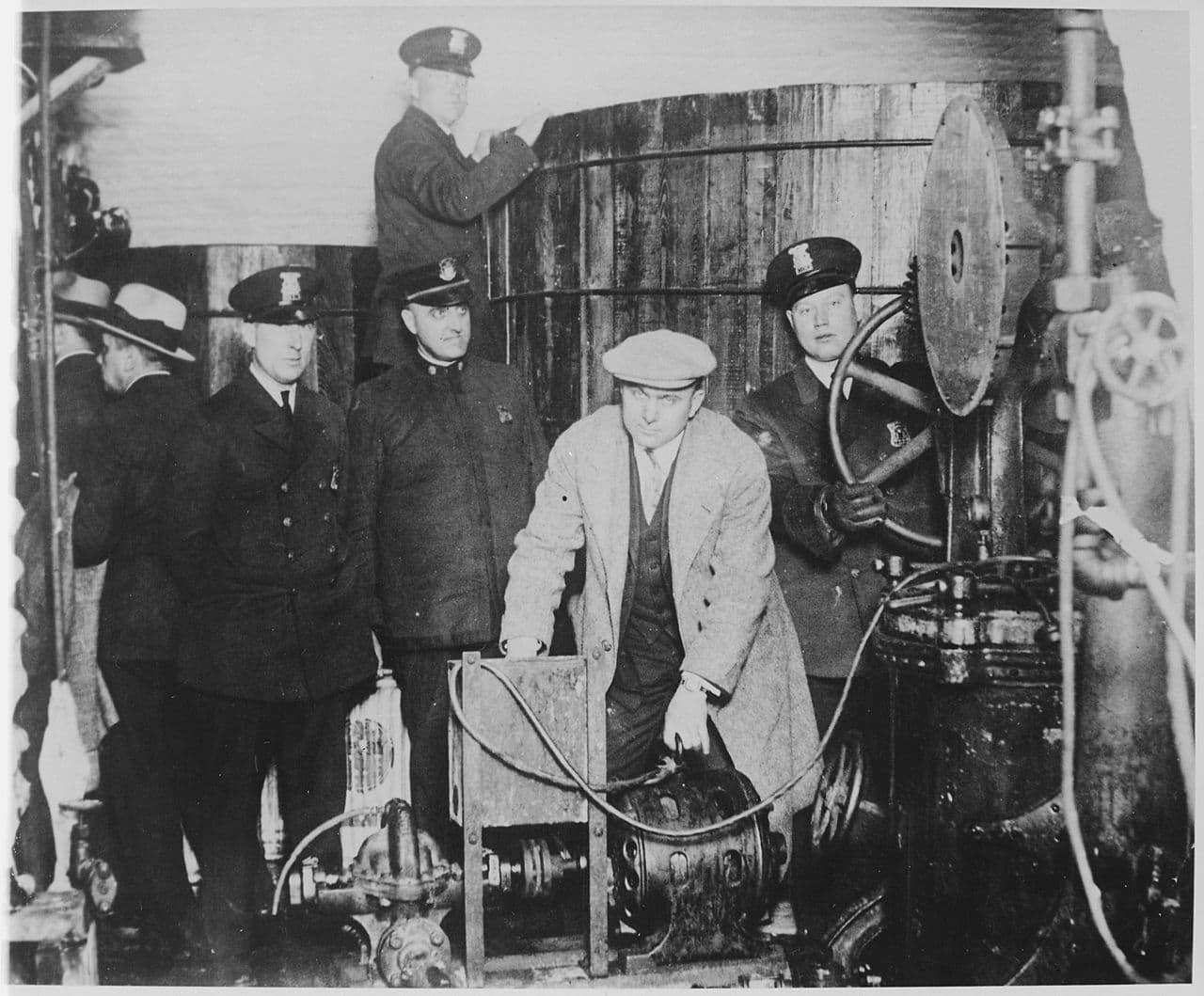
The "Noble Experiment" of nationwide alcohol prohibition in the United States officially came to an end in December 1933. This concluded a thirteen-year period that began with the implementation of the 18th Amendment. The end was formalized with the ratification of the 21st Amendment, which remains the only constitutional amendment ever passed to repeal a previous one. A major factor driving the repeal was the Great (Review) Depression; the government desperately needed the tax revenue that legal alcohol sales would generate, and the public was weary of the policy's many failures.
This era, which began in 1920, was intended by its proponents in the Temperance Movement to reduce crime and improve the nation's moral character. In reality, it had many unintended consequences. The nationwide ban on the production, sale, and transportation of alcoholic beverages led to a boom in illegal activity. Secret bars known as speakeasies flourished, bootleggers smuggled liquor across borders, and organized crime syndicates, famously led by figures like Al Capone, grew incredibly wealthy and powerful from the illicit trade. The eventual repeal was a pragmatic recognition that the ban was largely unenforceable and had created more problems than it solved.
More History Trivia Questions
70
What wall divided Berlin from 1961 to 1989?
53Which ancient wonder was located in Alexandria, Egypt?
31Which empire was ruled by Genghis Khan?
20What is the second largest city in Japan?
20Around 1680, when King Charles II repaid a debt owed to his father, this 35-year-old man received a huge parcel of land on the western bank of the Delaware River which eventually became a state bearing his name. What was his name?
20In June, 1994, the French, British and Americans celebrated the 50th anniversary of what event?