
30
Learn More
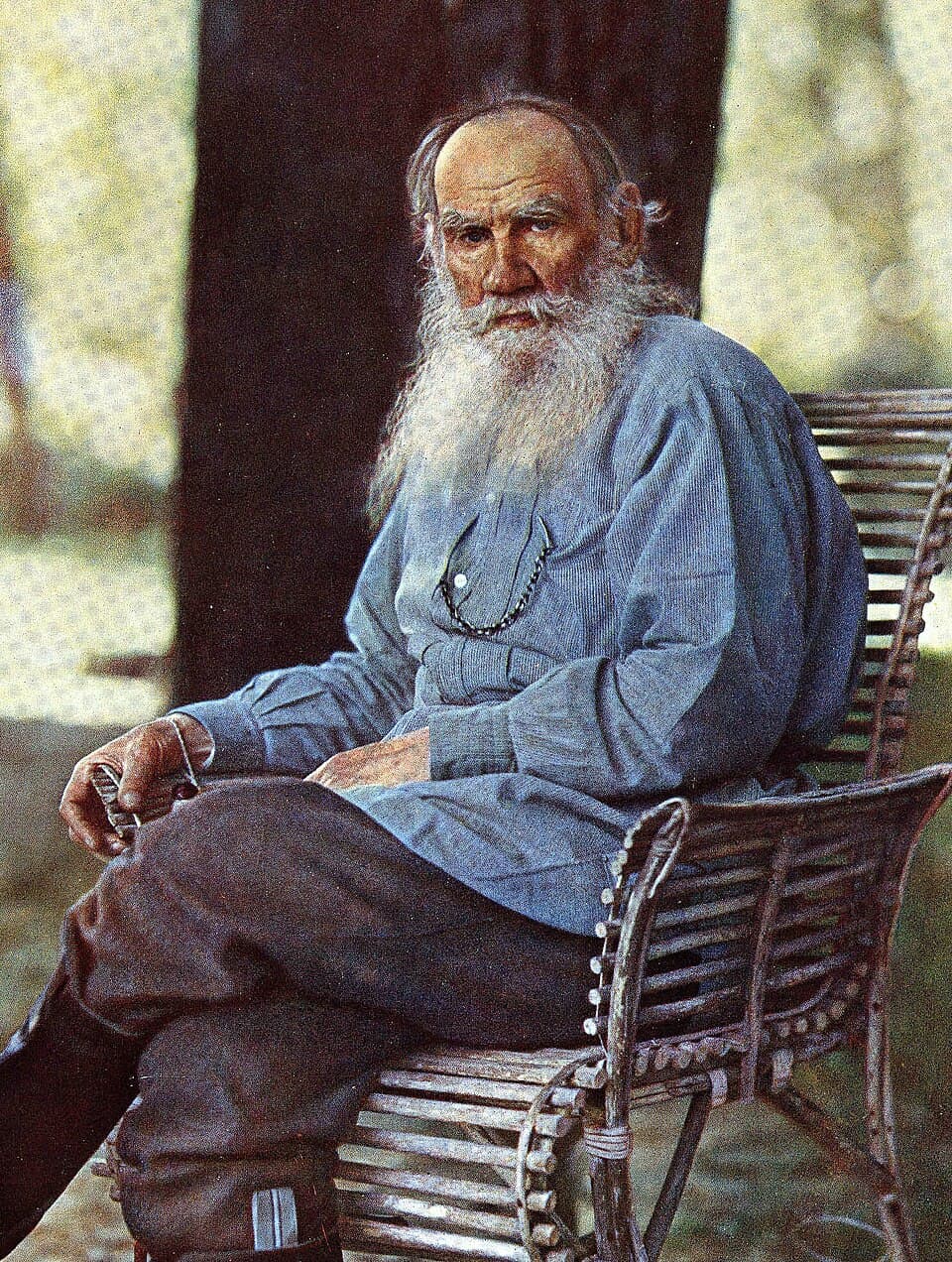
The profound observation that people often desire global transformation without first seeking personal change comes from Leo Tolstoy, the renowned Russian novelist, philosopher, and moral thinker. Born in 1828, Tolstoy, famous for literary masterpieces like "War and Peace" and "Anna Karenina," experienced a significant spiritual awakening in his later life. This period saw him delve deeply into ethical reflection, personal accountability, and a radical Christian philosophy rooted in pacifism and moral purity. His writings from this time, including this powerful statement, consistently underscore his lifelong struggle with conscience and the importance of self-transformation.
At its core, Tolstoy's insight challenges humanity's natural inclination to focus on external flaws while overlooking internal ones. It highlights the often uncomfortable truth that true, lasting change begins not with grand gestures on a global scale, but with the arduous, yet ultimately more impactful, work of self-improvement. It suggests that criticizing the world's problems is far easier than confronting one's own habits, biases, and shortcomings. This internal shift in mindset and behavior, however, is what truly empowers an individual to influence their immediate environment and, by extension, the wider world.
This principle resonates throughout history and across various philosophies. The idea of purifying oneself before attempting to purify society is not unique to Tolstoy; similar wisdom can be found in ancient teachings and religious texts, emphasizing the foundational role of individual virtue. Figures like Mahatma Gandhi, who was deeply influenced by Tolstoy's philosophy of non-violence, exemplify how profound personal conviction and transformation can indeed ignite and sustain movements that lead to monumental societal shifts. Tolstoy's words serve as a timeless reminder that if we genuinely aspire to a better world, the most effective starting point is always within ourselves.
Related Quotes
84
84
84
80
79
77