
68
Learn More
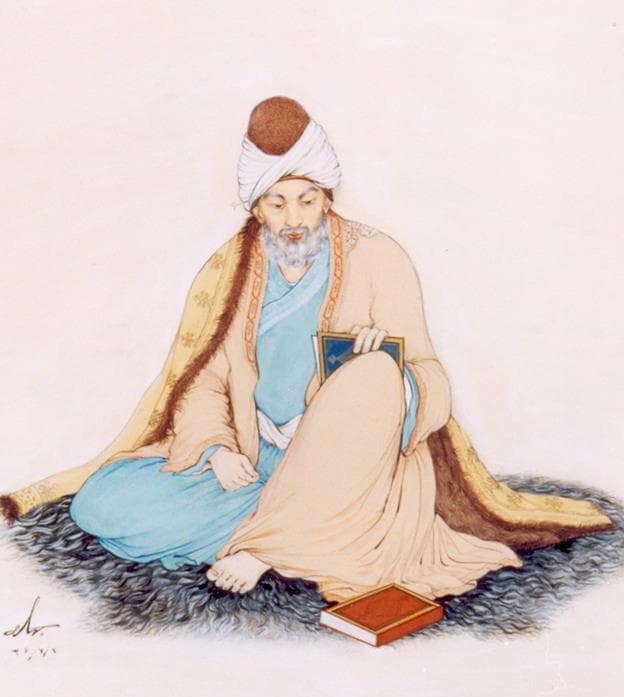
Jalal al-Din Muhammad Rumi, the renowned 13th-century Persian poet and Sufi mystic, offered profound insights into human existence and spirituality. Born in present-day Afghanistan and later settling in Konya, Turkey, Rumi's teachings emphasized love, tolerance, and a deep connection to the divine, often in response to the turmoil and conflict of his era. His extensive body of work, particularly the Mathnawi, continues to inspire millions worldwide, transcending cultural and religious boundaries with its universal themes.
The essence of Rumi's invitation to a "field" lies in moving beyond the confines of human-made judgments and dualistic thinking. He suggests that our constant categorizations of actions and people into "right" or "wrong" often fuel conflict and division. This metaphorical field is a sacred space of unconditional acceptance and understanding, where the soul can find genuine peace by shedding the rigid frameworks of societal and personal biases. It's an appeal to meet each other in a place of pure, unadulterated presence, transcending the dichotomies we humans create.
This timeless wisdom holds immense relevance for fostering peace, both internally and in our interactions with others. By consciously seeking to step outside the impulse to label and judge, we can cultivate empathy and open pathways for true connection. Rumi's Sufi philosophy promoted a pacifist approach, advocating for inner peace and total peace through love, tolerance, and moral virtues, directly addressing the social need to eliminate grudges and enmities prevalent in his time. In everyday life, this means approaching disagreements not with a desire to prove who is right, but with an openness to understand the other's perspective, thereby transforming potential conflict into an opportunity for shared humanity and genuine peace.
Related Quotes
83
81
80
80
80
79