
21
Learn More
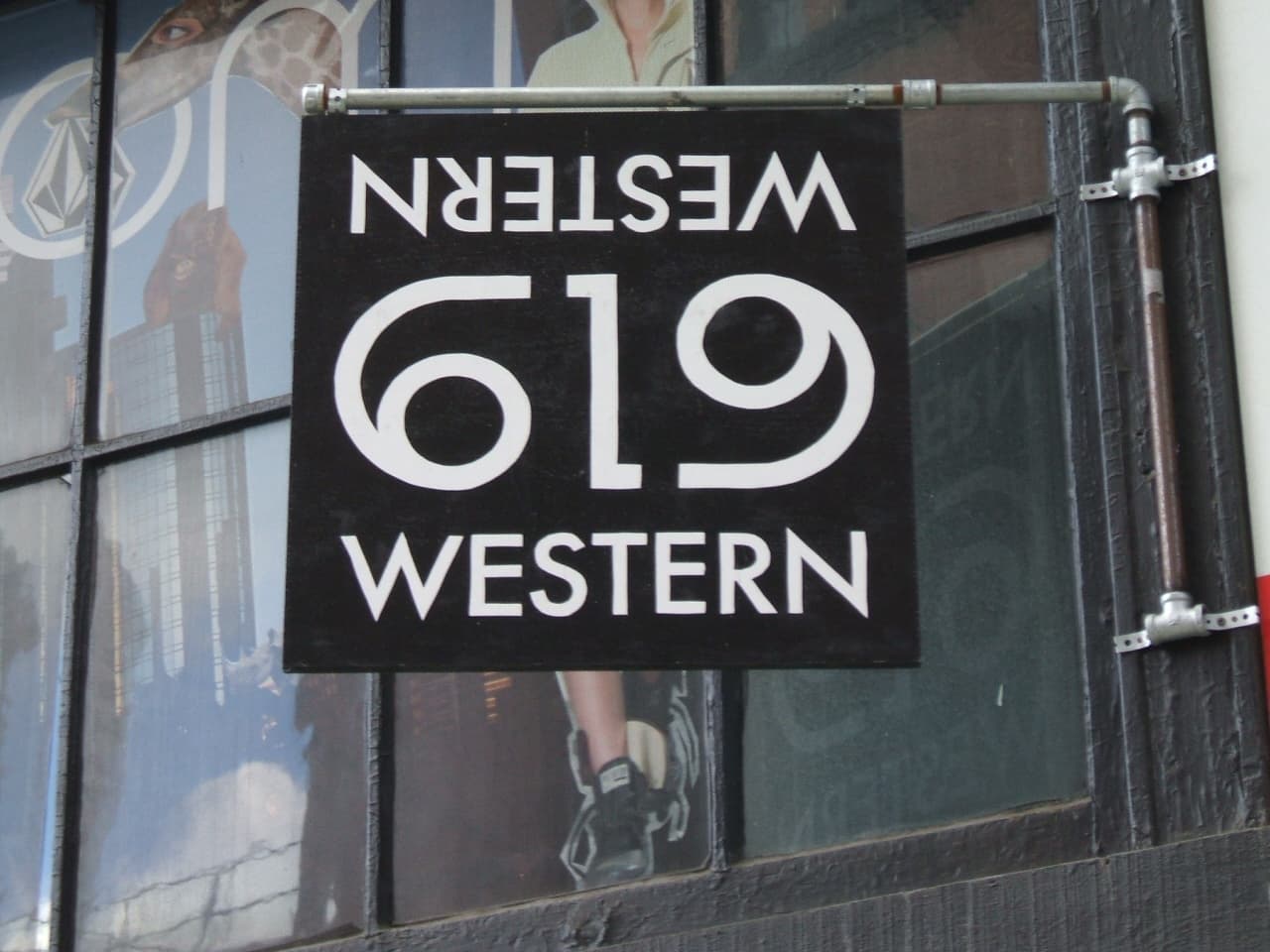
This mathematical curiosity revolves around numbers that are rotationally symmetrical, meaning they appear identical after being rotated 180 degrees. These are sometimes called strobogrammatic numbers. The most recent year with this property was 1961. When you flip the number 1961 upside down, the 1s remain 1s, and the 6 becomes a 9, while the 9 becomes a 6, resulting in the same sequence of digits. The digits that share this unique characteristic are 0, 1, and 8, which look the same upside down, and 6 and 9, which become each other.
This is a different concept from a palindrome, which is a number or word that reads the same forwards and backward, such as the year 2002. While some years, like 1881, have the rare distinction of being both a palindrome and a strobogrammatic year, 1961 is not a palindrome. These special years are quite infrequent. Before 1961, the previous occurrence was 1881.
Looking to the future, we will have a very long wait for the next year that can be read the same right side up and upside down. Because of the limited digits that can be used and the specific order required, the next such year will not occur until 6009. In that year, the 6 will become a 9, the two 0s will remain unchanged, and the 9 will become a 6, once again forming the same number when inverted.
More Mathematics Trivia Questions
72
What is the sum of angles in a triangle?
24What is the square root of 144?
2039,370 inches is equivalent to what unit of distance?
20If you add the numerical value of all seven Roman numerals, what is the sum?
20If there is a 40% chance that you will get a red light at a certain traffic intersection, what is the probability of you passing through the intersection with green lights three times in a row?
20If a square has the same area as a circle whose radius is one unit in length, exactly how long is each side of the square?