
6
Learn More
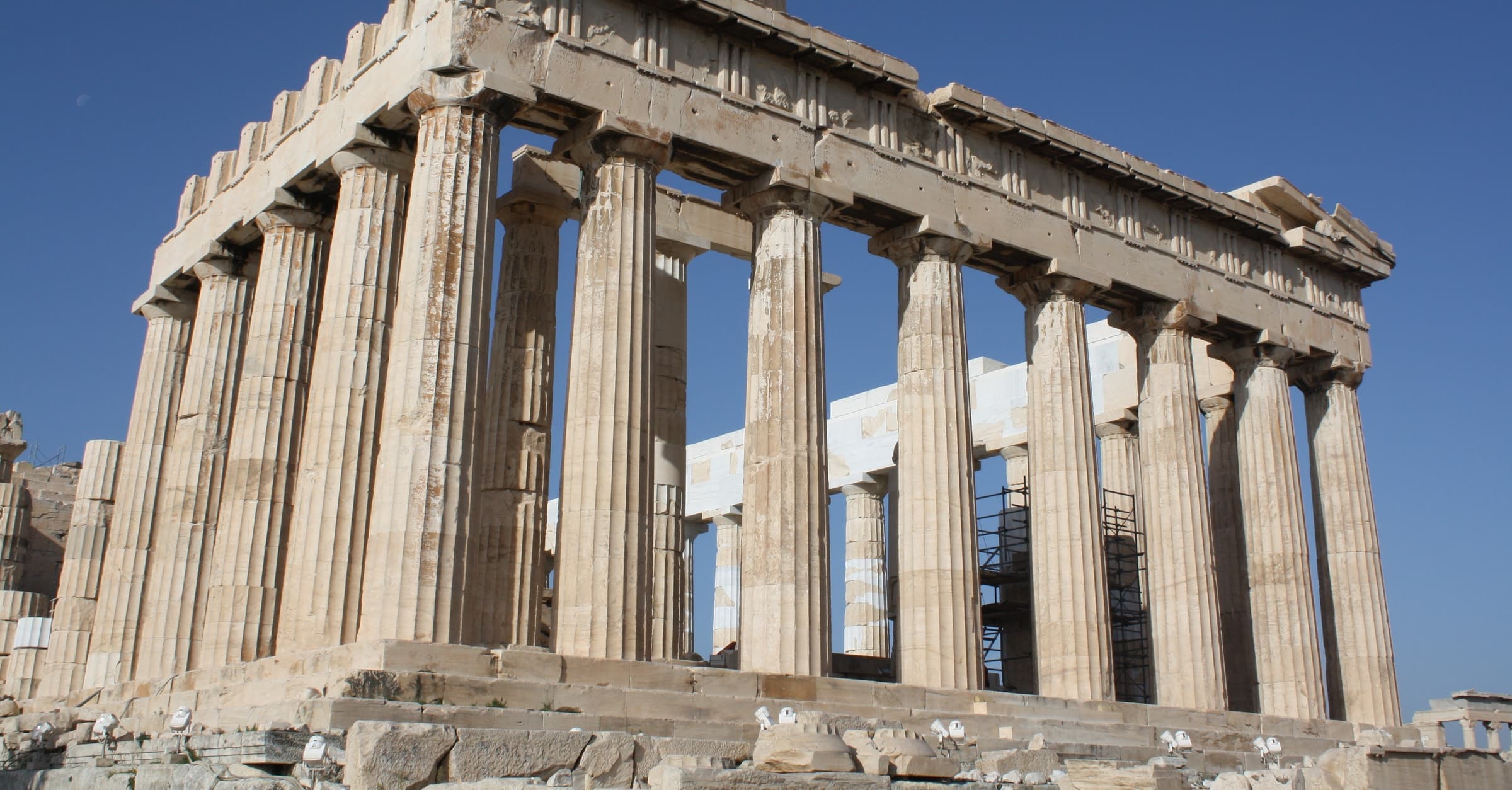
This magnificent temple was a dedication to the city's patron deity, Athena Parthenos. The name "Parthenon" itself translates to "house of the virgin," a direct reference to one of Athena's epithets, "Parthenos" or virgin. As the protector (Review) of Athens, it was fitting that the city's most impressive temple be built in her honor. Inside, it housed a colossal statue of the goddess, crafted from gold and ivory by the famed sculptor Pheidias, further cementing its purpose as the dwelling place for the city's divine guardian. The temple also served a practical purpose as the city treasury.
The temple's prominent position is on a high, rocky outcrop known as the Acropolis. The word "acropolis" literally means "highest point of the city" in Greek, and this elevated, naturally fortified location served as the defensive, religious, and cultural heart of ancient Athens. Placing the Parthenon here not only made it a visible symbol of Athenian power and devotion from anywhere in the city, but it also situated it within the most sacred and important precinct.
Construction of the iconic structure seen today began in 447 BC under the leadership of the statesman Pericles. It was part of a grand rebuilding project after an earlier temple on the same site had been destroyed by invading Persian forces in 480 BC. The completion of the new Parthenon, with its innovative architectural refinements and lavish sculptural decorations, was meant to be a lasting testament to the glory of Athens, celebrating the victory over the Persians and the city's cultural and democratic achievements.
More Mathematics Trivia Questions
72
What is the sum of angles in a triangle?
24What is the square root of 144?
21a. What was the last year which read the same right side up as upside down? b. What will be the next year?
2039,370 inches is equivalent to what unit of distance?
20If you add the numerical value of all seven Roman numerals, what is the sum?
20If there is a 40% chance that you will get a red light at a certain traffic intersection, what is the probability of you passing through the intersection with green lights three times in a row?