
6
Learn More
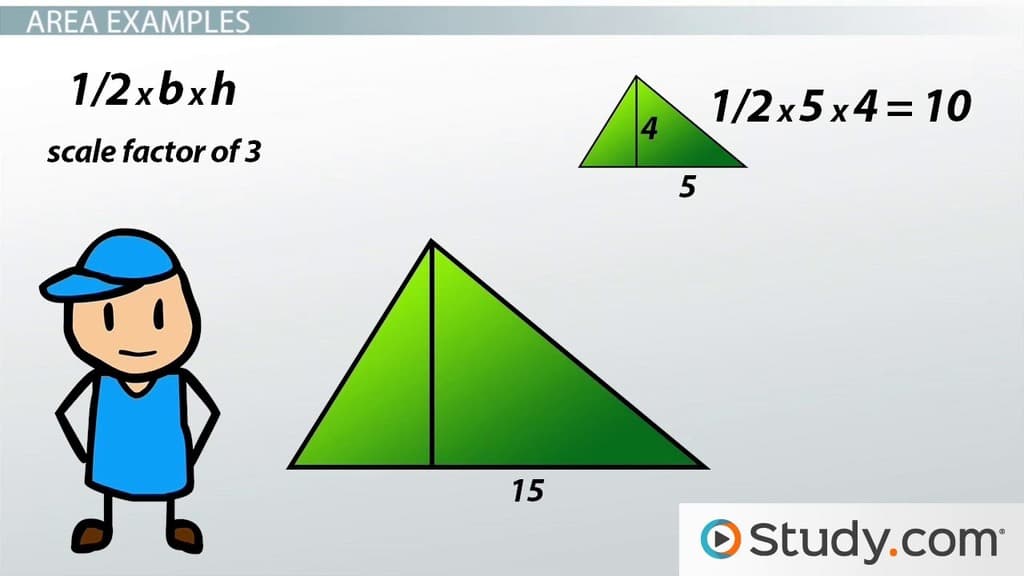
This puzzle highlights a common mathematical tripwire: the difference between linear scale and area scale. While the model's length is 20 times smaller than the real car's, the surface area isn't just 20 times smaller. Think of a square; if you double the length of its sides (a linear factor of 2), its area becomes four times larger (2 squared). The same principle applies here. Since paint covers a surface area, we must square the linear scale factor of 20. This gives us an area scale factor of 400 (20 x 20). Therefore, the real car requires 400 times the amount of paint as the model, so we multiply 1/4 liter by 400 to arrive at the correct 100 liters.
Scale models are a critical part of automotive design, allowing designers and engineers to perfect a vehicle's aesthetics and aerodynamics long before a full-size version is built. These models, often created from clay, are meticulously detailed to accurately represent the final product. Popular scales for detailed car models include 1:18 and 1:24, which are large enough to showcase intricate interior and exterior features. Interestingly, while the math in this problem is sound, a real-world paint job on a standard sedan uses significantly less paint, typically between 5.7 and 11.4 liters for a full repaint including all coats. This discrepancy shows just how dramatically the surface area increases with scale.
More Mathematics Trivia Questions
72
What is the sum of angles in a triangle?
24What is the square root of 144?
21a. What was the last year which read the same right side up as upside down? b. What will be the next year?
20If you add the numerical value of all seven Roman numerals, what is the sum?
20If there is a 40% chance that you will get a red light at a certain traffic intersection, what is the probability of you passing through the intersection with green lights three times in a row?
2039,370 inches is equivalent to what unit of distance?