
7
Learn More
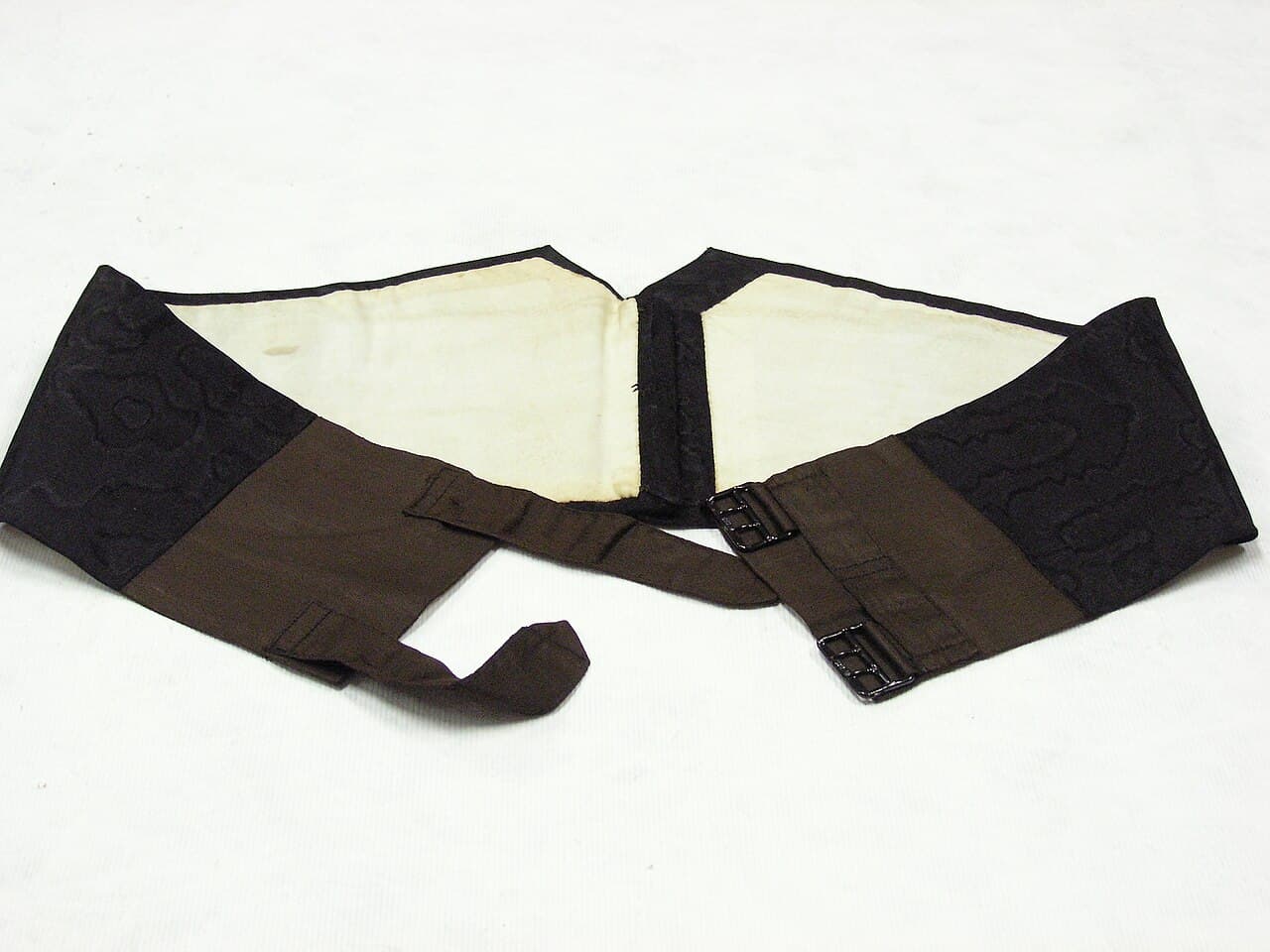
This pleated sash traces its origins directly to India, where its name plainly reveals its function. The word is an Anglicized version of the Hindustani term "kamarband," which literally translates to "waistband." In its original context, it was a practical and often colorful sash worn by men to cinch clothing at the waist. Its journey into Western formal wear began during the British colonial period.
British military officers stationed in India observed the comfort and practicality of the kamarband, particularly in the hot, tropical climate. They began wearing it as a cooler and less restrictive dining accessory, a welcome alternative to the stiff and heavy waistcoats traditionally worn with formal dinner jackets. This sartorial adaptation was brought back to Europe and gradually became an accepted part of black-tie attire by the 1920s.
Today, its primary role is aesthetic, designed to cover the waist and create a clean, smooth line between a tuxedo shirt and trousers. A key piece of etiquette is that the pleats should always face upwards. This tradition has led to the playful nickname "crumb catcher," based on the idea that the small folds could catch any food dropped during a formal dinner.
More Other Trivia Questions
20
What is the name of the grand prize given at the Cannes film festival?
20What is the name of the five-dice game where players try to create different combinations similar to poker hands?
20A number of years ago, what product was advertised by means of the slogan, "I can't believe I ate the whole thing" ?
20How long is one lap of the Indianapolis motor speedway?
20Most people have 20 of these, but in 1921 a boy born in England had 29 of them. What were they?
20The Wright brothers successfully flew an airplane in 1903 in what North Carolina location?