
The Science of Memory and How to Remember More
Have you ever walked into a room and completely forgotten why you went there? Or struggled to recall the name of a person you just met? These common, often frustrating, moments highlight the complex and sometimes elusive nature of our memory. It’s a biological process that defines our very existence, shaping our personalities, guiding our decisions, and forming the rich tapestry of our lives. But how does this incredible internal hard drive actually work? And more importantly, how can we make it work better?
Memory is far more than a simple filing cabinet in the brain. It's a dynamic, intricate process of encoding, storing, and retrieving information. Understanding the science behind it not only demystifies those "brain-fog" moments but also unlocks powerful strategies to sharpen our recall and learn more effectively. Let's journey into the fascinating landscape of the mind and explore the science of how we remember, and how we can remember more.
The Architecture of Memory: From Fleeting Moments to Lifelong Knowledge
To grasp how to improve memory, we first need to understand its basic structure. Psychologists often describe memory in terms of stages, a model first proposed by Richard Atkinson and Richard Shiffrin in 1968, which breaks it down into three distinct systems. Think of it as an information processing pipeline, where data passes from one stage to the next.
H3: Sensory Memory: The Brief First Impression
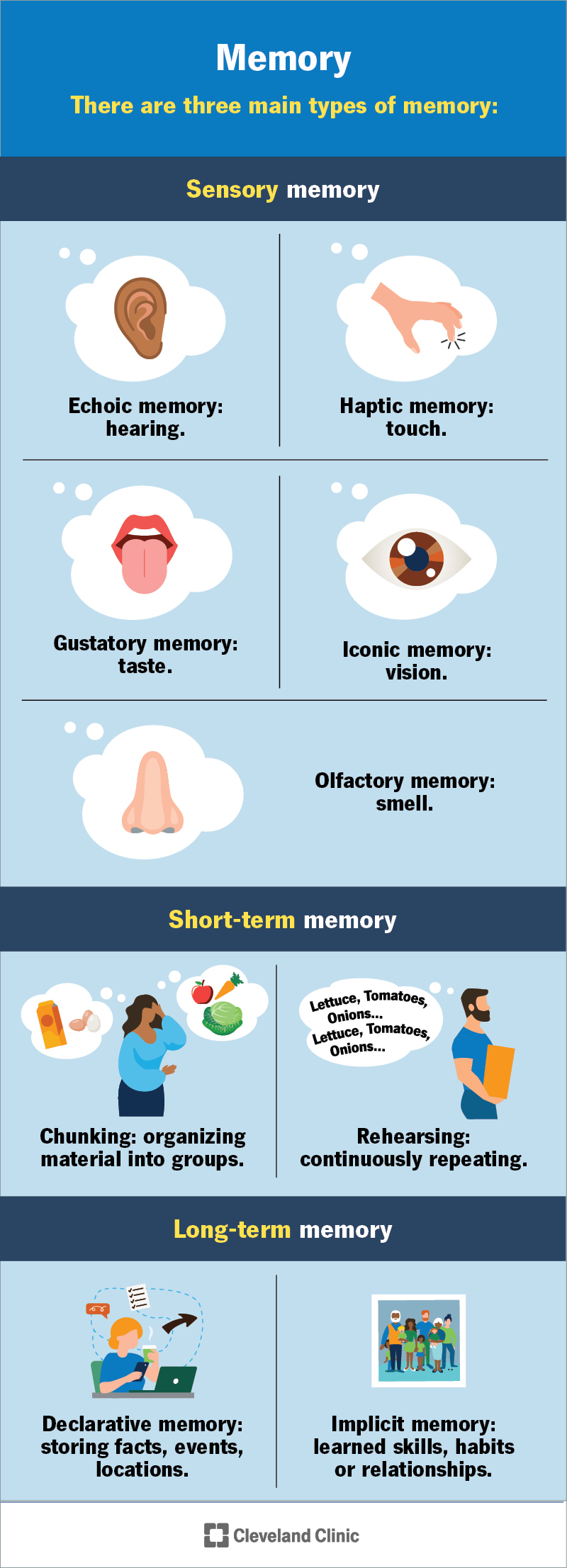
Every second, our senses are bombarded with an overwhelming amount of information—sights, sounds, smells, tastes, and textures. Sensory memory is the initial, very brief storage of this raw data. It lasts for only a couple of seconds at most. This stage acts as a filter, allowing our brain to select what's important enough to pay attention to. For example, the fleeting image of a car passing by is held in your iconic memory (vision), while the lingering sound of a snippet of conversation is held in your echoic memory (hearing).
H3: Short-Term and Working Memory: The Mental Workbench
Once you pay attention to a piece of sensory information, it moves into your short-term memory (STM). This is the brain's temporary holding area, with a limited capacity—traditionally thought to be around seven items, give or take two. Information here lasts for a few seconds to a minute unless it's actively rehearsed.
Closely related is the concept of working memory, a term refined by psychologists Alan Baddeley and Graham Hitch. Working memory isn't just a passive storage space; it's an active mental workbench where we manipulate and work with information. When you're solving a math problem in your head or figuring out the tip on a dinner bill, you're using your working memory.
H3: Long-Term Memory: The Vast Archive
Through processes like rehearsal and association, information can be transferred from short-term to long-term memory, which has a seemingly limitless capacity for storage. This is where we store everything from the capital of France to the memory of our first day of school. Long-term memory itself isn't a single entity; it's divided into two main types:
- Explicit (Declarative) Memory: This involves all the memories that are consciously available to us. It's the "knowing what." This category is further broken down into:
- Episodic Memory: Your personal experiences and life events, like your last birthday or a memorable vacation. It's the story of your life.
- Semantic Memory: Your storehouse of general knowledge and facts about the world, such as the knowledge that Paris is the capital of France or that a dog is a mammal.
- Implicit (Non-Declarative) Memory: This type of memory is unconscious and automatic. It's the "knowing how." This includes:
- Procedural Memory: The memory for skills and habits, like riding a bike or typing on a keyboard. You don't have to consciously think about the steps once you've learned them.
How Memories Are Made: The Neuroscience of a Thought
Creating a memory is a complex biological event that physically changes the brain. The process involves three key stages: encoding, storage, and retrieval. It all happens at the level of our brain cells, or neurons.

When we experience something, it triggers a unique pattern of neuronal activity. These neurons communicate with each other across tiny gaps called synapses, using chemical messengers called neurotransmitters. The formation of a memory involves strengthening the connections between these neurons. The more a particular neural pathway is activated, the stronger the synaptic connections become—a principle famously summarized by the phrase, "neurons that fire together, wire together."
This process of strengthening synapses is known as Long-Term Potentiation (LTP), and it is the fundamental mechanism by which our brains learn and remember.
The hippocampus, a seahorse-shaped structure deep in the temporal lobe, plays a crucial role in this process. It acts as a sort of memory-maker, taking new experiences from short-term memory and beginning the process of consolidating them into lasting long-term memories, which are then stored in various areas of the cortex.
Quick Facts
- The study of memory has ancient roots. Around 300 BC, Greek philosophers like Plato and Aristotle theorized that memory was like a wax tablet, with experiences etched onto its surface.
- The first systematic, scientific study of memory was conducted by German psychologist Hermann Ebbinghaus in the late 19th century. He famously used himself as a subject, memorizing lists of nonsense syllables to discover principles of forgetting and learning.
- The case of patient Henry Molaison (H.M.) in the 1950s revolutionized our understanding of memory. After having his hippocampus removed to treat epilepsy, he could no longer form new explicit memories, proving the hippocampus's critical role in memory formation.
- In 2000, Eric Kandel was awarded a Nobel Prize for his research on the molecular mechanisms of memory storage in neurons, studying the sea slug Aplysia.
Why We Forget: The Seven Sins of Memory
Forgetting is a normal and even necessary part of a healthy memory system. It allows us to discard irrelevant information and make room for new, more important memories. Psychologist Daniel Schacter categorized the common ways we forget and misremember into what he called the "seven sins of memory."
The Sins of Omission (Forgetting)
- Transience: This is the natural tendency to forget information over time. It follows the "use it or lose it" principle.
- Absent-Mindedness: This type of forgetting occurs when you don't pay close enough attention. It's the reason you might misplace your keys or forget an appointment.
- Blocking: This is the frustrating "tip-of-the-tongue" feeling when you know a piece of information but just can't retrieve it.
The Sins of Commission (Distortion and Inaccuracy)
- Misattribution: This happens when you remember something correctly but attribute it to the wrong source, time, or place.
- Suggestibility: This is the vulnerability of our memory to be influenced by information from others. Research by Elizabeth Loftus in the 1990s famously demonstrated how easily false memories can be implanted.
- Bias: Our current feelings, beliefs, and knowledge can distort our recollection of past events. We often edit our memories to fit our personal narratives.
- Persistence: This is the flip side of forgetting—the unwanted recall of traumatic or disturbing memories, a hallmark of conditions like PTSD.
Unlocking Your Brain's Potential: Science-Backed Ways to Remember More
The good news is that memory isn't fixed. Just as we can train our muscles, we can train our brains to remember more effectively. The key is to leverage our understanding of how memory works.

H3: Master the Encoding Process
How well you remember something starts with how well you learn it in the first place. This is the encoding phase. To strengthen encoding, you need to process information deeply.
- Elaborative Rehearsal: Don't just repeat information (rote rehearsal). Instead, connect it to knowledge you already have. Ask yourself questions about the material, explain it to someone else, or think about its meaning and implications. This is known as deep or semantic processing.
- Use Multiple Senses: The more senses you engage, the more pathways you create for that memory. Read information aloud, write it down by hand, watch a documentary about it, and discuss it.
- Chunking: Break down large amounts of information into smaller, more manageable chunks. This is why phone numbers and social security numbers are divided into smaller groups of digits.
H3: Harness the Power of Mnemonic Devices
Mnemonic devices are memory aids that help us link information we want to remember to something more easily recalled, like a phrase, image, or song.
A famous example is the Method of Loci, also known as the memory palace. This technique, dating back to ancient Greece, involves visualizing a familiar place (like your house) and "placing" the items you want to remember in specific locations within it. To recall the items, you simply take a mental walk through your palace. Neuroscientist Eleanor Maguire found that world memory champions have brains that are structurally no different from anyone else's; they just use techniques like this one very effectively.
Other popular mnemonics include acronyms (like ROY G. BIV for the colors of the rainbow) and acrostics (creating a sentence where the first letter of each word corresponds to the item you need to remember).
H3: Optimize Your Lifestyle for Brain Health
Your physical health and daily habits have a profound impact on your cognitive function and memory.
- Prioritize Sleep: Sleep is not downtime for the brain. It's when memory consolidation—the process of solidifying new memories for long-term storage—is most active. A lack of sleep severely impairs the hippocampus's ability to do its job.
- Get Moving: Physical exercise is one of the best things you can do for your brain. It increases blood flow to the brain and has been shown to increase the volume of the hippocampus, suggesting the creation of new neurons.
- Feed Your Brain: A diet rich in omega-3 fatty acids, antioxidants, and flavonoids (found in foods like fatty fish, blueberries, nuts, and leafy greens) supports brain health and can help protect against memory decline.
- Manage Stress: Chronic stress can be toxic to the brain. High levels of the stress hormone cortisol can damage the hippocampus and impair memory formation. Practices like meditation, yoga, and mindfulness can help mitigate these effects.
The Future of Memory
The quest to understand and enhance memory continues. Researchers are exploring everything from drugs that could boost memory formation to technologies like optogenetics, which uses light to control neurons and has been used to activate and even erase specific memories in animal studies. This research not only offers hope for treating memory disorders like Alzheimer's and dementia but also pushes the boundaries of what we know about the very essence of our identity.
From the fleeting echo of a sound to the cherished memories that define us, the journey of a memory through our brain is a remarkable biological saga. The forgotten name or misplaced keys are not signs of a failing mind but reminders of a complex, dynamic system at work. By understanding the architecture of our memory and embracing strategies that support its natural processes, we can move beyond the frustration of forgetting and actively cultivate a sharper, more resilient mind, ensuring that the stories of our lives are not just lived, but remembered.