
6
Learn More
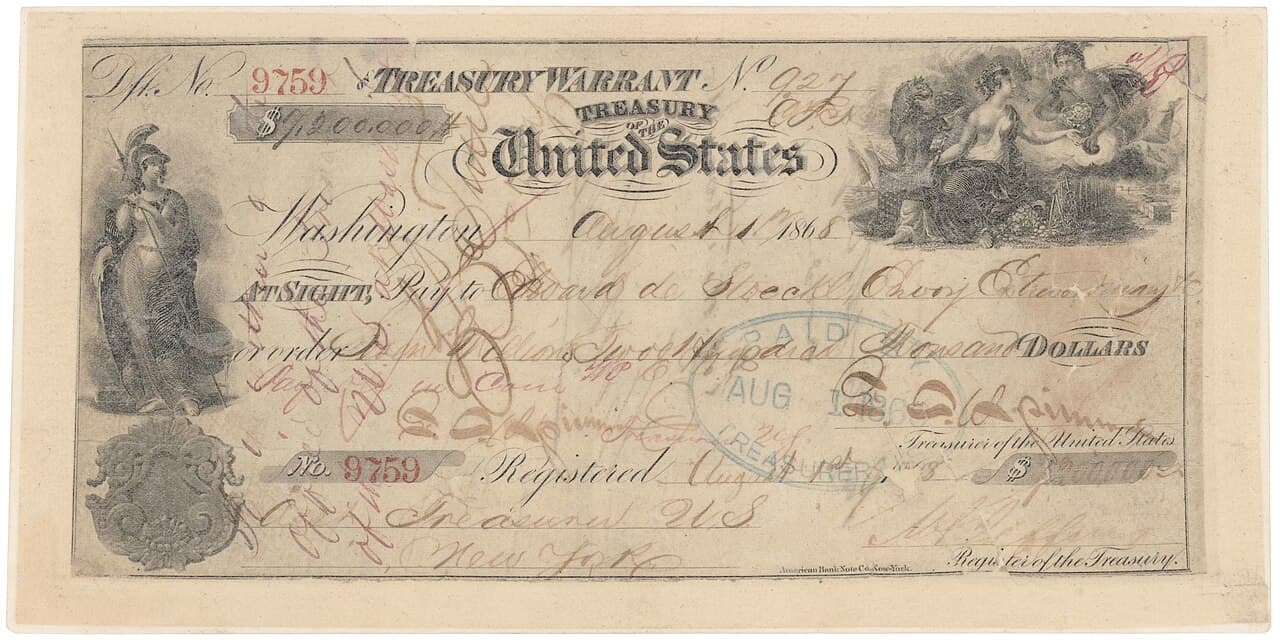
In 1867, the United States acquired the vast territory of Alaska from the Russian Empire for the sum of $7.2 million. The purchase was championed by Secretary of State William H. Seward, who was a fervent believer in American expansion. At the time, Russia was facing financial difficulties after its defeat in the Crimean War and feared it could not defend its remote North American colony from its rival, Great Britain. Selling the territory to the U.S. seemed a practical solution to cut their losses and create a buffer between British and Russian territories.
Despite the seemingly bargain price of about two cents per acre, the acquisition was not without its critics. Some journalists and politicians derided the deal, labeling the new territory "Seward's Folly" and "Seward's Icebox." These opponents viewed the remote, sparsely populated land as a frozen wasteland, a "polar bear garden" that had drained taxpayer money. This narrative of a widely unpopular purchase, however, is largely a historical myth, as many newspapers and a majority in the Senate actually supported the treaty, seeing potential for trade with Asia and the expansion of American influence.
The treaty was ultimately approved by the Senate, thanks in large part to the efforts of Senator Charles Sumner. For a time, the territory was largely ignored, and the purchase seemed questionable to some. However, this perception dramatically changed with the discovery of gold in the Klondike in 1896, which brought a rush of prospectors and settlers to the region. In the years that followed, the immense value of Alaska's natural resources, including fish, timber, and oil, became clear, proving the purchase to be an incredibly shrewd investment for the United States.
More Other Trivia Questions
20
What is the name of the grand prize given at the Cannes film festival?
20What is the name of the five-dice game where players try to create different combinations similar to poker hands?
20A number of years ago, what product was advertised by means of the slogan, "I can't believe I ate the whole thing" ?
20How long is one lap of the Indianapolis motor speedway?
20Most people have 20 of these, but in 1921 a boy born in England had 29 of them. What were they?
20The Wright brothers successfully flew an airplane in 1903 in what North Carolina location?