
9
Learn More
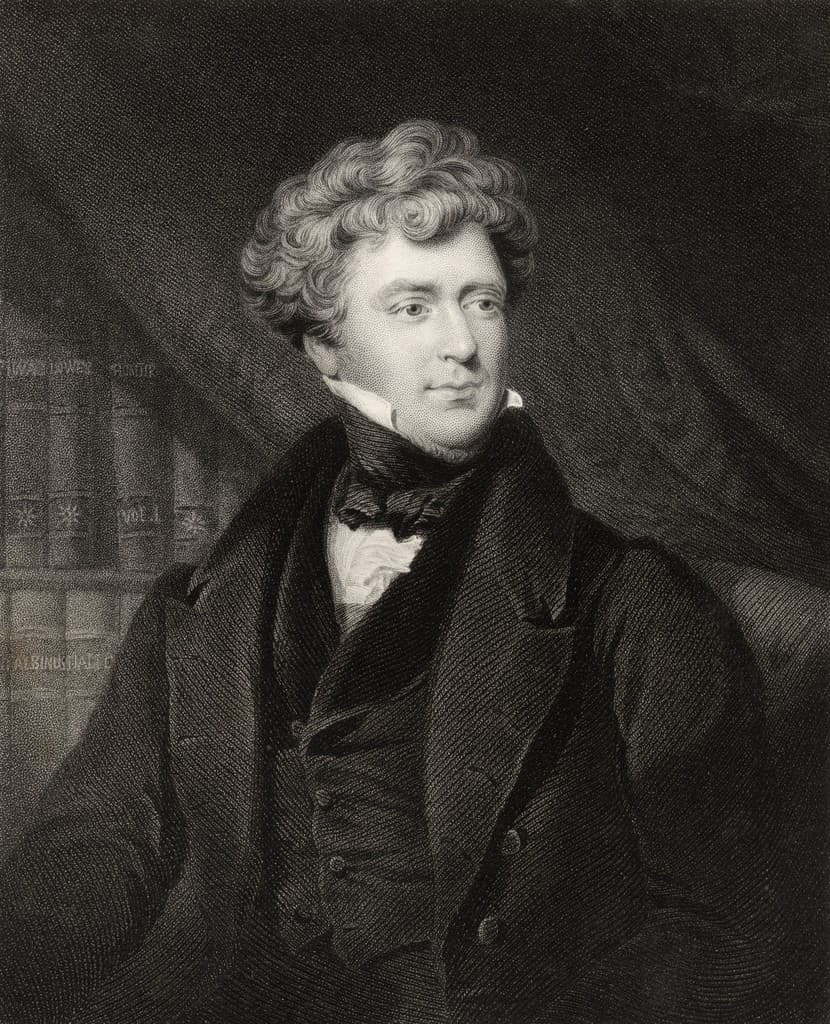
In the early 19th century, the act of transferring blood from one person to another was a desperate gamble, a last resort when a patient was on the verge of death. British obstetrician James Blundell was driven to this experimental procedure after witnessing numerous female patients succumb to postpartum hemorrhage. Inspired by successful experiments transfusing blood between dogs, he developed instruments and techniques for this life-saving intervention. In 1818, he performed the first successful human-to-human blood transfusion, using a syringe to transfer about four ounces of blood from a woman's husband to treat her severe bleeding after childbirth.
This pioneering work was undertaken without the fundamental knowledge of blood types, a discovery that would not be made until 1901 by Karl Landsteiner. Before this, transfusions were incredibly risky, with the mixing of incompatible blood types often leading to deadly immune reactions. Blundell himself performed 10 transfusions between 1825 and 1830, with only half of them proving beneficial to his patients. The successes were purely a matter of chance, occurring when the donor and recipient happened to have compatible blood.
The historical context of Blundell's achievement is significant, as it occurred during a period when bloodletting was still a common medical practice for a variety of ailments. His work marked a conceptual shift, viewing blood not as something to be removed, but as a vital fluid that could be replenished. While the widespread safety of blood transfusions had to await the scientific understanding of immunology, Blundell's audacious and sometimes successful attempts demonstrated the potential of this procedure to save lives and laid the groundwork for one of modern medicine's most critical practices.
Related Facts
75
65
64
59
56
54