

How Misattributed Quotes Spread Through History
The Quote That Never Was: A Universal Human Habit
“Let them eat cake.” We’ve all heard it. The phrase immediately conjures an image of Marie Antoinette, oblivious and insulated in her gilded palace, dismissing the starvation of the French peasantry. It’s the perfect soundbite to summarize the disconnect that fueled a revolution. There’s just one problem: there is no credible evidence she ever said it. In fact, versions of the tale were circulating long before she became queen, with the line first appearing in print in a book by Jean-Jacques Rousseau when Antoinette was just a child.
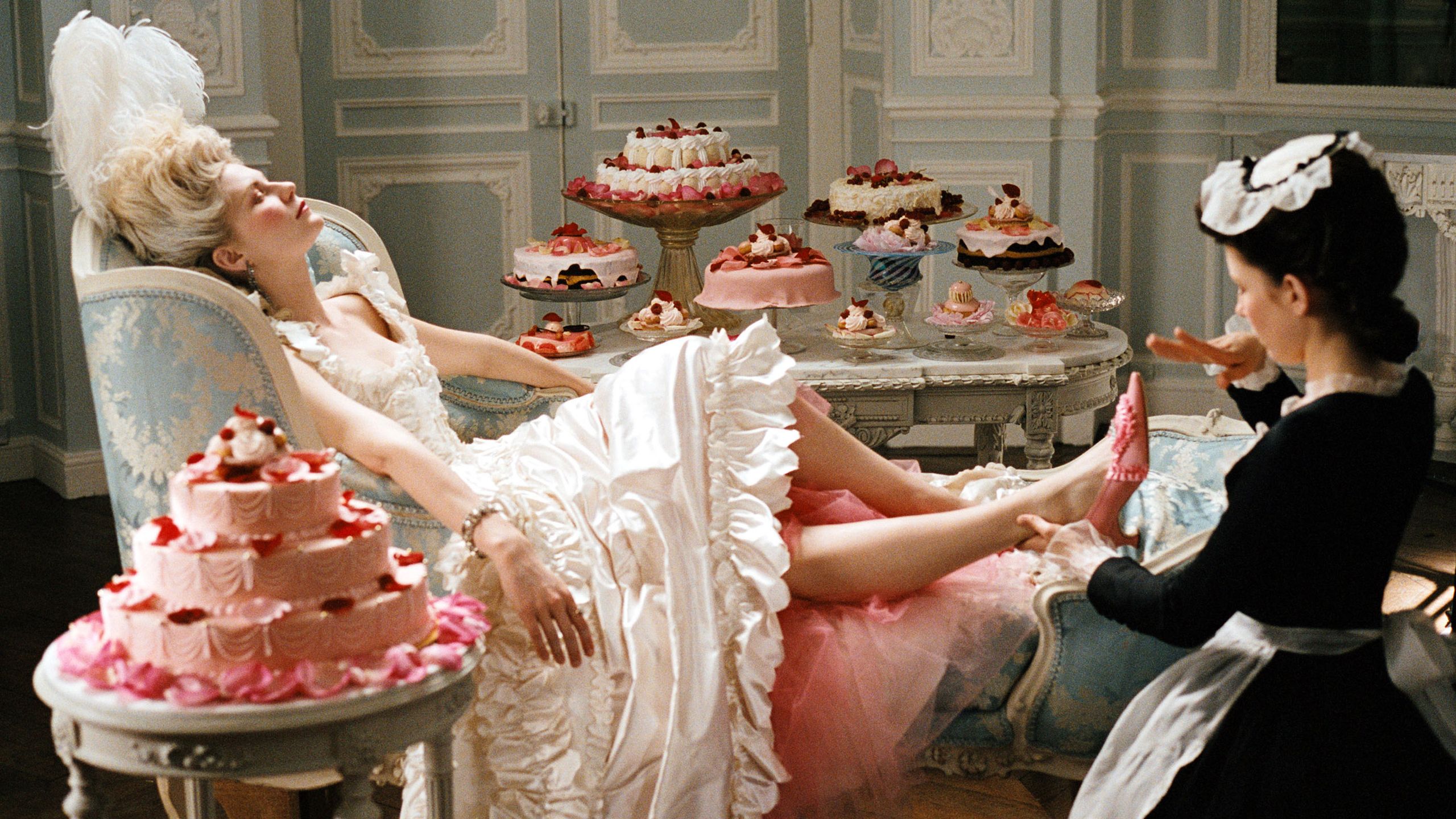
This is no isolated incident. History is littered with "facts" that are actually fictions, and pithy quotes from famous figures that they never actually uttered. From historical giants to pop culture icons, it seems no one is safe from having words put in their mouths. This phenomenon of misattribution is more than just a quirky bit of trivia; it’s a window into how we remember, how we tell stories, and how misinformation takes root and spreads like wildfire, from the age of parchment to the era of pixels.
Why do these phantom quotes have such staying power? And how did they travel through time before a "share" button could send them around the globe in seconds? It’s a fascinating journey through psychology, technology, and our collective need for a good, clean story—even if we have to invent it.
What Makes a Quote "Sticky"? The Anatomy of a Misattribution
Not every phrase is destined to be misattributed. For a quote to be falsely adopted and widely accepted, it usually needs a few key ingredients. These elements make it plausible, memorable, and useful, turning a simple string of words into a powerful piece of cultural shorthand.

The Ring of Truth
The most successful misquotes are the ones that feel true. They align perfectly with our preconceived notions of a historical figure's personality. We accept that Marie Antoinette said "Let them eat cake" because it fits the narrative of an out-of-touch monarch. It sounds like something she would say.
Similarly, the ruthless maxim, "The ends justify the means," is almost universally pinned on Niccolò Machiavelli. While he never wrote that exact phrase, his work The Prince explores the idea that rulers may need to commit acts considered immoral to maintain power for the greater good. The misquote is a succinct, if overly simplistic, summary of his political philosophy, so it sticks.
The Power of Simplicity
Famous figures often have complex ideas, but history loves a soundbite. A misquote often serves as a catchy, distilled version of a broader philosophy. Mahatma Gandhi, for instance, is widely credited with the elegant phrase, "Be the change you wish to see in the world." It’s a beautiful sentiment that perfectly encapsulates his teachings. However, the closest verifiable statement from him is much longer and more nuanced: “If we could change ourselves, the tendencies in the world would also change… We need not wait to see what others do.”
The shorter, punchier version is far more memorable and shareable, making it a more effective vehicle for the core idea, even if it's not a direct quotation.
The Appeal to Authority
Attaching a famous and respected name to a quote gives it instant credibility and weight. Winston Churchill, a master orator, is a "quotation magnet" for this very reason, attracting countless sayings he never uttered. Phrases like, “Success is not final, failure is not fatal: it is the courage to continue that counts,” are often attributed to him, but there is no record of him ever saying them. The actual origin is likely a 20th-century American football coach. By borrowing Churchill's authority, the quote gains a gravitas it might not otherwise have.
Quick Facts
- The iconic line "Beam me up, Scotty" was never said in the original Star Trek series. The closest Captain Kirk came was "Scotty, beam us up" or simply "Beam me up."
- Voltaire's supposed declaration, "I disapprove of what you say, but I will defend to the death your right to say it," was actually written by his biographer, Evelyn Beatrice Hall, in her 1907 book The Friends of Voltaire as a summary of his beliefs.
- The phrase "The only two certainties in life are death and taxes" is often credited to Mark Twain, but versions of it appeared in writings by Christopher Bullock in 1716 and Edward Ward in 1724, long before Twain was born.
- "Insanity is doing the same thing over and over and expecting different results" is frequently attributed to Albert Einstein. However, its earliest known appearance is in a 1981 Narcotics Anonymous pamphlet.
From Parchment to Pixels: A Timeline of Transmission
The journey of a misattributed quote has evolved dramatically over the centuries. What once required scribes, printers, and word-of-mouth has been supercharged by digital technology, but the fundamental process has remained surprisingly similar.
The Age of Scribes and Orators
Before the printing press, information was a fluid thing. Stories and sayings were passed down orally or copied by hand, leading to natural mutations. A paraphrase could easily become a direct quote over time. Julius Caesar's famous last words, "Et tu, Brute?" ("You too, Brutus?"), were immortalized by William Shakespeare, but Roman historians suggest he either said nothing or spoke in Greek. Shakespeare's version was simply better drama.
The Print Revolution
The invention of the printing press in the 15th century helped to standardize texts, but it also became a powerful tool for solidifying errors. Once a misquote appeared in a popular book, biography, or newspaper, it gained an air of authority that was difficult to challenge. Early biographies were often more concerned with capturing the "spirit" of their subject than with strict factual accuracy, making them fertile ground for misattributions to take root.
The Digital Wildfire
The internet, and social media in particular, has become the ultimate accelerant for misquotes. The rapid, frictionless sharing of information has created an environment where context is often stripped away, and verification is an afterthought. A visually appealing graphic with a quote plastered over a famous person's face can be created and shared by millions in a matter of hours, regardless of its authenticity.
A lie can travel halfway around the world while the truth is putting on its shoes.
Ironically, this very quote, which perfectly describes the modern digital landscape, is itself often misattributed to Mark Twain or Winston Churchill. It appears to be an older proverb with no definitive single author, proving that the problem has been with us for a long, long time.
The Brain's Betrayal: Why We Fall for Fake Quotes
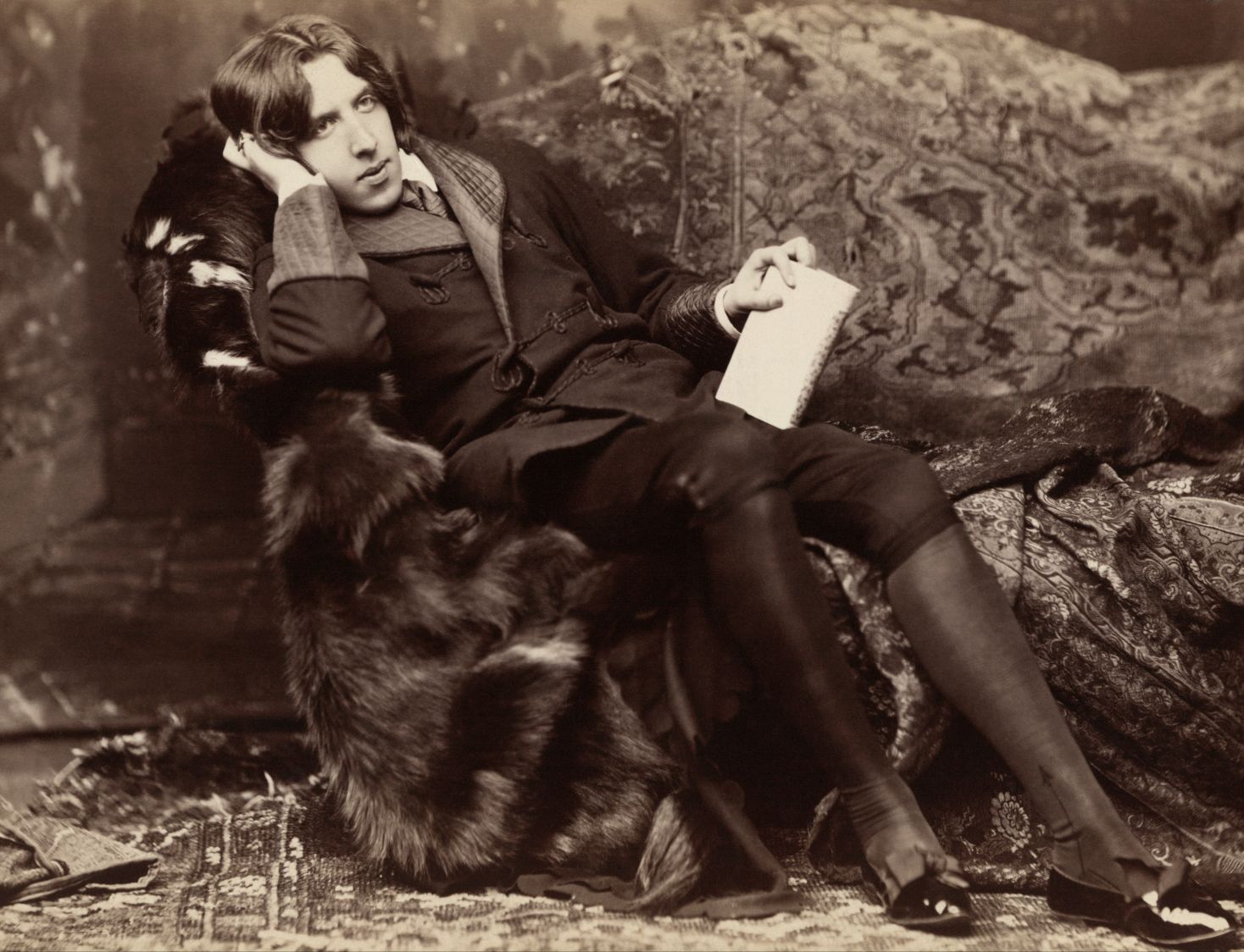
The spread of misattributed quotes isn't just a failure of technology or historical records; it's deeply rooted in the quirks of human psychology. Our brains are built with mental shortcuts, or cognitive biases, that make us susceptible to believing and repeating false information.
Confirmation Bias
One of the most powerful biases at play is confirmation bias. This is our natural tendency to favor and seek out information that confirms our existing beliefs. If we already believe a certain politician is corrupt or a celebrity is unintelligent, we are far more likely to accept a negative quote attributed to them without question. It fits the story we're already telling ourselves.
Source Amnesia
Have you ever remembered a fun fact but had no idea where you heard it? That's a common cognitive glitch known as source amnesia. Our brains are often better at retaining the "what" (the information itself) than the "where" (the source of the information). We might read a quote on a random blog, forget the source, and later recall the quote as if it came from a more reliable context, like a history book or a documentary.
The "Truthiness" Effect
Repetition breeds belief. The more we are exposed to a piece of information, the more likely we are to believe it's true, a phenomenon sometimes called the "illusory truth effect." When a misquote is repeated endlessly in books, movies, and social media feeds, it starts to feel familiar and, therefore, factual. It has a certain "truthiness" that makes it easy to accept.
Does It Really Matter? The Consequences of Getting It Wrong
It's easy to dismiss misquotes as harmless fun, but they can have real-world consequences. Words shape perception, and attributing words to the wrong person can distort our understanding of history, warp a person's legacy, and be used to manipulate public discourse.
For example, using a fake quote to lend the authority of a Founding Father to a modern political argument is a common tactic. It hijacks the credibility of a respected historical figure to score points in a contemporary debate. Over time, this can paint a false picture of what these individuals believed and stood for.
Misquotes can also do a great disservice to the person being misquoted. They can make them seem wittier, crueler, or more foolish than they actually were, flattening a complex human being into a caricature. The real Marie Antoinette, for instance, was by many accounts concerned with the plight of the poor, a nuance completely lost in the "Let them eat cake" narrative.
The Detective's Toolkit: How to Spot a Fake
In an age of information overload, being a skeptical consumer of quotes is a crucial skill. Before you share that inspiring image macro, take a moment to play detective. Here are a few simple steps you can take:

- Consider the Source: Is the quote from a reputable source, like a scholarly work or a primary document? Or is it from a social media post, a meme, or an unsourced website? Be wary of information that has no clear origin.
- Check Reliable Databases: Websites like Quote Investigator, Wikiquote, and other fact-checking organizations dedicate themselves to tracking down the origins of famous sayings. A quick search can often reveal whether a quote is legitimate, a paraphrase, or completely fabricated.
- Analyze the Language: Does the language of the quote fit the time period and the person it's attributed to? Anachronisms in vocabulary or style can be a red flag.
- Look for the Original Context: Quotes are often cherry-picked from longer texts, and their meaning can be twisted when isolated. Finding the original speech, letter, or interview can reveal if the quote is being used accurately.
Back to the Beginning: The Enduring Power of a Good Story
So, we return to Marie Antoinette and her phantom cake. The quote has survived for centuries not because it's true, but because it's a perfect story. In five simple words, it encapsulates the arrogance of power and the justification for revolution. It's a narrative that is far more compelling than the complex, messy truth.
Misattributed quotes thrive because they serve a human need. They simplify complex ideas, reinforce our biases, and make for better stories. They add a touch of wit, authority, or drama where none may have existed. While the internet has made their spread instantaneous, the underlying reasons we create, share, and believe them are as old as language itself.
The next time you see a powerful quote from a famous figure, take a moment to pause. Appreciate the sentiment, but question the source. In doing so, you're not just being a responsible consumer of information—you're honoring the truth of history and the real voices of the people who shaped it.