

The History of Halloween and Its Pagan Roots
Picture this: the air grows crisp, leaves crunch underfoot, and a mischievous grin seems to be carved into the very face of the moon. It's that time of year again. A time for spooky stories, outrageous costumes, and a quest for candy that borders on the epic. But have you ever stopped to wonder, amidst the plastic skeletons and pumpkin-spiced everything, where Halloween actually comes from? The answer, like a ghost in the attic, has been lurking in the shadows of history for over 2,000 years.
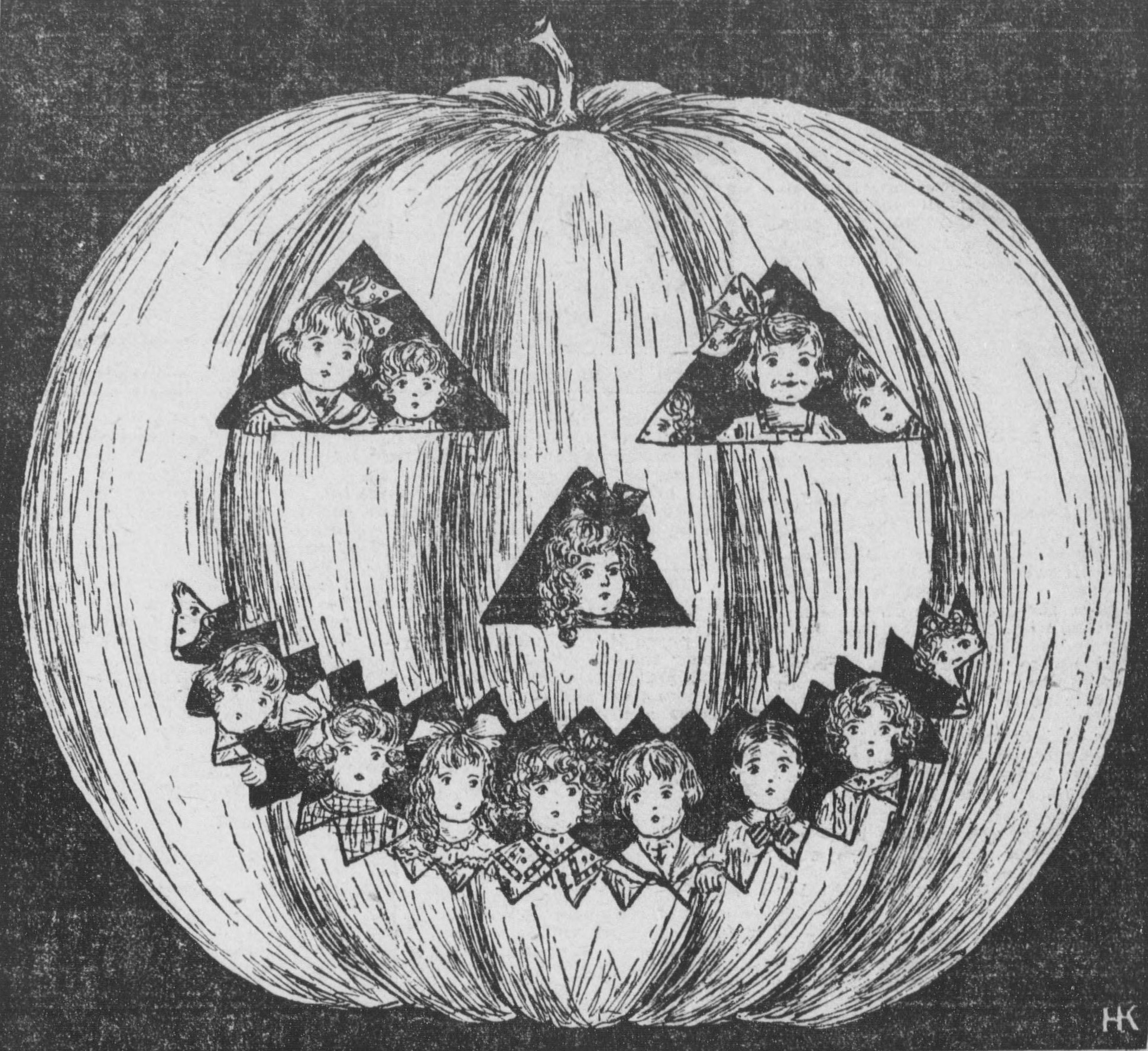
Before it was a night of trick-or-treating and horror movie marathons, Halloween was an ancient Celtic festival known as Samhain (pronounced "sow-in"). This wasn't just a party; it was a profound spiritual event that marked the end of the harvest and the beginning of winter—the "darker half" of the year. For the Celts, who inhabited the regions of modern-day Ireland, the United Kingdom, and northern France, November 1st was their New Year's Day.
The Ancient Roots: A Festival Called Samhain
Samhain was a festival of transitions. It was a time suspended between the end of the old year and the beginning of the new, a liminal space where the ordinary rules of time and nature were thought to be suspended. This unique status had immense implications for the Celtic people.
When the Veil Thins
The most significant belief associated with Samhain was that the boundary between the world of the living and the Otherworld became porous. This "thinning of the veil" allowed spirits, both benevolent and malevolent, to pass through and walk the earth. It was a time when the natural order was thrown into chaos, and the earthly realm became entangled with the world of gods, fairies, and the spirits of the departed.
Families would honor their ancestors, inviting them home with offerings of food and drink, while simultaneously taking precautions to ward off harmful spirits. This belief in the return of spirits is the ancient seed from which many of our modern Halloween traditions have grown.
Bonfires, Costumes, and Rituals
To commemorate Samhain, Celtic priests known as Druids would build enormous sacred bonfires. These fires were central to the celebration, serving both protective and cleansing purposes. People would gather to burn crops and, in some cases, animals as sacrifices to the Celtic deities, hoping to secure their favor for the coming winter.
The traditional Halloween colors of black and orange also trace back to Samhain. For the Celts, black represented the "death" of summer, while orange symbolized the vibrant autumn harvest season.
To avoid being recognized and bothered by the roaming spirits, the Celts would wear costumes and masks, often made from animal heads and skins. The idea was to disguise themselves as fellow spirits to be left alone. This ancient practice is a clear precursor to today's Halloween costumes.
Divination was also a key component of Samhain. The presence of otherworldly spirits was believed to make it easier for Druids to make predictions about the future, offering comfort and guidance to a community entirely dependent on the natural world.
Roman and Christian Influences Reshape Tradition
The ancient ways of the Celts did not exist in a vacuum. Over centuries, new cultures and religions arrived, leaving their indelible mark on the festival of Samhain.

The Roman Conquest
By 43 A.D., the Roman Empire had conquered most of the Celtic lands. During their 400-year rule, two Roman festivals were combined with the traditional celebration of Samhain.
- Feralia: This was a day in late October when the Romans traditionally commemorated the passing of the dead.
- Pomona: This festival honored Pomona, the Roman goddess of fruit and trees. Her symbol was the apple, and the incorporation of this celebration into Samhain likely explains the origin of the tradition of bobbing for apples.
The Arrival of Christianity
As Christianity spread into Celtic lands, the church made a concerted effort to supplant pagan holidays with Christian observances. In the eighth century, Pope Gregory III moved All Saints' Day, a day to honor saints and martyrs, from May 13 to November 1. It is widely believed that this was a deliberate attempt to replace the Celtic festival of the dead with a church-sanctioned holiday.
The evening before All Saints' Day became known as All Hallows' Eve, which was eventually contracted to "Halloween." Later, in the year 1000 A.D., the church designated November 2nd as All Souls' Day, a day to honor all the dead. This day was celebrated with bonfires, parades, and dressing up in costumes as saints, angels, and devils, mirroring many of the ancient Samhain traditions.
Quick Facts
- The name "Halloween" is a contraction of "All Hallows' Eve," the evening before the Christian holiday of All Saints' Day.
- The earliest proto-Halloween celebrations likely featured literal bats, which were attracted to the insects drawn by the large Samhain bonfires.
- Modern Wiccans and other neopagans still celebrate Samhain as a religious holiday, honoring ancestors and marking the turn of the year.
- The Mound of the Hostages on the Hill of Tara in Ireland, a 5,000-year-old passage tomb, is aligned with the rising sun around Samhain, suggesting the festival's ancient origins predate the Celts.
Halloween Crosses the Atlantic
The Halloween traditions we know today are a distinctly American invention, born from the cultural melting pot of the 19th century. The arrival of large numbers of Irish and Scottish immigrants, particularly during the great potato famine, brought these old-world customs to the United States.
From Turnips to Pumpkins: The Jack-O'-Lantern
The iconic jack-o'-lantern has its roots in an Irish folktale about a man named "Stingy Jack." According to the legend, Jack tricked the Devil for his own gain. When he died, God wouldn't allow him into heaven, and the Devil, keeping his promise not to take his soul, wouldn't let him into hell.
Jack was condemned to roam the earth for eternity with only a burning coal inside a carved-out turnip to light his way. The Irish and Scottish people began to carve their own demonic faces into turnips, beets, and potatoes to frighten away Jack's wandering soul. When these immigrants arrived in America, they found the native pumpkin to be a much larger and easier canvas for their creations, and the modern jack-o'-lantern was born.
The Birth of Trick-or-Treating
The practice of going door-to-door for treats has several potential origins. Some trace it back to the Samhain tradition of leaving food out to appease the spirits. Others point to the medieval European practice of "souling," where the poor would go door-to-door on All Souls' Day, offering prayers for the dead in exchange for "soul cakes."
In America, these customs blended and evolved. Initially, Halloween was a time for community gatherings, parties, and mischief-making. By the 1920s and 30s, however, organized trick-or-treating began to emerge as a way to curb the pranks and vandalism that had become common. It offered a more family-friendly, community-centered way to celebrate, and by the 1950s, it had become a widespread American tradition.
A Modern Holiday with Ancient Echoes
Today, Halloween is one of the most commercially successful holidays in the United States. The focus has shifted dramatically from its spiritual and superstitious roots to a celebration of all things fun and spooky. Elaborate costumes, haunted houses, and themed parties are now the norm.
Yet, even in its modern, secularized form, the echoes of Samhain remain. The costumes we wear are a distant memory of the Celts' disguises to confuse spirits. The jack-o'-lantern on the porch is a descendant of the lanterns used to ward off evil. And the thrill of a ghost story told in the dark connects us to that ancient belief in a time when the veil between worlds is at its thinnest.
Conclusion: The Spirit of Samhain Lives On
So, as you step out into the crisp autumn night, remember the long and winding history that brought us this peculiar and beloved holiday. The plastic skeletons and bags of candy are but the latest chapter in a story that began over two millennia ago around a crackling bonfire in ancient Ireland. The spirit of Samhain, with its fascination with the harvest, the changing seasons, and the mysterious boundary between life and death, is still very much alive. It’s a reminder that even in our modern world, there's a part of us that still enjoys peering into the shadows, just to see what might be looking back.