

The Most Interesting Untranslatable Words
Have you ever felt a pang of longing for a place you’ve never even been? Or the quiet joy of watching sunlight filter through the leaves of a forest canopy? If you’ve struggled to articulate these specific, nuanced feelings in English, you’re not alone. Every language is a unique ecosystem of ideas and emotions, and sometimes, a single, perfect word in one language can encapsulate a concept that takes an entire sentence to explain in another. These are the world’s most fascinating “untranslatable” words.
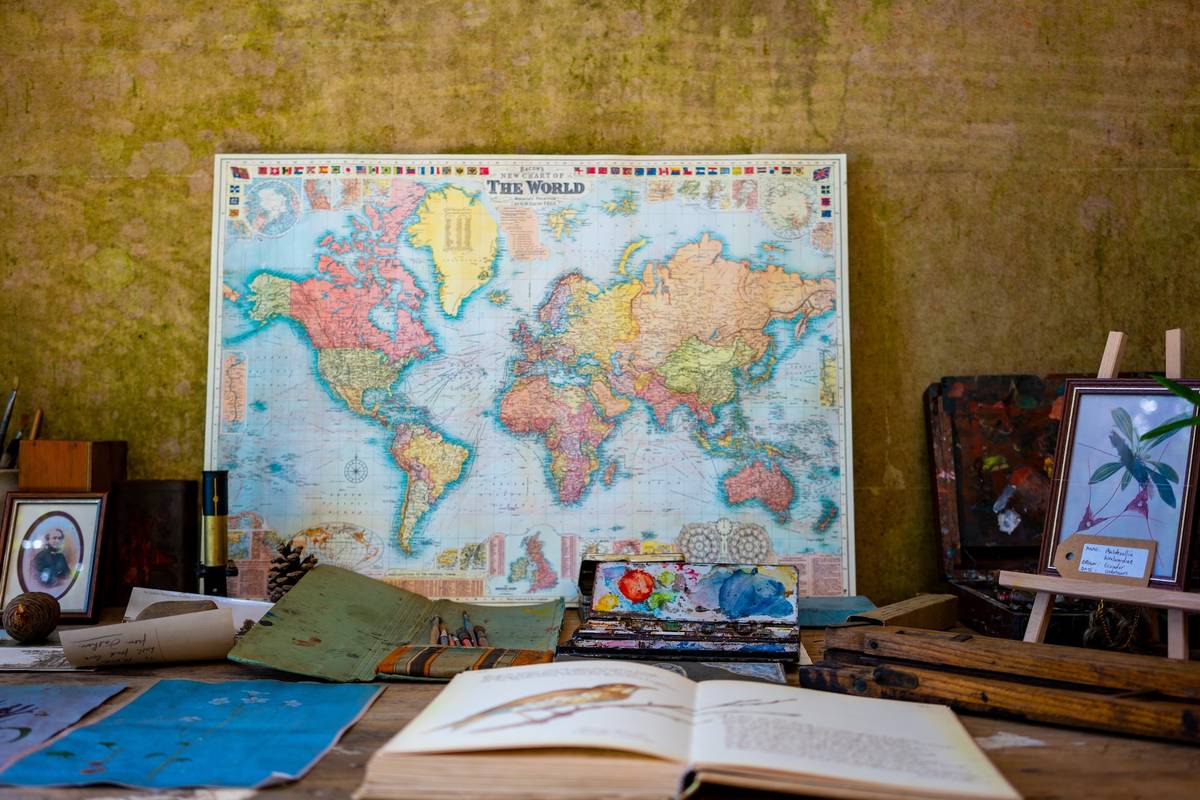
Of course, “untranslatable” doesn’t mean the idea can’t be explained. It simply means there’s no single, direct equivalent in English. These words are like tiny windows into other cultures, revealing what a society values, how its people relate to each other, and the way they perceive the world around them. They are linguistic treasures that can enrich our own emotional vocabulary and deepen our understanding of the shared human experience.
Let's take a journey across the globe and explore some of the most beautiful, complex, and intriguing words that don't have a simple English counterpart.
The Bittersweet Ache of Longing and Love
Some of the most powerful untranslatable words grapple with the complex emotions of love, loss, and deep, melancholic longing. They capture feelings that are universally understood yet often difficult to name.
Saudade (Portuguese)
Perhaps one of the most famous untranslatable words, saudade is a profound, melancholic longing for an absent someone or something that one loves. It’s a bittersweet feeling, a mix of nostalgia, love, sadness, and desire for what might never return. The concept is deeply woven into Portuguese and Brazilian culture, often associated with the country's maritime history of explorers leaving loved ones behind. A. F. G. Bell, in his 1912 book In Portugal, described it as "a vague and constant desire for something that does not and probably cannot exist... an indolent dreaming wistfulness."
Hiraeth (Welsh)
Similar to saudade, hiraeth is a Welsh word that describes a homesickness for a home to which you cannot return, or one that never was. It’s a blend of longing, nostalgia, and grief for the lost or departed. It evokes a deep connection to one's homeland and a romanticized past, a feeling that resonates deeply within Welsh history and identity.
Ya'aburnee (Arabic)
This powerful Arabic word is both beautiful and morbid. It translates literally to "you bury me," but it expresses the hope that you will die before a loved one because it would be too unbearable to live without them. It's a profound declaration of love, encapsulating a depth of attachment that is both heartbreaking and deeply moving.
The Quiet Joy of Nature and Solitude
Many cultures have a unique vocabulary for the subtle, profound experiences we have in nature. These words highlight a deep reverence for the natural world and the peace it can bring.

Komorebi (Japanese)
This beautiful Japanese word refers specifically to the sunlight that filters through the leaves of trees. The word is a compound of the characters for tree (木), to leak or filter through (漏れ), and sun (日). It captures not just the visual effect of dappled light but also the feeling of tranquility and wonder that this experience evokes. It’s a common word in everyday Japanese, which speaks to a cultural appreciation for the subtle beauties of nature.
Waldeinsamkeit (German)
Literally translating to "forest loneliness," Waldeinsamkeit describes the feeling of being alone in the woods. However, it’s not a negative loneliness; rather, it’s a sense of solitude, peace, and a deep, spiritual connection with nature. It’s the feeling of being a small part of a vast, ancient ecosystem, a concept so potent that it inspired a poem by Ralph Waldo Emerson.
Gökotta (Swedish)
A word for the early risers and nature lovers, gökotta means to wake up early in the morning with the purpose of going outside to hear the first birds sing. It embodies the quiet magic of dawn and the simple, profound pleasure of listening to the world awaken.
Quick Facts
- There are over 7,000 languages spoken in the world today.
- The Yaghan language of Tierra del Fuego gives us mamihlapinatapai, listed in The Guinness Book of World Records as the "most succinct word." It refers to a wordless, meaningful look between two people who both desire to initiate something but are reluctant to do so.
- The German language is famous for its long compound nouns, which often create wonderfully specific, untranslatable words.
The Complexities of Human Connection
From the comfort of togetherness to the specific pain of a bad joke, these words delve into the intricate and often humorous nuances of our social lives.
Hygge (Danish)
Pronounced "hoo-gah," hygge has become internationally recognized, but its essence remains uniquely Danish. It describes a quality of coziness, comfort, and conviviality that creates a feeling of contentment and well-being. Think of warm candlelight, good friends, a hot drink, and a feeling of safety and togetherness. Though the word originated from an Old Norse term meaning "to comfort," the Danes have elevated it into a cornerstone of their cultural identity.
Sobremesa (Spanish)
In many cultures, the meal ends when the food is gone. But in Spain, that’s when the sobremesa begins. This word refers to the time spent at the table after a meal, talking and enjoying the company of the people you ate with. It values conversation and connection as much as the food itself, a cultural ritual that prioritizes relationships.
Schadenfreude (German)
Another German word that has been adopted into English, schadenfreude describes the pleasure derived from witnessing someone else's misfortune. It's a compound of Schaden (damage, harm) and Freude (joy). While it might seem like a malicious emotion, psychologists suggest it can stem from various contexts, such as seeing a rival fail or believing that someone is getting a deserved punishment. It’s a universally experienced, if not always admitted, human emotion.
Philosophies of Life and Being
Some untranslatable words are so profound they represent an entire worldview or aesthetic philosophy, offering a different lens through which to see life itself.
Wabi-Sabi (Japanese)
Rooted in Zen Buddhism, wabi-sabi is a Japanese aesthetic concept centered on the acceptance of transience and imperfection. It’s about finding beauty in things that are "imperfect, impermanent, and incomplete." Wabi originally related to the loneliness of living in nature, while sabi meant something that was old and worn. Over time, these concepts evolved to represent a positive appreciation for rustic simplicity, natural processes, and the beauty of flaws and aging.
Iktsuarpok (Inuit)
This Inuit word captures a very specific feeling of anticipation and impatience. It describes the act of repeatedly going outside to check if someone you are expecting is arriving. It’s a feeling born from a culture where waiting for visitors, perhaps hunters returning from a long and perilous journey, was a significant and anxious part of life.
Litost (Czech)
Brought to literary fame by author Milan Kundera, litost is a Czech word for a state of torment and agony created by the sudden sight of one's own misery. Kundera described it as a feeling that arises when we are reminded of our own inadequacy or unfortunate circumstances, often in a humiliating way. It’s a complex blend of grief, sympathy, and remorse.
Conclusion: A World of Words
Exploring these untranslatable words does more than just expand our vocabulary; it expands our world. It reminds us that our own language, as vast as it is, doesn't hold all the answers. These unique terms show us that every culture has a distinct way of seeing, feeling, and categorizing the world, creating words for the moments, emotions, and concepts they hold dear.
The next time you find yourself watching the sunlight dance through the trees or feel a deep, inexplicable longing for a place you've only dreamed of, you'll know there's a word for that. These words are an invitation to pay closer attention to the nuances of our own lives and to appreciate the incredible diversity of human experience, one beautiful, untranslatable word at a time.