

The Psychology of Collecting and Why We Hoard Things
The Urge to Acquire: A Peek Inside the Collector's Mind
Have you ever found yourself inexplicably drawn to a particular object? Maybe it was a vintage postcard, a uniquely shaped seashell, or a brightly colored comic book. For many, this is a fleeting moment of appreciation. But for a significant portion of the population, it's the spark that ignites a lifelong passion: collecting. It's a human behavior that transcends culture and time, from the "cabinets of curiosities" of Renaissance Europe to the modern-day enthusiast hunting for rare Funko Pops. But what is it that drives this desire to accumulate, organize, and cherish objects? And when does this seemingly harmless hobby cross the line into a debilitating condition?

A History of Human Accumulation
The act of collecting is deeply rooted in our history. Early humans gathered resources beyond their immediate needs, a behavior that likely offered an evolutionary advantage. This instinct to gather and store may have been crucial for transitioning from nomadic lifestyles to settled agricultural communities. Archaeological evidence suggests that even in the Middle Paleolithic age, individuals had personal collections of valued objects, indicating that this behavior goes beyond mere survival.

Throughout history, collecting has often been associated with the affluent and powerful. In ancient Mesopotamia, royalty and elites were known to have collections. The famed Library of Alexandria, established by the Ptolemaic dynasty in Egypt, was a monumental effort to collect the world's knowledge. During the Renaissance, influential families like the Medicis in Florence became pivotal patrons of the arts, amassing vast collections that supported artists like Michelangelo and Leonardo da Vinci. These early collections often served as displays of power and status.
The 17th century saw the rise of "cabinets of curiosities," where aristocrats would display an eclectic mix of artworks, historical artifacts, and scientific specimens. These private showcases were the precursors to modern public museums. The 19th century, with its increase in mass-produced goods, made collecting a more accessible hobby for the general public. Hobbies like stamp collecting, which began shortly after the first postage stamp appeared in 1840, became immensely popular.
The Psychology Behind the Passion: Why We Collect
So, what are the modern-day psychological drivers that compel us to collect? The motivations are multifaceted and deeply personal, often a blend of several factors.
The Thrill of the Hunt
For many, the excitement lies in the search itself. The "thrill of the hunt" activates the brain's pleasure centers, with the anticipation of acquiring a desired item often being more potent than the actual possession. This pursuit provides a sense of purpose and achievement as collectors overcome challenges to find that rare or missing piece.
A Connection to the Past and Self
Collections often serve as tangible links to our personal and collective past. Objects can evoke powerful feelings of nostalgia, reminding us of our childhood or significant life events. This emotional connection can provide comfort and a sense of continuity. Furthermore, our collections can become an extension of our identity, reflecting our interests, values, and who we are.
Order in a Chaotic World
In a world that can often feel unpredictable, collecting offers a sense of control and order. The acts of sorting, cataloging, and arranging a collection provide a structured and manageable universe that can be deeply satisfying for those who feel overwhelmed by daily life.
Quick Facts
- The first known museum, Ennigaldi-Nanna's museum, was built in Ur around 500 BCE and housed Mesopotamian artifacts.
- Stamp collecting is one of the world's most popular hobbies and began shortly after the first postage stamp was issued in 1840.
- Some studies suggest that 30-40% of the population engages in some form of collecting.
- Hoarding disorder affects an estimated 2.6% of the population.
Social Connection and Community
While often seen as a solitary pursuit, collecting can be a very social activity. Collectors often form communities, sharing knowledge, competing, and fostering a strong sense of belonging. The internet has made it easier than ever for these niche communities to connect and thrive.
The Mental Health Benefits
Engaging with a collection can be a form of mindfulness, providing a welcome distraction from daily stressors and promoting relaxation. The focus required to research and organize a collection can reduce anxiety and improve cognitive function. For some, collecting can even provide a sense of purpose and achievement, which can be particularly beneficial for those struggling with depression.
When Collecting Becomes a Compulsion: The Line Between Hobby and Hoarding
While collecting is generally a healthy and rewarding hobby, for some, the urge to acquire and keep items can spiral out of control, leading to hoarding disorder. It's crucial to understand the distinction between a passionate collector and someone struggling with this mental health condition.

Defining Hoarding Disorder
Hoarding disorder is characterized by a persistent difficulty in discarding or parting with possessions, regardless of their actual value. This difficulty stems from a perceived need to save the items and the distress associated with getting rid of them. The accumulation of possessions clutters living spaces to the point where they can no longer be used for their intended purpose.
Key Differences Between Collecting and Hoarding
The primary distinction lies in organization and intent. Collectors are typically systematic and purposeful in their acquisitions, curating and organizing their items with care. They often proudly display their collections. In contrast, hoarding is often chaotic and haphazard, with no clear theme or purpose. The accumulated items are usually in disarray, leading to cluttered and often unsafe living conditions.
Hoarding is not the same as collecting. Collectors typically acquire possessions in an organized, intentional, and targeted fashion... In contrast to the organization and display of possessions seen in collecting, disorganized clutter is a hallmark of hoarding disorder.
Another key difference is the emotional attachment to the objects. While collectors have an emotional connection to their items, it's usually tied to the joy of collecting and the significance of the items. For individuals with hoarding disorder, the attachment is often more intense and indiscriminate, and they may see the objects as extensions of themselves. They often experience extreme stress at the thought of discarding items.
The Mind of a Hoarder: Underlying Psychological Factors
Hoarding disorder is a complex condition with deep psychological roots. It's not a matter of laziness or choice, but a mental health issue that requires understanding and professional help.
Emotional Attachments and Trauma
People with hoarding disorder often form strong emotional attachments to their possessions, believing an item will be useful in the future, has sentimental value, or will help them remember an important person or event. These objects can provide a sense of safety and comfort. The onset of hoarding symptoms is often associated with stressful or traumatic life events, such as a death of a loved one or a divorce.
Brain Function and Decision-Making
Neurobiological research suggests that hoarding behavior can be linked to abnormalities in the brain, particularly in the prefrontal cortex, which is responsible for decision-making, information processing, and organization. Brain scans of individuals with hoarding disorder have shown unusual activity in these areas when faced with decisions about their possessions. This can lead to indecisiveness, perfectionism, and procrastination, which contribute to the clutter.
Famous Collectors Through the Ages
History is filled with individuals whose passion for collecting left a lasting legacy.
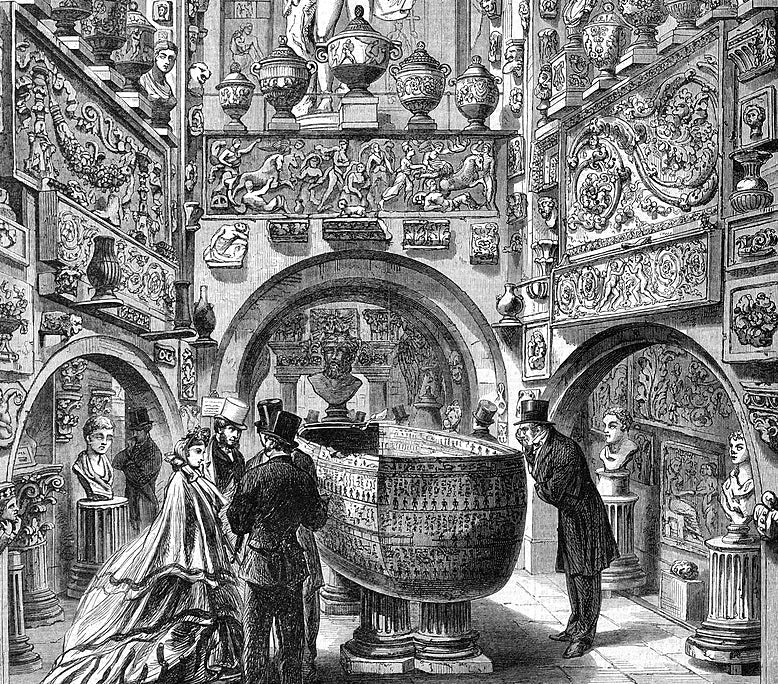
- The Medici Family: This powerful Italian banking family of the Renaissance were instrumental in the art world, patronizing artists like Michelangelo and Leonardo da Vinci.
- Catherine the Great: The longest-ruling female monarch of Russia established the renowned Hermitage Museum, which began with her personal art collection.
- Peggy Guggenheim: A prominent art collector in the 20th century, her collection, housed in Venice, includes works by avant-garde artists like Picasso and Dalí.
- Gertrude Vanderbilt Whitney: An American sculptor and collector, she founded the Whitney Museum of American Art in 1931 to support American artists.
Finding Help and Moving Forward
For those who recognize hoarding tendencies in themselves or a loved one, it's important to know that help is available. Hoarding disorder is a treatable condition.
Therapeutic Approaches
The most common and effective treatment for hoarding disorder is Cognitive Behavioral Therapy (CBT). A therapist specializing in hoarding can help individuals understand their beliefs and behaviors related to acquiring and saving items, and develop skills for sorting and discarding possessions.
The Role of Support
Family and friends can play a crucial supportive role, but it's important to approach the situation with empathy and understanding. Arguing about discarding items is often counterproductive. Instead, encouraging the individual to seek professional help and offering support throughout the treatment process is key.
Conclusion: From Passion to Problem and Back
The line between a passionate collector and an individual struggling with hoarding can be fine, but the distinction is critical. Collecting, in its healthiest form, is an enriching and joyful pursuit that connects us to history, community, and ourselves. It's a testament to our innate curiosity and desire to create order and meaning. However, when the urge to acquire and the inability to let go begin to negatively impact a person's life and living space, it crosses into the realm of a serious mental health condition.

Understanding the psychology behind both collecting and hoarding allows us to appreciate the profound human need for connection—be it to objects, memories, or each other. For those whose connection to things has become overwhelming, recognizing the issue and seeking help is the first step toward reclaiming their lives from the clutter and rediscovering a healthy relationship with the world of objects around them.