

The Psychology of Why We Enjoy Being Scared
You’re settling in for a movie night. The lights are off, the popcorn is buttery, and your heart is about to pound out of your chest. Instead of a comedy or a romance, you've chosen a film guaranteed to make you jump, scream, and maybe even check behind the shower curtain later. But why? Why do we actively seek out experiences that, on the surface, should be entirely unpleasant? It’s a fascinating paradox: the deliberate pursuit of fear for fun.
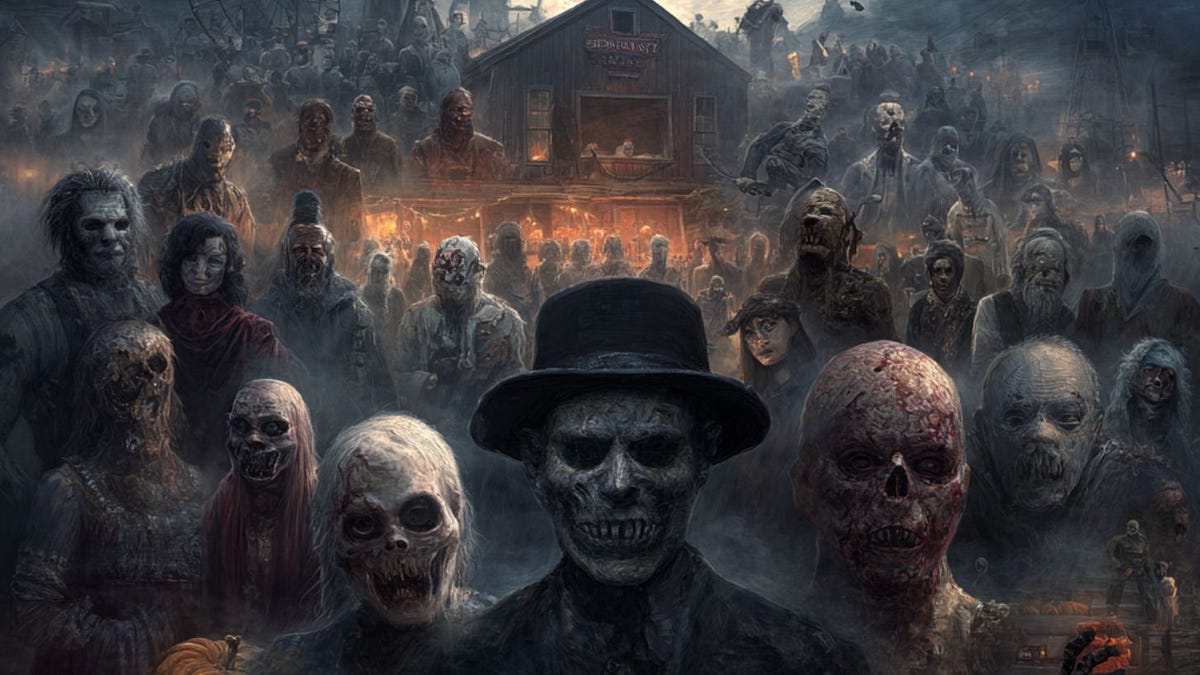
From roller coasters that simulate a near-death plunge to haunted houses filled with chainsaw-wielding actors, humans have a long and storied history with recreational fear. This isn't about enjoying something despite the fear; it’s about enjoying the fear itself. It turns out, the answer lies deep within our brain chemistry, evolutionary history, and the complex ways we process emotion. So, grab a blanket to hide under, and let's explore the psychology of why we love to be scared.
The Brain on Fright: A Chemical Cocktail
At its core, the enjoyment of being scared is a biological magic trick. When you perceive a threat—whether it’s a monster on screen or the steep drop of a roller coaster—your brain’s emotional alarm system, the amygdala, springs into action. This almond-shaped cluster of neurons doesn't wait for your conscious mind to catch up; it immediately triggers the body's ancient survival mechanism: the fight-or-flight response.
Adrenaline, Endorphins, and Dopamine, Oh My!
The amygdala signals the hypothalamus, which in turn activates the sympathetic nervous system. This unleashes a flood of powerful hormones and neurotransmitters. First comes adrenaline, which gets your body ready for action. Your heart rate and breathing quicken, sending more oxygen to your muscles. Your pupils dilate, and your senses sharpen.
Simultaneously, your brain releases endorphins, the body’s natural painkillers, which can produce a sense of euphoria similar to a "runner's high." To top it all off, you get a hit of dopamine, the "feel-good" neurotransmitter associated with pleasure and reward. This powerful chemical cocktail creates a state of heightened arousal and alertness that can be incredibly exhilarating.
The Crucial Role of Safety
Here's the key to the whole experience: while your primal brain is screaming "DANGER!", your rational brain—specifically the prefrontal cortex—knows you're actually safe. You're in a movie theater, not an abandoned cabin. That roller coaster is on a secure track. This cognitive reappraisal is what separates thrilling fun from genuine trauma.
“When our ‘thinking’ brain gives feedback to our ‘emotional’ brain and we perceive ourselves as being in a safe space, we can then quickly shift the way we experience that high arousal state, going from one of fear to one of enjoyment or excitement.” - Arash Javanbakht and Linda Saab, Smithsonian magazine.
Once the perceived threat is over—the jump scare passes, the ride ends—your parasympathetic nervous system kicks in, calming everything down. This transition from high arousal to a state of relief is intensely pleasurable, leaving you with a lingering sense of euphoria and well-being.
Quick Facts
- The part of your brain that processes fear is the amygdala.
- The "fight-or-flight" response floods your body with adrenaline and cortisol.
- Watching a scary movie can burn calories. One study found that viewers of "The Shining" burned up to 184 calories.
- About 10% of the population genuinely loves the adrenaline rush associated with horror.
- The term for enjoying negative sensations in a safe context is "benign masochism."
Theories Behind the Thrills
Scientists and psychologists have proposed several theories to explain why the potent brew of fear and safety is so appealing. Each offers a different lens through which to understand this peculiar human pastime.
Excitation Transfer Theory
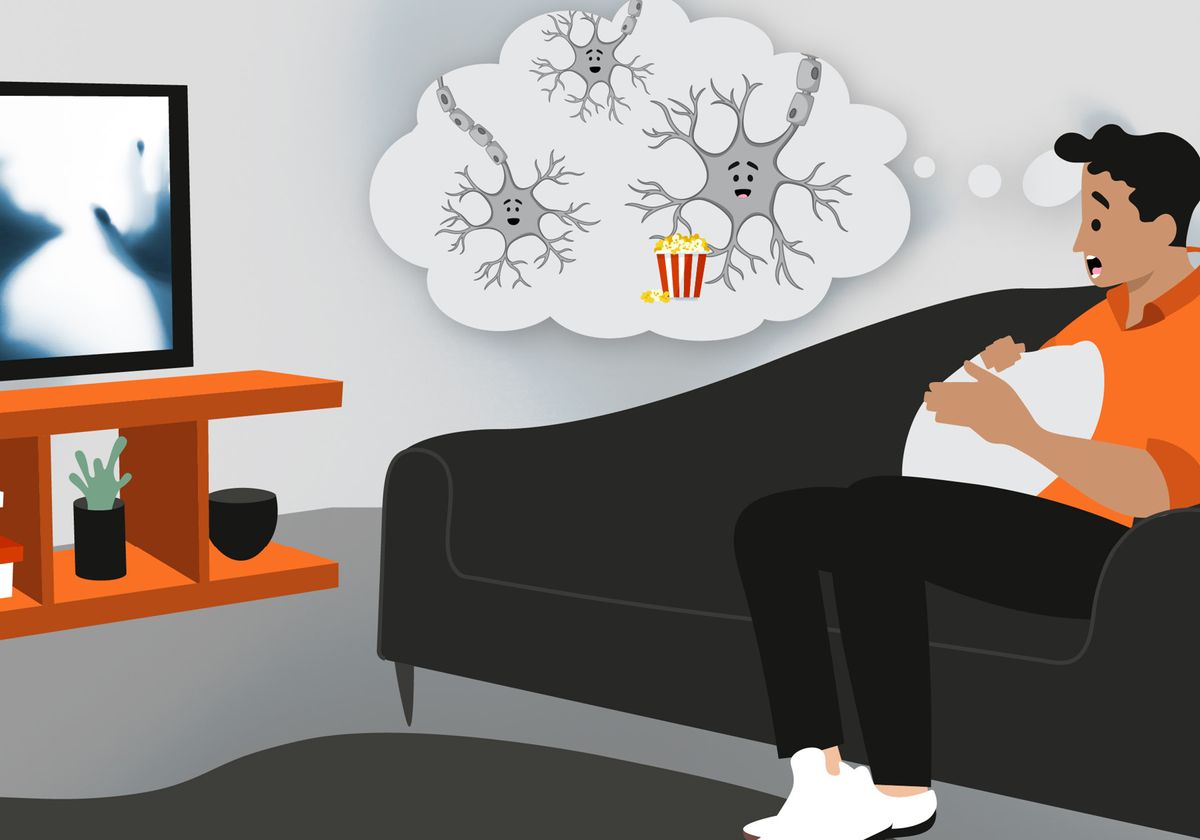
Developed by Dolf Zillmann in the 1980s, this theory suggests that the physiological arousal from fear doesn't just vanish when the stimulus is gone. Instead, it lingers and can transfer to subsequent emotions, intensifying them. After watching a horror movie, the residual arousal can make the feeling of relief more profound and any positive social interactions afterward feel more joyful. This explains the giddy, often giggly, state many people find themselves in after a good scare.
Benign Masochism and Hedonic Reversal
This sounds intense, but it's a concept you're likely familiar with. Coined by psychologist Paul Rozin, benign masochism describes the enjoyment of innately negative experiences when we know we are fundamentally safe. It’s the same principle that explains why people enjoy painfully spicy food, sad movies, or intense massages.
This process is also known as a hedonic reversal, where an ordinarily unpleasant sensation becomes pleasurable precisely because our minds know there's no real threat. The roller coaster is the perfect example: your body is reacting to the physical sensations of falling and high speed, but your mind knows you're securely strapped in.
A Rehearsal for Real Danger
From an evolutionary perspective, enjoying fear in a controlled setting might have adaptive benefits. Engaging with "recreational fear" could be a way for us to practice our fear responses and learn to regulate our emotions in high-stress situations without facing any actual danger.
A 2020 study on "Playing With Fear" found that horror fans exhibited greater psychological resilience during the COVID-19 pandemic. Their experience with simulated threats may have helped them develop better coping skills for a real-world crisis.
By facing simulated threats, we can build confidence in our ability to handle scary situations. It’s a form of emotional training, allowing us to explore the boundaries of our own fear and resilience in a safe playground.
Not Everyone's a Fan: The Role of Personality
Of course, not everyone enjoys being scared. Individual differences play a huge role in whether you're a horror aficionado or someone who prefers to keep things calm. Key factors include:
- Sensation-Seeking: People high in this personality trait crave novel, intense, and complex experiences and are more willing to take risks to achieve them. They are often the "adrenaline junkies" who enjoy horror movies, extreme sports, and other thrilling activities.
- Empathy: Some research suggests that individuals with higher levels of empathy may enjoy horror less because they react more negatively to the suffering of others on screen. However, other studies have found that horror fans can have high levels of cognitive empathy, which is the ability to understand another's emotional state without necessarily sharing it.
- Anxiety Levels: The relationship with anxiety is complex. For some, especially those with anxiety sensitivity, horror movies can be triggering and overwhelming. Yet, some studies suggest that people with anxiety may enjoy horror because it provides a structured, controlled way to experience and manage fear, which can be cathartic.
The Social Glue of Fear
There's a powerful social component to fear. Think about clutching a friend's arm during a jump scare or laughing together in relief after a haunted house. Shared scary experiences can create incredibly strong social bonds.
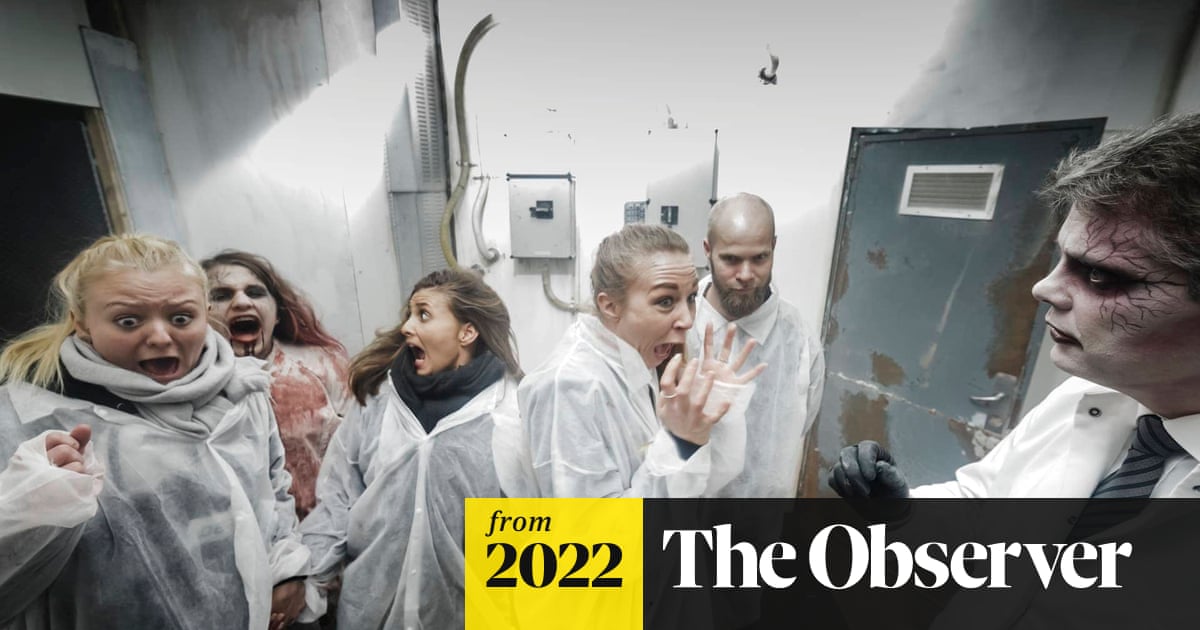
When we feel scared, our bodies can release oxytocin, sometimes called the "love hormone," which is associated with social bonding. Facing and overcoming a threat together, even a fake one, fosters a sense of closeness and connection. This social aspect is a huge part of the appeal, turning a solitary emotion into a shared, memorable experience.
Conclusion: The Sweet Spot of a Good Scare
The paradox of enjoying fear isn't so paradoxical after all. It’s a finely tuned interplay between our primal instincts and our modern minds. We seek the exhilarating rush of our body's fight-or-flight response—the adrenaline, the heightened senses, the flood of feel-good chemicals—all while our rational brain keeps a comforting hand on our shoulder, reminding us that it isn't real.
From an evolutionary rehearsal for danger to a powerful tool for social bonding, recreational fear serves a multitude of purposes. It allows us to explore our own resilience, experience intense emotions without real-world consequences, and ultimately, feel a profound sense of relief and mastery. So the next time you willingly buy a ticket to be terrified, know that you're not just seeking a cheap thrill. You're engaging in a complex and deeply human activity that taps into the very core of what makes us tick.