

Why We Love Urban Legends and Creepy Stories
The Digital Campfire: Why We Can't Resist a Good Scare
Remember that story? The one about the babysitter, the unsettling phone calls, and the horrifying realization that "the calls are coming from inside the house!"? Or maybe it was the tale of the "Vanishing Hitchhiker," a ghostly figure picked up on a lonely road, only to disappear from the moving car. These stories, whispered at sleepovers and shared in hushed tones, are more than just spooky tales; they are urban legends, the modern folklore that reveals our deepest anxieties and our curious fascination with fear itself.

But why do we, generation after generation, find these creepy stories so irresistible? In an age of instant information and scientific explanation, what makes us lean in closer to hear a tale we know is likely untrue? The answer is a fascinating mix of psychology, history, and the very wiring of our brains. We are hardwired to be captivated by the creepy, to find a strange sort of comfort in the terrifying.
A Primal Itch: The Psychology of Controlled Fear
At its core, our love for scary stories is rooted in a fundamental survival instinct. Fear is an ancient, deeply ingrained reaction designed to protect us from threats. When we perceive danger, our brain's amygdala kicks into high gear, triggering the "fight-or-flight" response. This unleashes a cocktail of chemicals, including adrenaline, that prepares our bodies for action: our heart rate increases, our senses sharpen, and we feel a surge of energy.
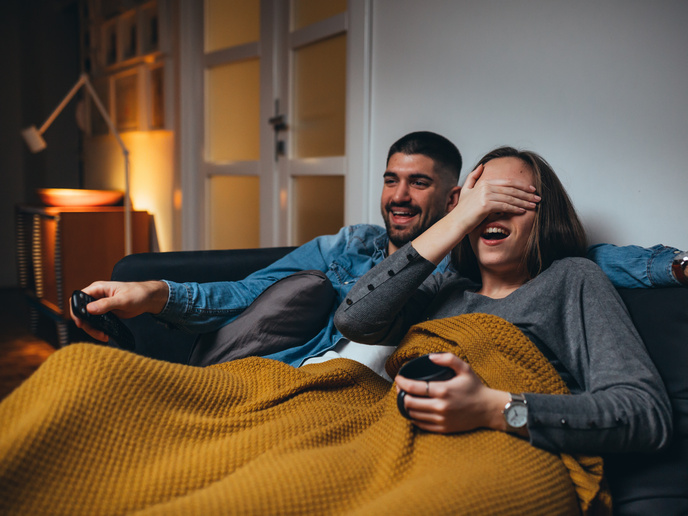
The secret to enjoying this experience lies in one crucial word: context. When we watch a horror movie or read a creepy story online, our rational brain knows we're safe. We're on our couch, not in a real haunted house. This "psychological protective frame" allows us to experience the physiological thrill of fear without the actual danger. Once the perceived threat is over, our brain releases another set of chemicals, including dopamine and endorphins, which can create a sense of euphoria and relief. It's a biochemical rollercoaster that many of us find exhilarating.
The Dopamine Connection
Dopamine, often called the "feel-good" neurotransmitter, plays a surprisingly complex role in our experience of fear. While it's associated with pleasure and reward, research shows it's also involved in fear conditioning and memory formation. This means dopamine not only rewards us after the scare but also helps us learn from the experience, solidifying the memory of the thrill. This chemical rush can be so gratifying that it encourages us to seek out these controlled scares again and again, much like riding a rollercoaster.
Mirrors to Our Anxieties: What Legends Reveal About Us
Urban legends are far more than just scary stories; they are cultural artifacts that reflect our collective worries and societal anxieties. They serve as a type of modern folklore, encapsulating the moral and social norms of our time. Think about the common themes that pop up: contaminated food, horrific crimes, and mysterious disappearances. These narratives tap into our deepest fears about personal safety, the dangers of modern technology, and the breakdown of social order.
The term "urban legend" itself was popularized by folklorist Jan Harold Brunvand in his 1981 book, The Vanishing Hitchhiker: American Urban Legends & Their Meanings. Brunvand showed that these stories aren't exclusive to "primitive" societies but thrive in our modern, urban environments, spreading through social networks just like ancient myths did. They often come with a veneer of authenticity, famously attributed to a "friend of a friend," which personalizes the story and makes the warning feel more immediate.
Quick Facts
- The term "urban legend" appeared in print as early as 1968, but was popularized by folklorist Jan Harold Brunvand in 1981.
- Many urban legends serve as cautionary tales, warning listeners about specific dangers or reinforcing social norms.
- The internet has dramatically accelerated the spread and evolution of urban legends, giving rise to new forms like "creepypasta."
- The "Slender Man" character, one of the most famous internet legends, originated from a 2009 Photoshop contest on a comedy forum.
- Research suggests that people who enjoy horror may be more psychologically resilient during stressful real-world events, like a pandemic.
The Cautionary Tale: A Story with a Point
Many urban legends and creepy stories fit into the classic structure of a cautionary tale. These narratives have a clear, three-part structure: a warning is given, someone disregards it, and they meet a grim fate as a result. From a young age, we're told stories to encourage conformity with rules designed for our safety—don't talk to strangers, don't go into the woods alone.

Urban legends are the adult version of these tales. They warn against modern dangers and reinforce societal taboos. The 1980s slasher film trope, where teenagers who engage in forbidden activities are punished, is a direct descendant of this storytelling tradition. These stories serve a social function, allowing us to discuss our fears and reinforce moral boundaries in a compelling, memorable format.
“We make up horrors to help us cope with the real ones.” - Stephen King
From Campfire to Crowdsourcing: The Digital Evolution
For centuries, folklore was passed down orally, evolving slowly as it moved from person to person, community to community. The advent of the internet changed everything. Digital platforms removed geographical barriers, allowing a story to go from a single user's mind to a global audience in a matter of hours.
This new digital landscape gave birth to a new kind of modern folklore: creepypasta. The name is a portmanteau of "creepy" and "copypasta," a term for text that is copied and pasted across the internet. These are internet-native horror stories, often written anonymously and presented as true accounts to blur the lines between fiction and reality.
The Birth of Digital Monsters
Perhaps the most famous creepypasta is the story of Slender Man. This unnaturally tall, faceless figure in a black suit was born in a 2009 Photoshop contest on the Something Awful forums. Users began creating a fictional mythology around the character, collaboratively building a legend through stories, artwork, and "found footage" videos. The porous boundary between creator and audience is what gives this digital folklore its unique power.
The internet has democratized the creation of monsters. Anyone with an internet connection can contribute to the next great urban legend, adding their own twists and shaping the narrative in real-time. This has transformed storytelling into a dynamic, participatory experience, creating a global, digital campfire around which we can all share a shiver.
Why We Still Need Monsters
So, why do we keep coming back to these tales? Why do we share stories about the Bunny Man of Virginia, the Japanese "Slit-Mouthed Woman," or La Llorona, the "Weeping Woman" of Latin American lore?
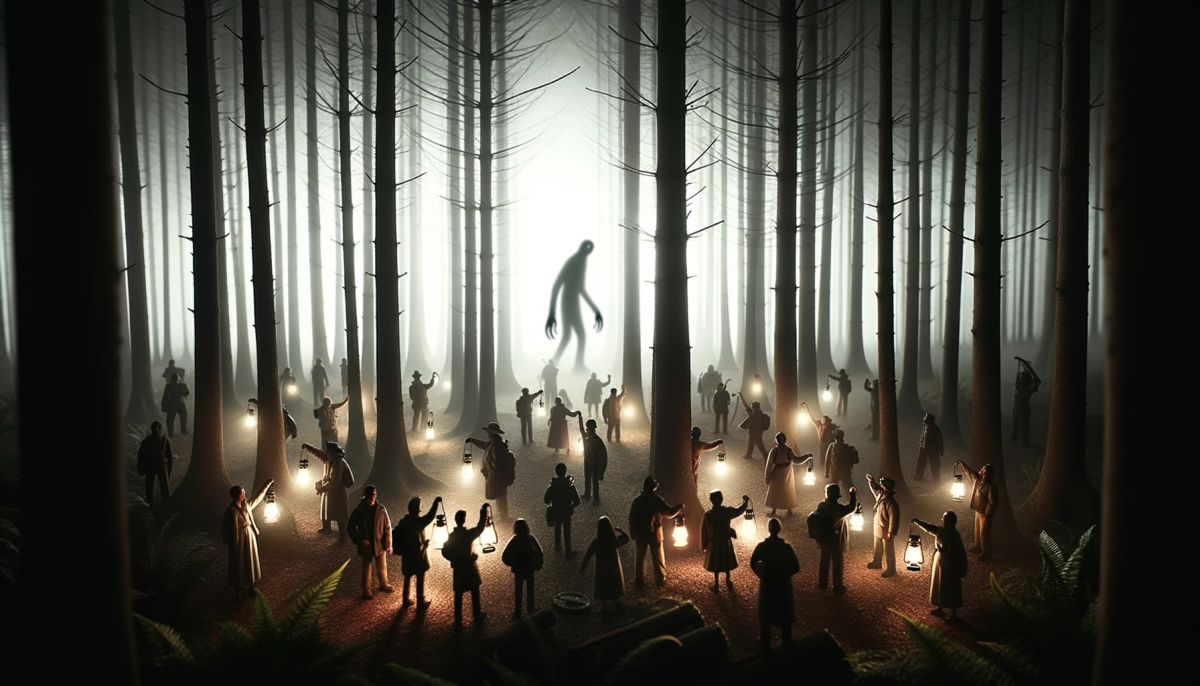
These stories do more than just entertain us with a cheap thrill. They provide a safe outlet to explore our anxieties and confront the unknown. They allow us to practice our emotional regulation, experiencing fear and then calming ourselves down, which can build resilience for real-world stressors. Sharing a scary story is also a powerful social bonding experience, bringing us closer together through shared emotion.
From ancient myths painted on cave walls to crowdsourced horrors on the internet, our need for scary stories hasn't changed. They are a fundamental part of the human experience, a way for us to make sense of a chaotic world, reinforce our values, and connect with one another. The next time you find yourself captivated by a creepy tale, remember that you're not just getting scared—you're participating in one of humanity's oldest and most essential traditions. You're leaning in closer to the glow of the digital campfire, ready for the story that reminds you, safely, of the darkness just beyond the light.