
68
Learn More
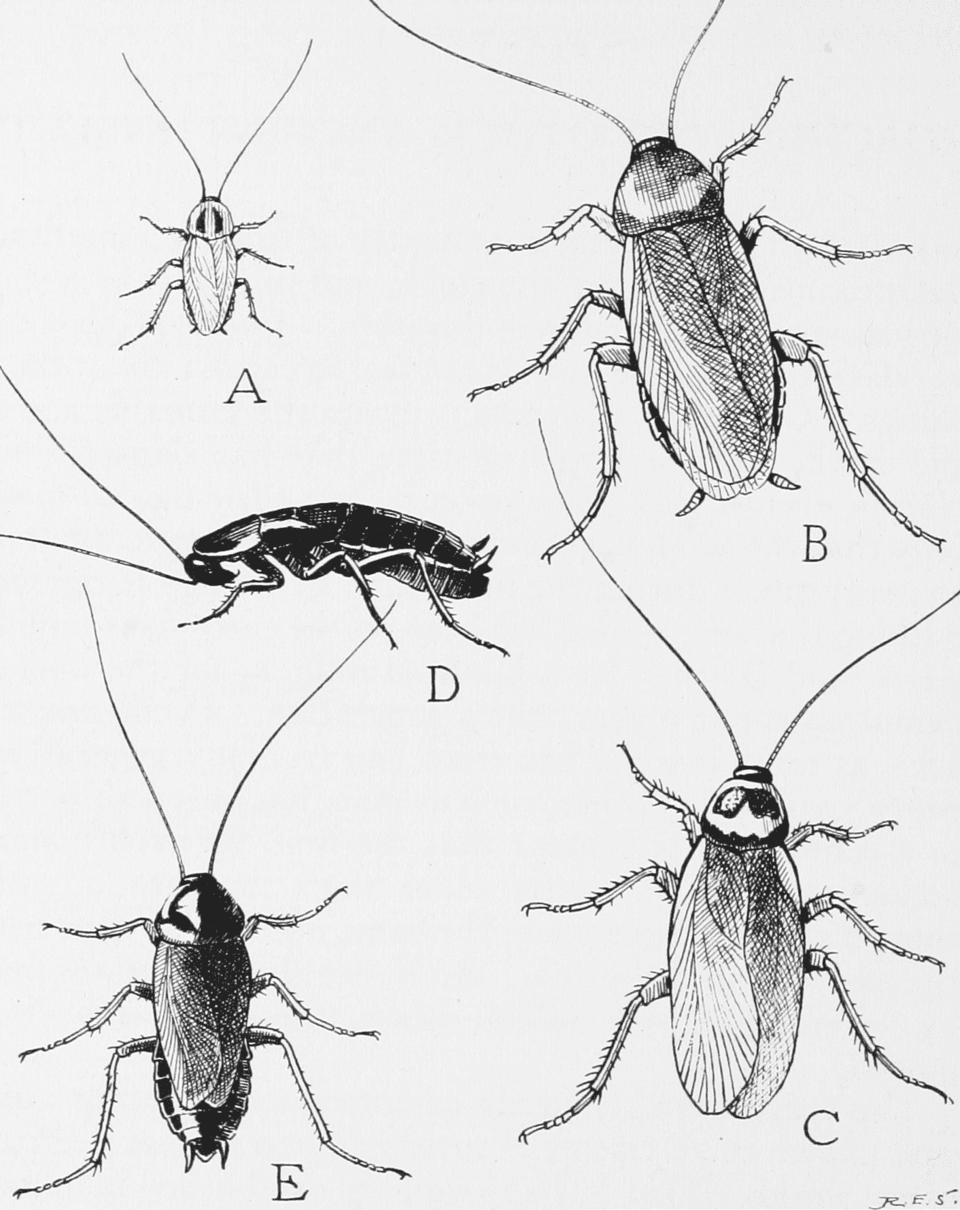
The idea that a cockroach can continue to scuttle about long after losing its head might sound like something out of a horror movie, but it's a remarkably true testament to their unique biology. Unlike humans and other vertebrates, whose brains are central to controlling nearly all bodily functions, a cockroach's nervous system is far more decentralized. This allows their body, or rather, the ganglia distributed throughout their segments, to control basic functions like movement and reflexes even without the primary "head" ganglion.
A crucial factor enabling this survival is their respiratory system. Cockroaches don't breathe through their mouths or noses; instead, they take in air through tiny openings called spiracles located along the sides of their body segments. This means that losing their head doesn't impede their ability to get oxygen to their tissues. Furthermore, their circulatory system is open, not pressurized like ours, so a decapitation doesn't result in rapid blood loss in the same way it would for a mammal. The wound often clots fairly quickly, preventing fatal bleeding.
This astonishing resilience often strikes people as a myth because it goes against our understanding of life, which is heavily influenced by mammalian biology. For humans, the head houses the brain, which is the control center for breathing, circulation, and consciousness—all vital for immediate survival. The visual of a headless creature continuing to move is naturally unsettling and counterintuitive, leading many to question its veracity. However, observations of this peculiar phenomenon are indeed accurate, and a cockroach can indeed persist for up to a week or even longer in this state, eventually succumbing to starvation or dehydration rather than the immediate trauma of decapitation.
Related Myths
84
84
84
84
84
84