
38
Learn More
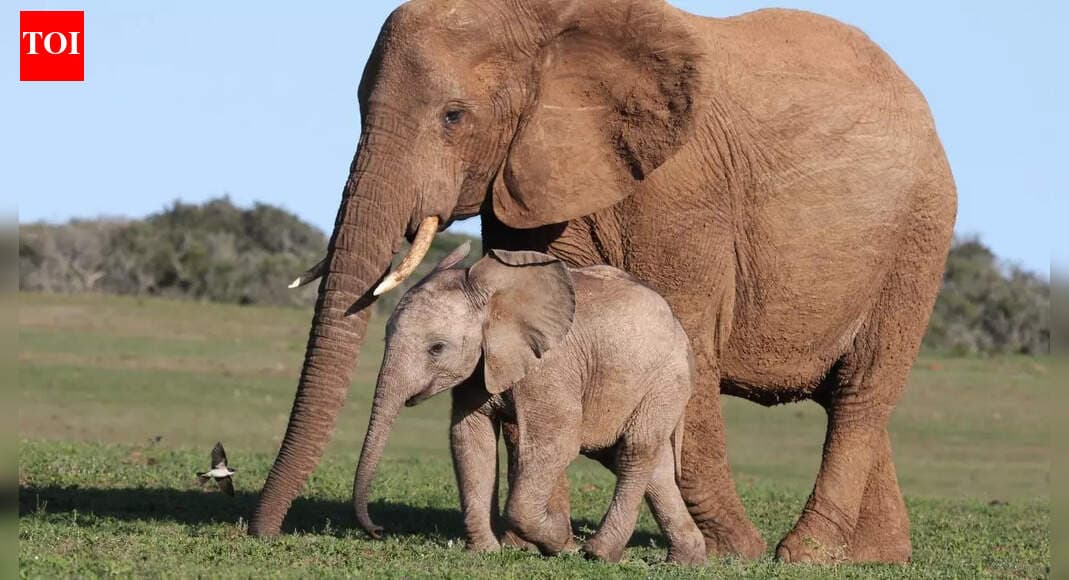
The impressive memory capabilities of elephants are a frequently discussed topic, often appearing in popular culture and common discourse. Far from being a mere tall tale, the notion that these magnificent creatures can retain memories of specific individuals for extended periods is firmly rooted in scientific observation and understanding. This widespread belief isn't just anecdotal; it reflects a genuine and vital aspect of elephant biology.
Indeed, elephants possess extraordinary long-term memory, a trait essential for their survival and complex social structures. Scientific studies and extensive observations have confirmed that elephants can recognize other elephants, human caretakers, and even specific locations, like watering holes or migratory routes, over periods that can span more than two decades. This ability is crucial for their survival in often challenging environments, allowing matriarchs to guide their herds to scarce resources and enabling individuals to maintain intricate social bonds and recognize allies or potential threats from years past.
The enduring belief in elephants' profound memory likely originates from a combination of their observable intelligence and compelling real-world accounts. Stories of elephants remembering and reacting to people they haven't seen in many years, or demonstrating navigation skills over vast, familiar territories, powerfully reinforce this idea. Their highly social nature, emotional intelligence, and capacity for complex learning make their exceptional memory not only scientifically verifiable but also intuitively understandable and deeply resonant with human observers, solidifying its place in both scientific fact and popular imagination.
Related Myths
84
84
84
84
84
84