
65
Learn More
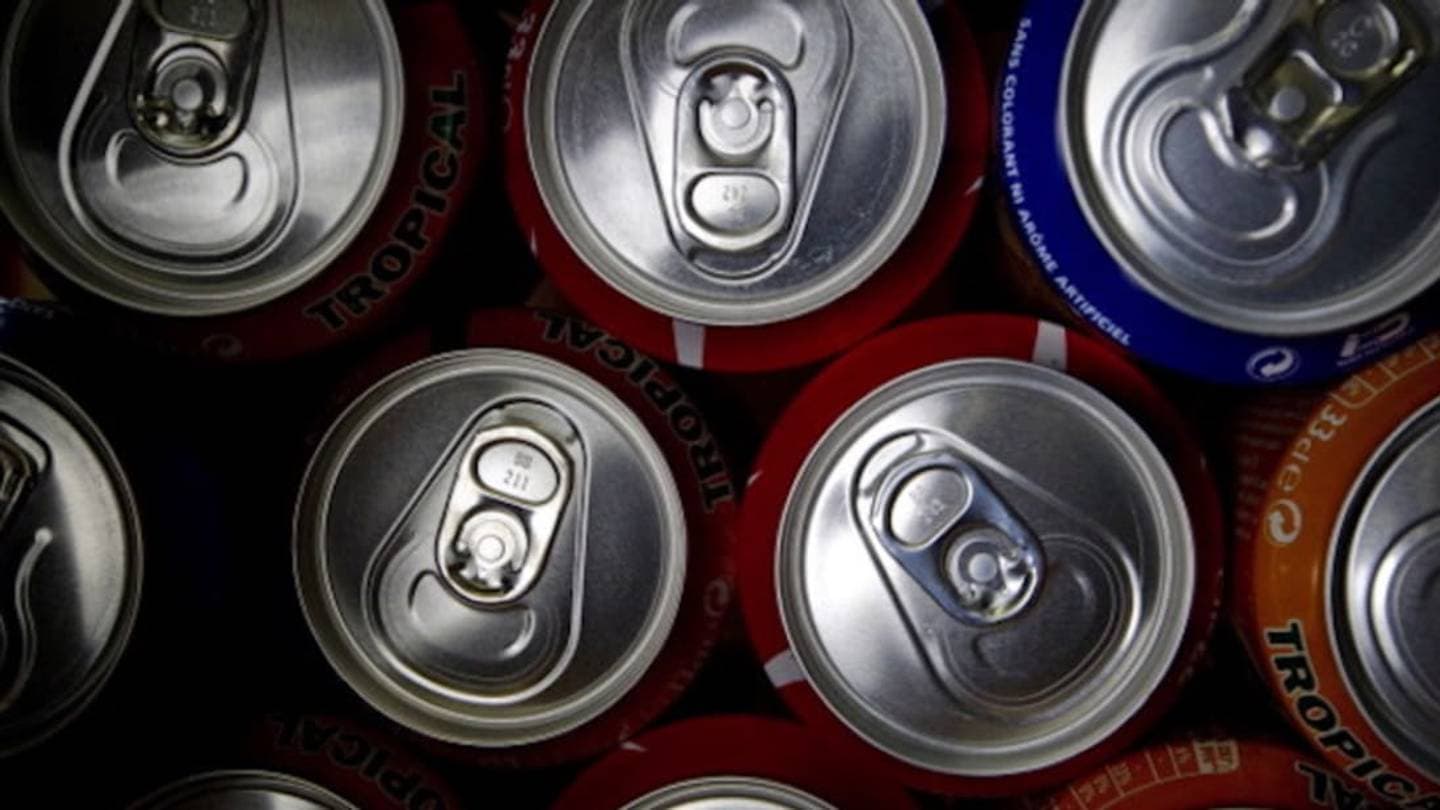
For generations, a common ritual before opening a shaken can of soda has been to tap its top, believing this simple action will prevent a fizzy eruption. This widespread practice is often passed down through families and friends, rooted in a desire to exert control over a potentially messy situation and a hopeful belief in a "secret knowledge" to tame the carbonated beverage. Many people continue this habit, perhaps feeling a sense of accomplishment when a can opens without overflowing, attributing the calm to their tapping efforts.
However, the science behind carbonated drinks reveals why tapping the top of a can is largely ineffective. Sodas contain dissolved carbon dioxide gas under high pressure. When a can is shaken, countless tiny gas bubbles, known as nucleation sites, form and cling to the interior surfaces of the can. Upon opening, the sudden drop in pressure causes these microscopic bubbles to rapidly expand, leading to the characteristic fizz and potential overflow. While the theory behind tapping suggests it dislodges these bubbles, allowing them to rise to the top before the can is opened, studies and beverage manufacturers like Coke and Pepsi indicate that tapping the top does not significantly reduce fizzing.
The perceived success of tapping is usually a result of the time delay it provides. As you spend time tapping, the agitated soda is given a moment to settle. During this brief period, some of the carbon dioxide naturally reabsorbs into the liquid or the bubbles rise to the surface on their own, regardless of whether the can was tapped. Therefore, any reduction in fizzing is more accurately attributed to patience and the natural settling process, rather than the act of tapping itself. To truly minimize fizz, simply letting a shaken can rest for a minute or two is a more effective approach.
Related Myths
84
83
79
78
76
74