
6
Learn More
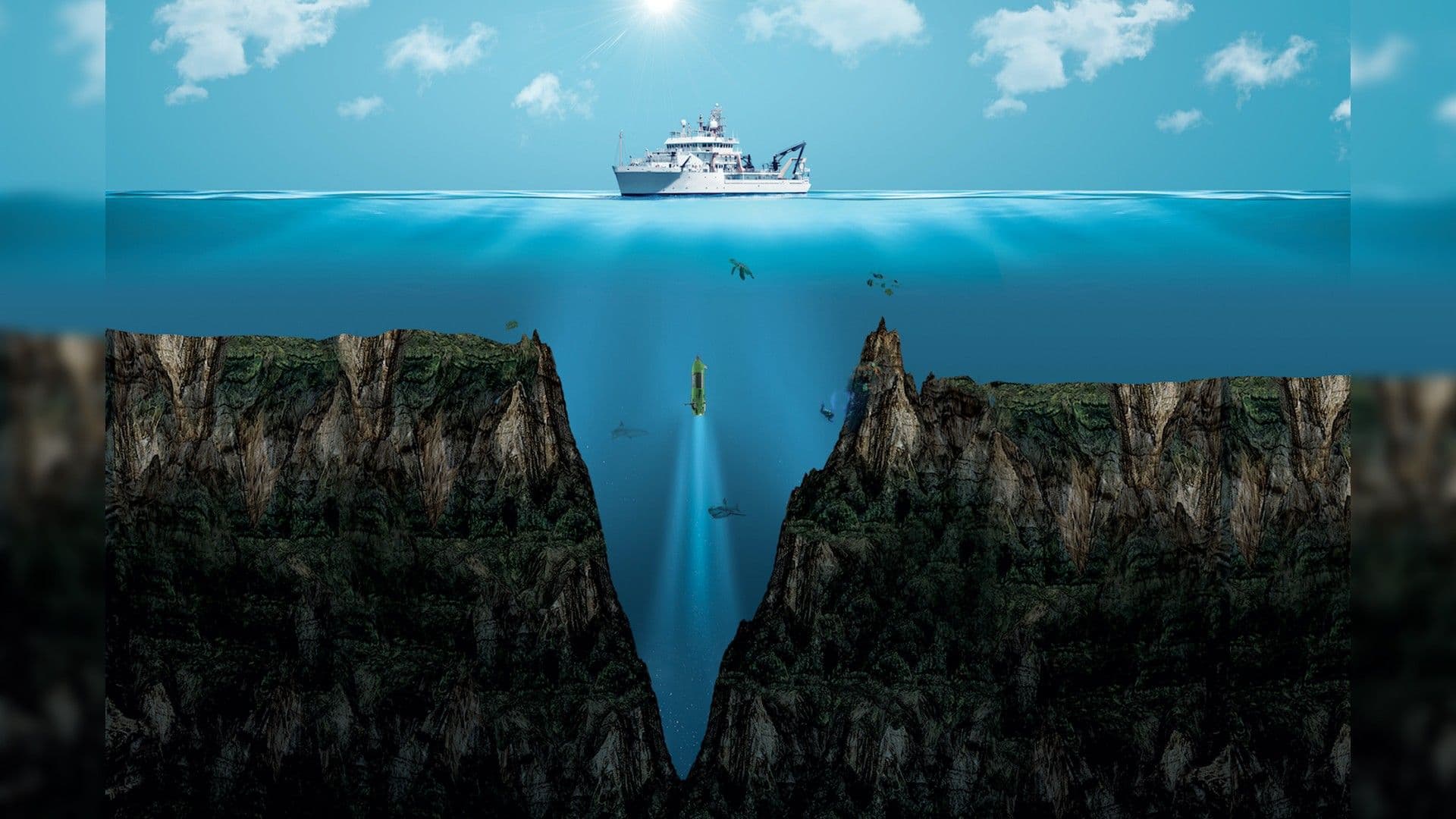
The vastness of our planet often inspires thought experiments, especially when considering its most extreme features. One such popular comparison involves Earth's highest point, Mount Everest, and its deepest known oceanic trench, the Mariana Trench. This intriguing "what if" scenario has circulated widely, prompting curiosity about the true scale of these natural wonders and leading many to wonder if the trench truly dwarfs the mountain.
Scientifically, the measurements confirm the immense depth of the Mariana Trench. It plunges to an astonishing approximately 10,994 meters below sea level, with its deepest point, the Challenger Deep, being consistently measured around this figure. In stark contrast, Mount Everest, the world's tallest peak, reaches an elevation of 8,849 meters above sea level. This means that if you could somehow place Mount Everest at the bottom of the Mariana Trench, its summit would still be submerged by over 2,000 meters of water, highlighting the profound disparity in their vertical dimensions.
This vivid comparison resonates with many because it powerfully illustrates the dramatic topography of our planet. The idea of one extreme dwarfing another helps us grasp the sheer scale of geological forces at play, where tectonic plate movements create both towering mountains and abyssal trenches. While the exact figures might not be widely known, the general concept of the ocean's profound depths exceeding the highest mountains remains a captivating and accurate reflection of Earth's diverse and extreme environments.
Related Myths
81
81
80
79
79
77