
50
Learn More
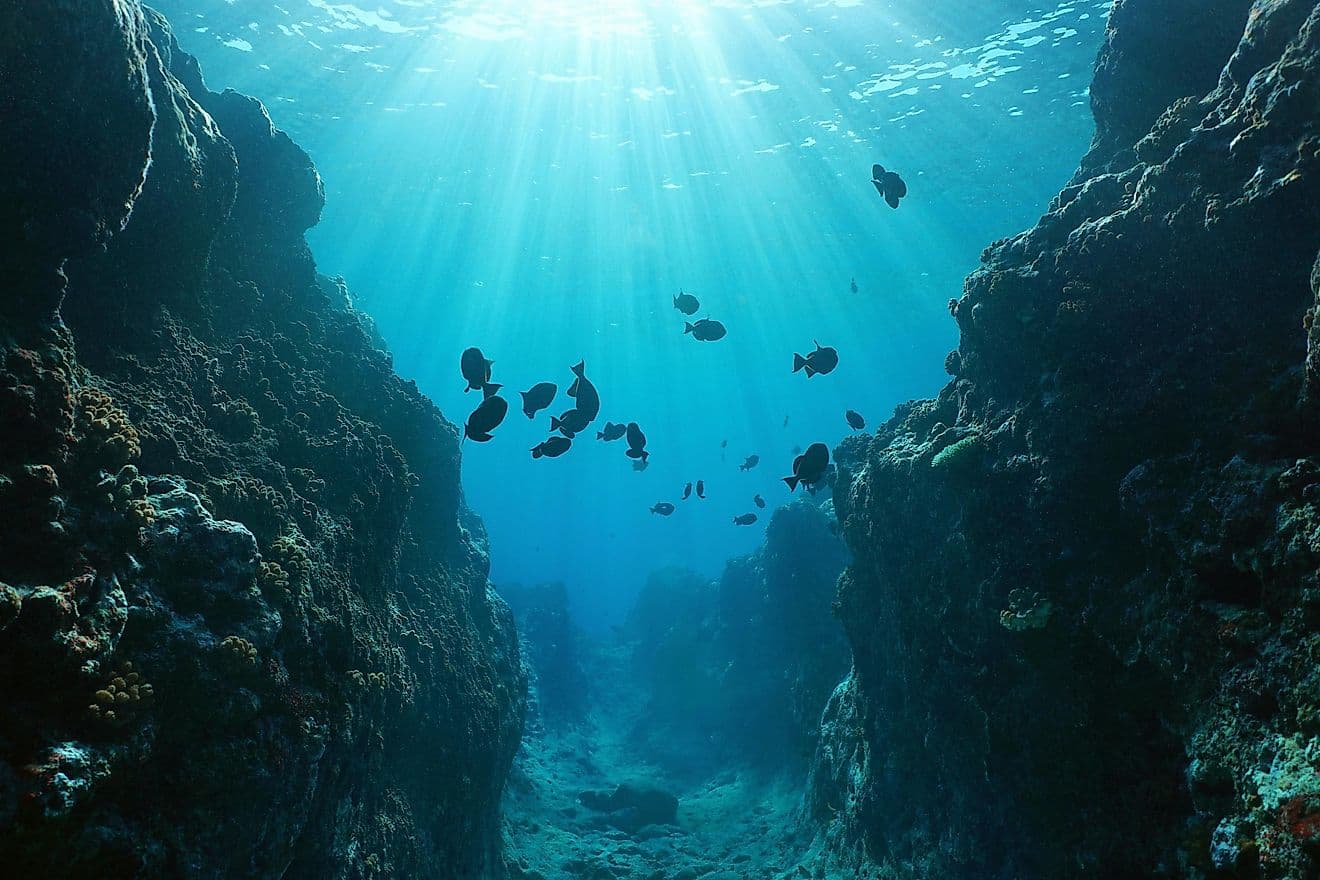
It might seem counterintuitive to suggest that an entire ocean could be shrinking, especially one as vast as the Pacific. Many people might assume that the Earth's oceans are static bodies of water, unchanging in their size and shape. However, this perception overlooks the dynamic nature of our planet's geology, where landmasses and ocean floors are in constant, albeit slow, motion due to the forces of plate tectonics. The idea that such a massive feature could be undergoing a fundamental shift often strikes people as a surprising or even mythical concept.
The scientific evidence clearly confirms that the Pacific Ocean is indeed slowly diminishing in size. This phenomenon is driven by the Earth's tectonic plates, which are continually moving. Around the edges of the Pacific, oceanic plates are being forced beneath continental plates in a process called subduction. These areas, particularly prominent in the "Ring of Fire," act like geological recycling centers where old oceanic crust is consumed back into the Earth's mantle. Concurrently, the Atlantic Ocean is experiencing the opposite effect, widening at the Mid-Atlantic Ridge where new oceanic crust is generated as plates pull apart.
The reason this geological reality often comes across as a myth is primarily due to the incredibly slow pace of these changes. Tectonic plates move at rates comparable to the growth of human fingernails, typically between 1 to 10 centimeters (0.4 to 4 inches) per year. While the Pacific Ocean is estimated to be shrinking by roughly 0.5 square kilometers (0.19 square miles) annually, or about an inch a year across major fault lines, such small increments are imperceptible within a human lifetime. This vast difference in scale between human observation and geological time makes it difficult for many to grasp that oceans are not fixed, but rather active participants in Earth's ongoing, slow-motion continental dance.
Related Myths
81
81
80
79
79
77