
26
Learn More
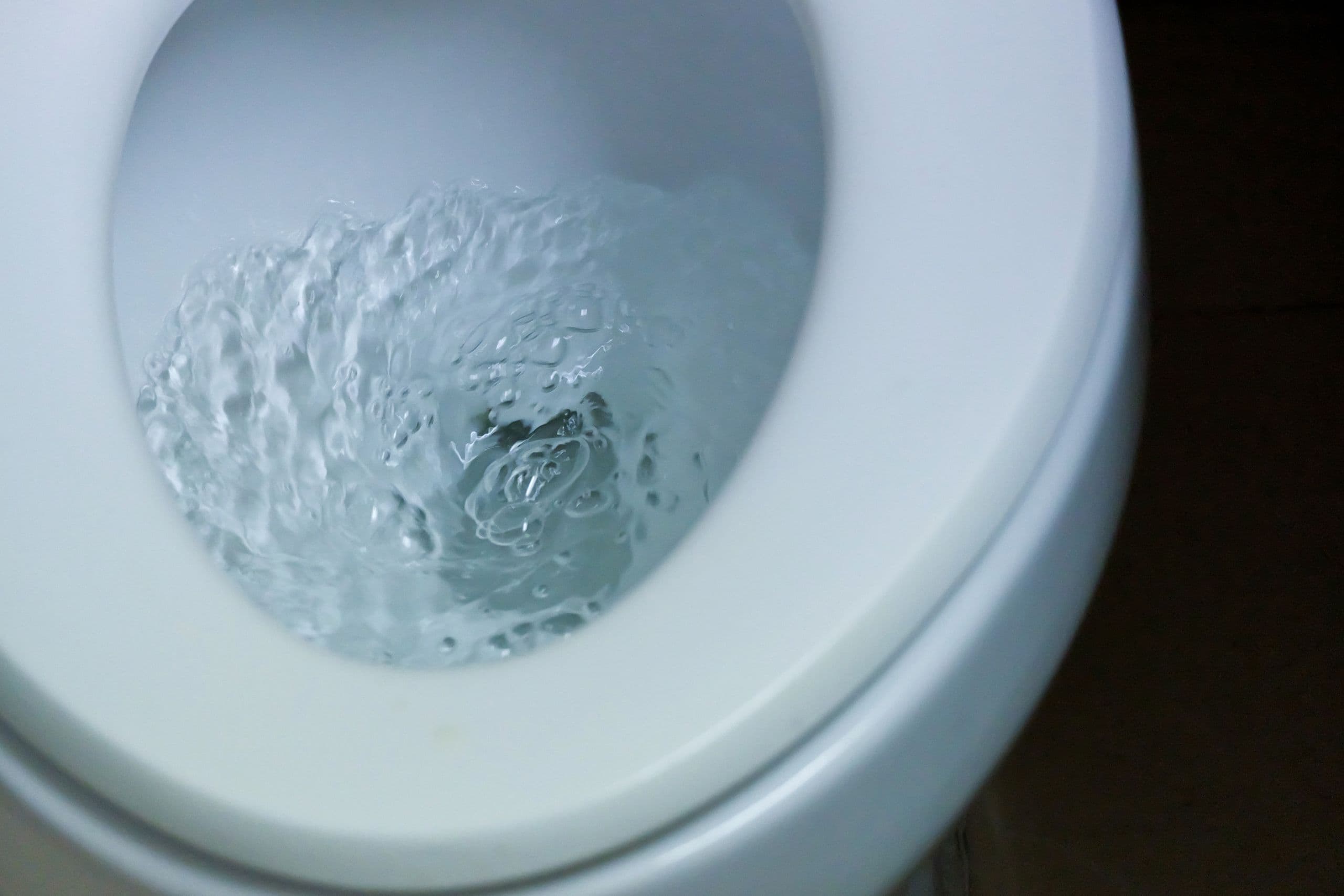
It's a common and persistent idea that water draining from a toilet or sink will swirl in opposite directions depending on whether you're in the Northern or Southern Hemisphere. This captivating concept often attributes the phenomenon to the Coriolis effect, a real scientific principle that influences large-scale systems like ocean currents and weather patterns.
However, the Coriolis effect is far too weak to have any noticeable impact on the relatively small volume of water in a toilet bowl or sink. This force becomes significant only when acting over vast distances and prolonged periods. The direction water drains is actually determined by more mundane factors, such as the shape of the basin, the angle at which the water enters the bowl, and any pre-existing currents or disturbances in the water itself. Even a slight imperfection in the basin's design or a subtle jet of water can easily overpower the minuscule Coriolis force.
The widespread belief in this myth is often reinforced by anecdotal evidence and even staged demonstrations, particularly at the equator, where tour guides might manipulate water to appear to drain in opposing directions on either side of the line. These convincing but misleading shows capitalize on the public's fascination with scientific curiosities, making the "opposite flush" myth a particularly engaging and enduring piece of folklore.
Related Myths
84
83
79
78
76
74