
72
Learn More
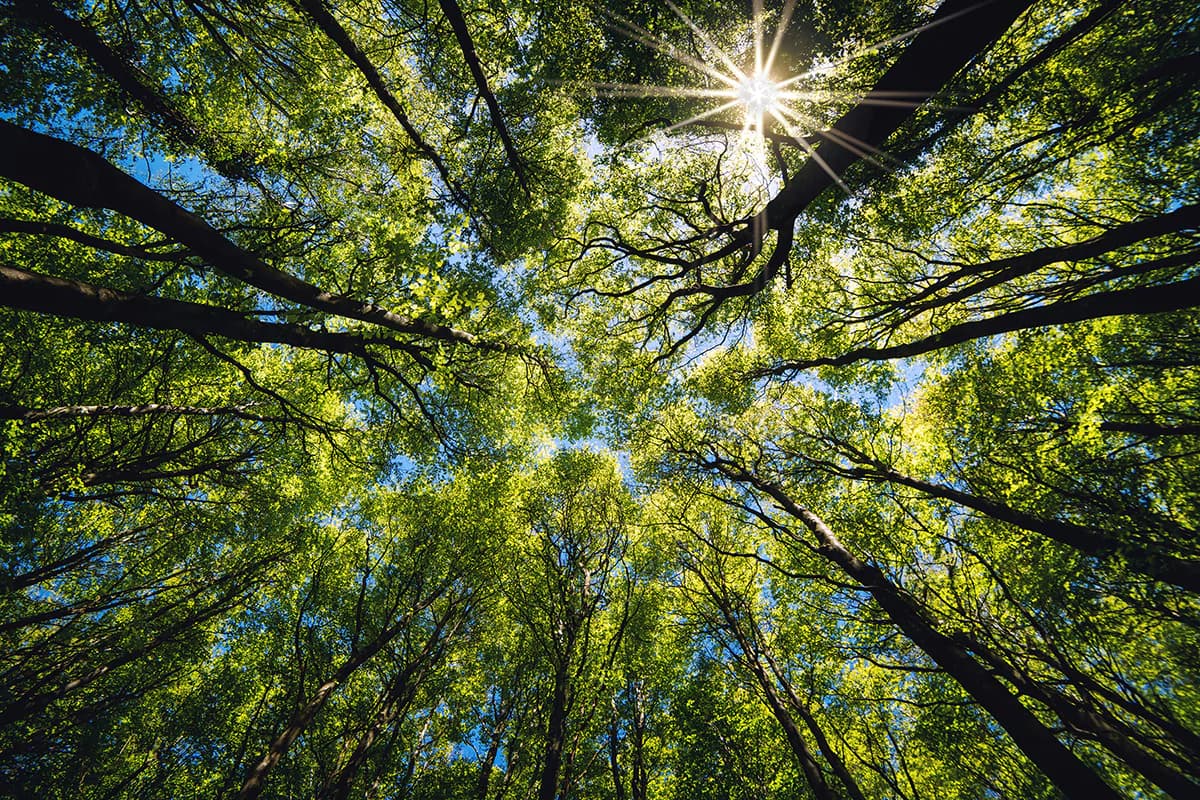
The notion that trees could communicate with one another, especially to warn of danger, once seemed like something out of folklore, perhaps a poetic metaphor rather than a scientific reality. For a long time, plants were largely viewed as passive organisms, rooted in place and reacting individually to their immediate environment. However, observations of how entire forest sections sometimes responded to insect outbreaks hinted at a deeper, unseen coordination, sparking scientific curiosity into what was initially considered a far-fetched idea.
Modern scientific inquiry began to unravel this mystery in the 1980s, revealing a sophisticated system of airborne communication. When a tree is attacked by insects, it doesn't suffer in silence. Instead, many tree species release a unique blend of volatile organic compounds (VOCs) into the air. These airborne chemical signals serve as an alarm system, traveling through the atmosphere to reach neighboring trees. Upon detecting these specific VOCs, nearby trees, even those without direct root connections, can preemptively ramp up their own defenses, producing bitter substances or other repellent chemicals to deter potential insect invaders before an attack even begins. This chemical "cry for help" can also attract predatory insects and birds that prey on the herbivores, providing an indirect defense for the distressed trees and their neighbors.
This remarkable ability was once considered mythical because the communication is invisible to the human eye and involves intricate biochemical processes. Without advanced analytical techniques to detect and identify these subtle chemical signals, it was challenging to gather concrete evidence. The confirmed existence of this "chemical language" among trees showcases the dynamic and interconnected nature of forest ecosystems, transforming our understanding of how these seemingly silent giants actively defend themselves and cooperate against threats.
Related Myths
82
81
80
80
80
79