
20
Learn More
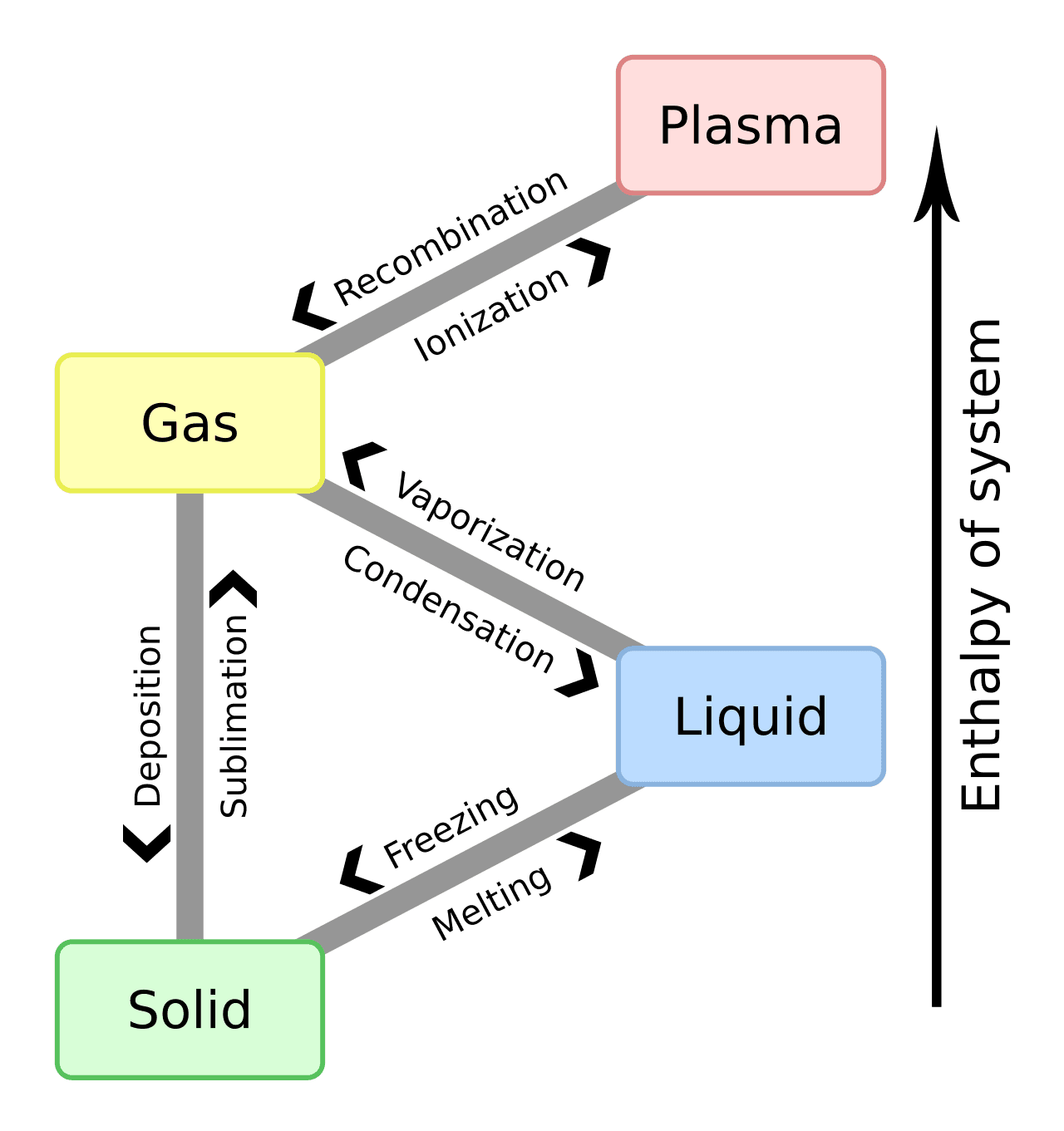
The idea that warmer water might sometimes solidify before colder water is a fascinating and counterintuitive phenomenon that has puzzled observers for centuries. While it seems to defy basic physics, this effect, known as the Mpemba effect, describes specific circumstances where warmer liquids can indeed freeze more quickly than cooler ones. Its modern recognition stems from a Tanzanian schoolboy, Erasto Mpemba, who in 1963 noticed his warm ice cream mixture freezing faster than his classmates' cooler one. His observation sparked renewed scientific interest in a phenomenon that had been noted by figures like Aristotle and Francis Bacon.
Scientists have proposed several explanations for why the Mpemba effect occurs, none of which are universally accepted as the sole cause. Theories include the impact of evaporation, which can reduce the mass of the warmer water and thus the amount needing to freeze. Another theory suggests that dissolved gases, which are less soluble in warmer water, might affect the freezing process. Differences in convection currents, which distribute heat, and the phenomenon of supercooling, where water drops below its freezing point without solidifying, are also considered contributing factors. The specific conditions, such as the container's shape, the presence of impurities, and the initial temperature difference, play crucial roles in whether the effect is observed.
The persistence of this belief, despite its counterintuitive nature, likely stems from occasional real-world observations. People who have witnessed warmer water freezing faster in specific situations, perhaps when making ice or cooling drinks, might generalize this experience into a universal rule. However, it is important to remember that the Mpemba effect is not a consistent occurrence but rather a conditional one, making it a "plausible" phenomenon under particular circumstances rather than an always-true statement. The complexity of heat transfer and phase changes means that what seems like a simple question has a surprisingly nuanced answer, challenging our everyday assumptions about temperature and freezing.
Related Myths
84
83
79
78
76
74