
68
Learn More
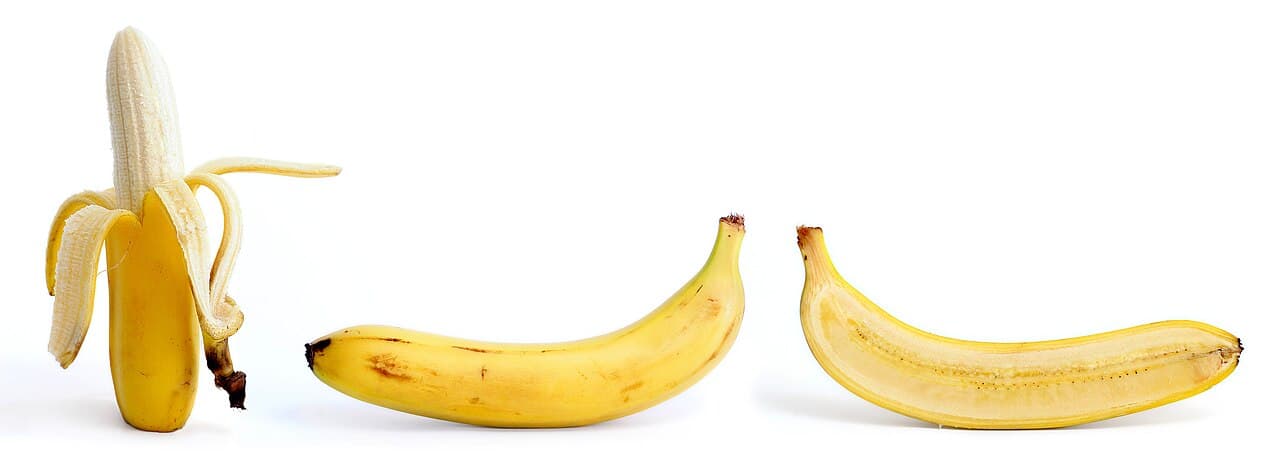
Many people picture a tall, woody plant when they think of where bananas come from, and it’s easy to see why this image persists. The sheer height of a banana plant, often reaching several meters, coupled with its robust, upright stem-like structure, gives it a striking resemblance to a traditional tree. This visual similarity is the primary reason for the widespread misconception, as most people associate large, fruit-bearing plants with trees.
However, this common perception is botanically incorrect. Banana plants are not trees at all, but rather the world's largest herbaceous flowering plants. The "trunk" you see is actually a pseudostem, formed by tightly overlapping leaf sheaths. Unlike a true tree, which develops a woody stem with bark, the banana plant's pseudostem contains no woody tissue. After a single fruiting cycle, this pseudostem dies back, and new shoots emerge from an underground rhizome to continue the plant's life cycle.
The widespread belief that bananas grow on trees stems largely from this deceptive appearance and a general lack of botanical knowledge outside of scientific circles. Without a closer look at its unique characteristics, the impressive stature and robust nature of the banana plant lead many to categorize it alongside other fruit-bearing trees like apples or oranges. Understanding that a banana plant is essentially a giant herb helps us appreciate the unique biology of this familiar fruit and challenges our preconceived notions about what constitutes a "tree."
Related Myths
82
81
80
80
80
79