
51
Learn More
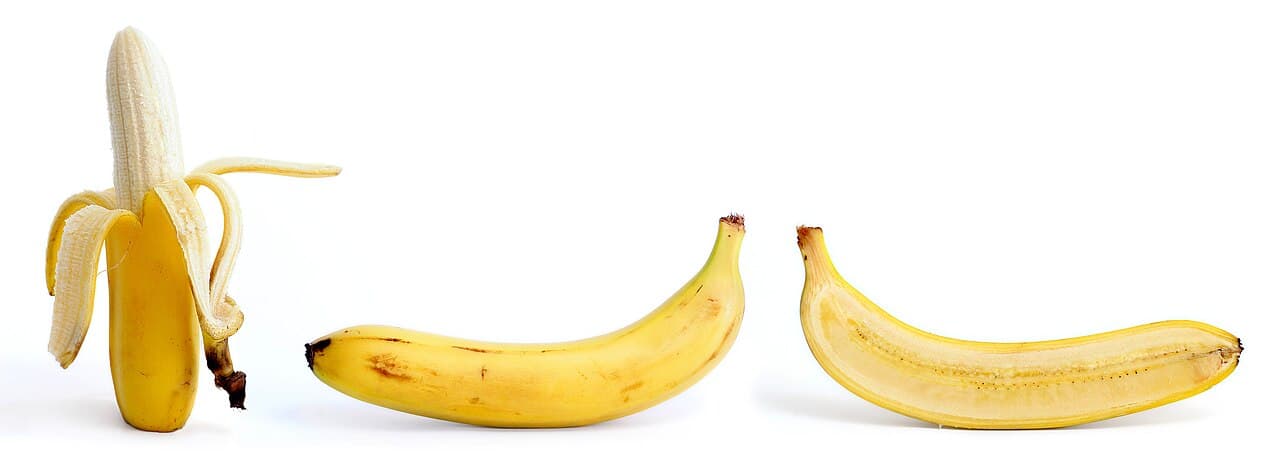
Many people envision bananas dangling from sturdy tree branches, a common image that has taken root in our collective understanding. This widespread belief stems directly from the plant's imposing size and its robust, upright stalk, which bears a striking resemblance to a woody tree trunk. It's an easy assumption to make when observing these towering plants in their natural habitat or in photographs.
However, the truth is that banana plants are not trees at all, but rather the world's largest herbs. Scientifically, a tree is defined by having a woody stem that branches out above ground. The banana plant, despite its impressive stature, lacks this defining characteristic. What appears to be a trunk is actually a "pseudostem," a fascinating structure formed by tightly overlapping and spirally arranged leaf bases. This pseudostem provides support and allows the plant to grow tall, mimicking the appearance of a tree.
The plant's true stem, from which new leaves and fruit clusters emerge, is an underground corm. This subterranean structure is where the plant stores nutrients and from where new shoots, known as suckers, can develop. The rapid growth and substantial size of the pseudostem, which can reach several meters in height, understandably lead many to categorize the banana plant alongside familiar fruit trees. Its sheer scale and the way it supports heavy fruit clusters further reinforce this visual deception, making the myth particularly persistent.
Related Myths
82
81
80
80
80
79