
56
Learn More
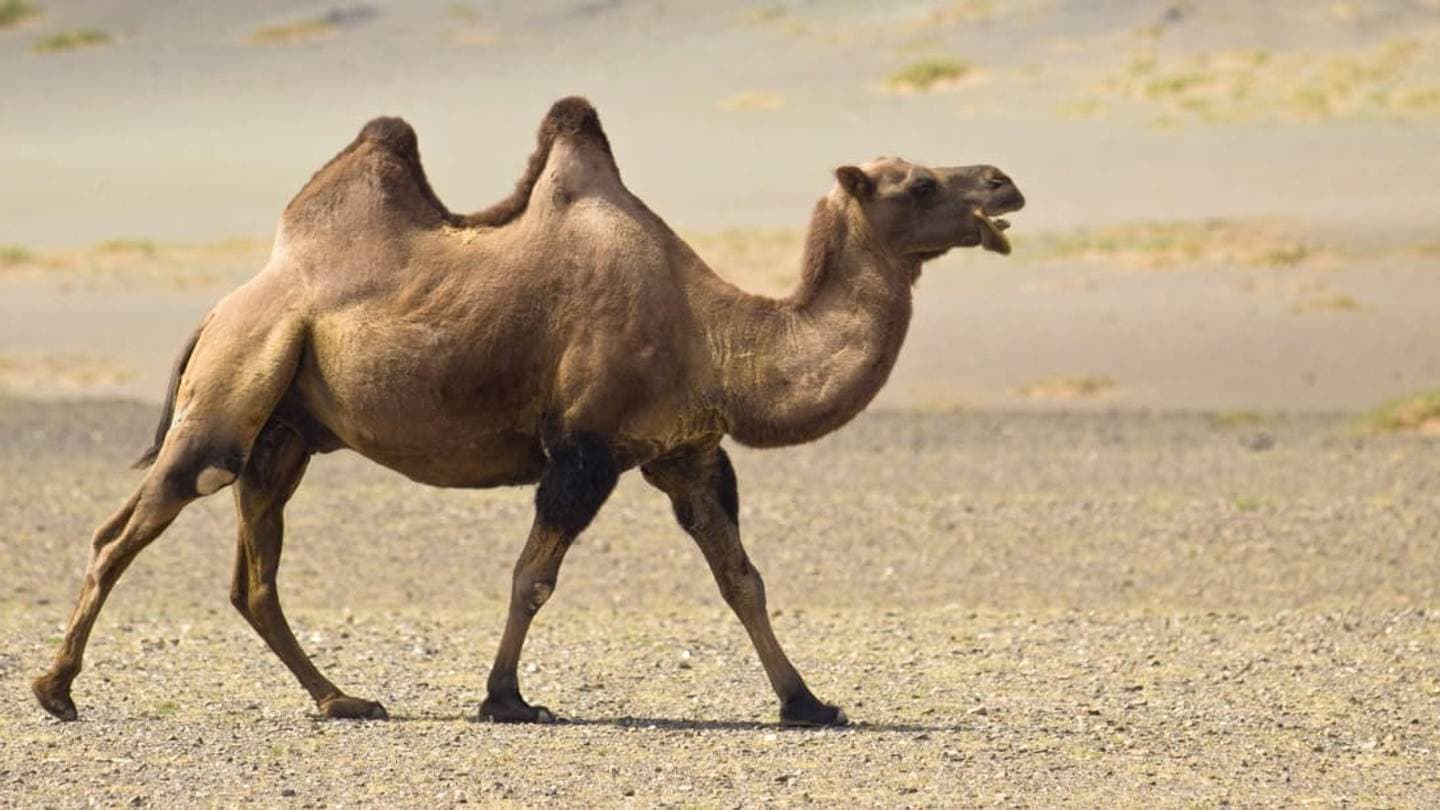
The idea that camels store water in their humps is a widespread misconception, likely stemming from observations of these "ships of the desert" enduring long periods without drinking in arid environments. With their prominent humps and remarkable ability to survive in harsh, dry climates, it's easy to assume a direct link between the two. The visual of a large, seemingly empty hump after a long journey could easily lead people to believe its contents had been used for hydration.
Scientifically, camel humps are primarily reservoirs of fatty tissue, not water. This fat serves as a crucial energy source, allowing camels to survive for extended periods when food is scarce. When a camel metabolizes this fat for energy, a byproduct of this process is metabolic water. However, the humps themselves do not function as direct water storage tanks. In fact, if a camel extensively uses its fat reserves, its humps will become noticeably limp and may even droop, only to firm up again once the camel is able to eat and replenish its fat stores.
People commonly believe this myth because camels are indeed exceptionally well-adapted to conserve water, leading to the logical, though incorrect, conclusion that their humps must be involved in water storage. Camels possess several other remarkable physiological adaptations for desert survival, such as their ability to drink vast amounts of water quickly (up to 30 gallons in 13 minutes), efficient kidneys that minimize water loss, and oval-shaped red blood cells that allow for better water absorption. Furthermore, concentrating fat in their humps helps camels regulate body temperature by minimizing the insulating effect fat would have if distributed across their entire bodies, which is beneficial in hot desert climates.
Related Myths
84
84
84
84
84
84