
77
Learn More
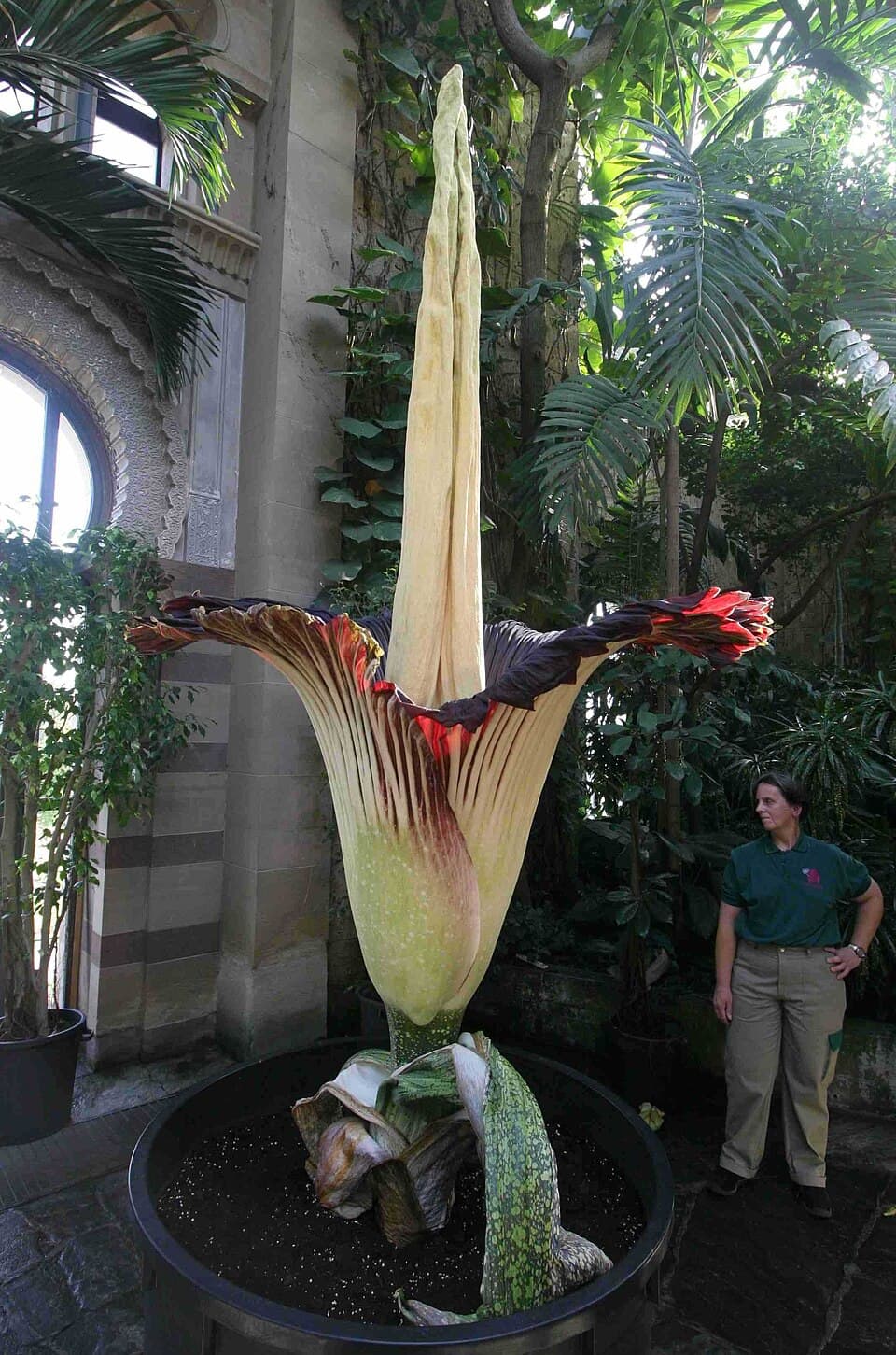
The idea that certain flowers lure insects with the putrid aroma of decaying flesh might sound like something from a horror movie, but it is, in fact, a remarkable truth of the natural world. This fascinating biological adaptation is widely discussed, sometimes leading people to wonder if such an extreme strategy could truly exist. However, the science behind these "carrion flowers" confirms their unusual and effective method of attracting pollinators.
Plants such as the notorious Rafflesia, known for producing the world's largest individual flower, and the colossal corpse flower, Amorphophallus titanum, are prime examples of this phenomenon. These botanical marvels release a cocktail of volatile organic compounds, prominently including various sulfur compounds, amines, and other chemicals. This unique blend precisely mimics the pungent odor of rotting animal matter, a smell that is irresistible to specific insect pollinators, particularly flies and beetles that typically lay their eggs in decaying carcasses.
The reason this peculiar pollination strategy often sparks curiosity and sometimes disbelief stems from the stark contrast between our conventional understanding of pleasant-smelling flowers and the offensive stench of these specialized plants. It's counterintuitive for something so visually appealing, or at least botanically significant, to emit such an unpleasant scent. Yet, this highly evolved tactic is a testament to the incredible diversity of life and the intricate ways organisms adapt to ensure their survival and reproduction.
Related Myths
82
81
80
80
80
79